
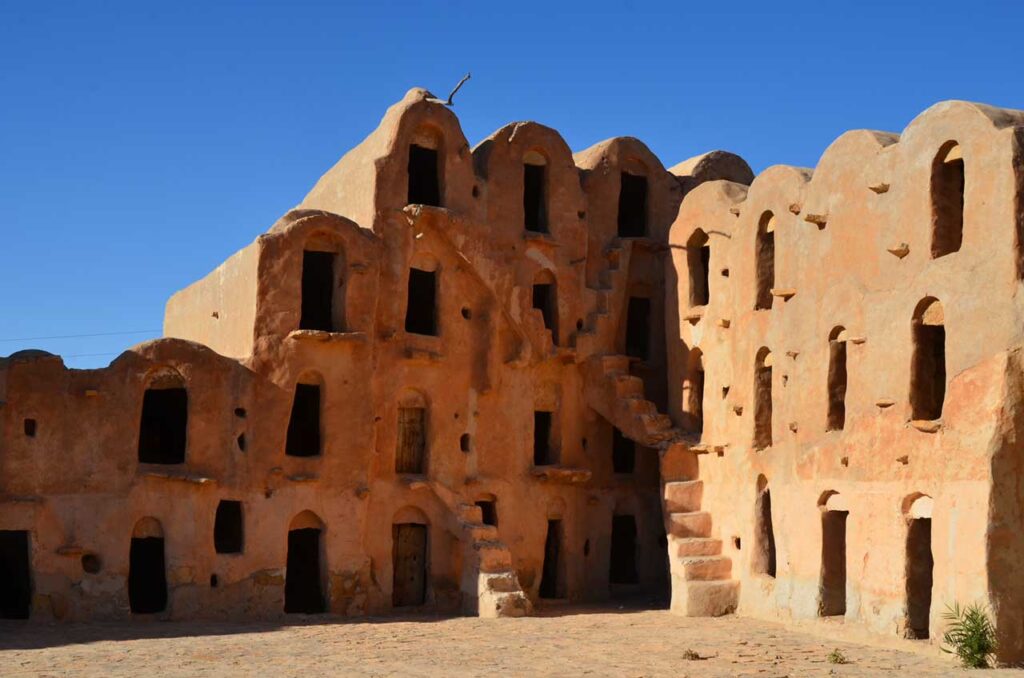
Ksar Ouled Soltane is a striking example of well-preserved Tunisian desert architecture. The late 17th-century fortified Berber granary was built from mudbrick and rammed earth, and features multi-story vaulted storage cells (ghorfas) that are arranged around two interconnected courtyards.
The granary is located about 25 kilometers from Tataouine, and gives visitors an insight into the storage methods used by southern Tunisian communities to securely store grain, dates, oil, and other commodities in ghorfas at traditional ksour.
Last updated: August 2026
Ksar Ouled Soltane: What is it?
The uniquely stacked rows of curved ghorfas on multiple levels at the granary are inter-connected by external mud-plastered staircases that resemble a giant sandcastle.
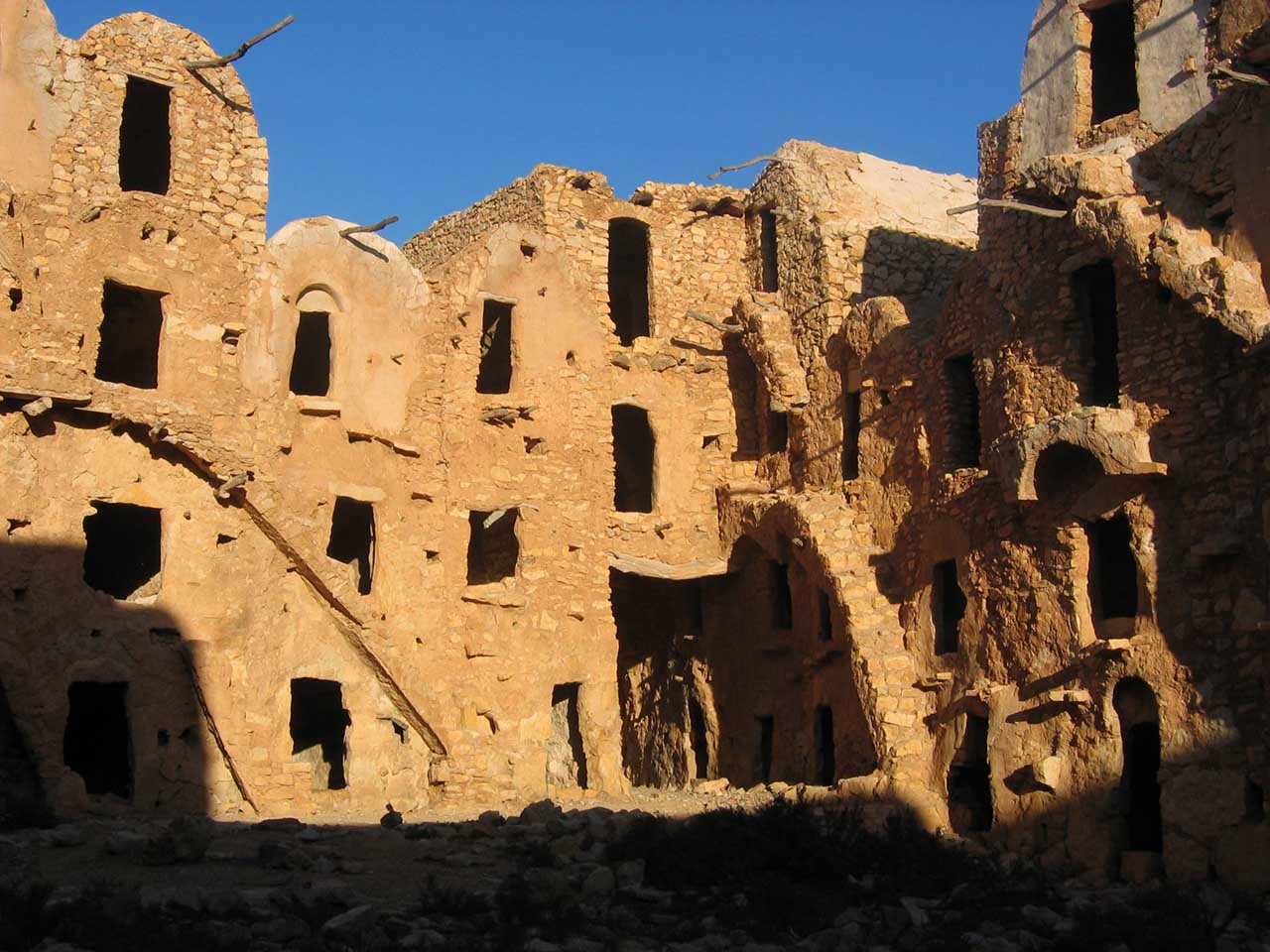
It was constructed southeast of Tataouine by local Berber communities who selected high ground to safeguard its contents from raiders.
The surviving wooden hooks at Ksar Ouled Soltane are historical fixtures used to hoist heavy sacks of grain, oil, and other agricultural goods to the multi-level vaulted storage chambers.
The granary is one of the most visually impressive examples of the ksour found across southeastern Tunisia.
| Location | Southeast of Tataouine, southern Tunisia |
| Oldest section | Late 17th century |
| Courtyards | 2 interconnected courtyards |
| Ghorfas | About 287 surviving storage chambers |
| Height | Up to 4 stories |
| Construction | Mudbrick, clay and rammed earth |
| Original use | Storage of grain, dates, oil and other goods |
| Admission | Free |
| Typical visit | 20 to 45 minutes |
What is a ksar and what is a ghorfa?
A ksar is the singular form of a fortified village in North Africa, featuring defensive walls, collective granaries, and connected houses. Ksour is the plural used for these fortified structures.
A ghorfa is an individual vaulted room or silo used within these granaries to store grain, cereals, olive oil, dates, cheese, and valuables, and is arranged around a central courtyard.
Ksour consist of multi-story vaulted storage chambers (ghorfas) stacked around open-air courtyards.
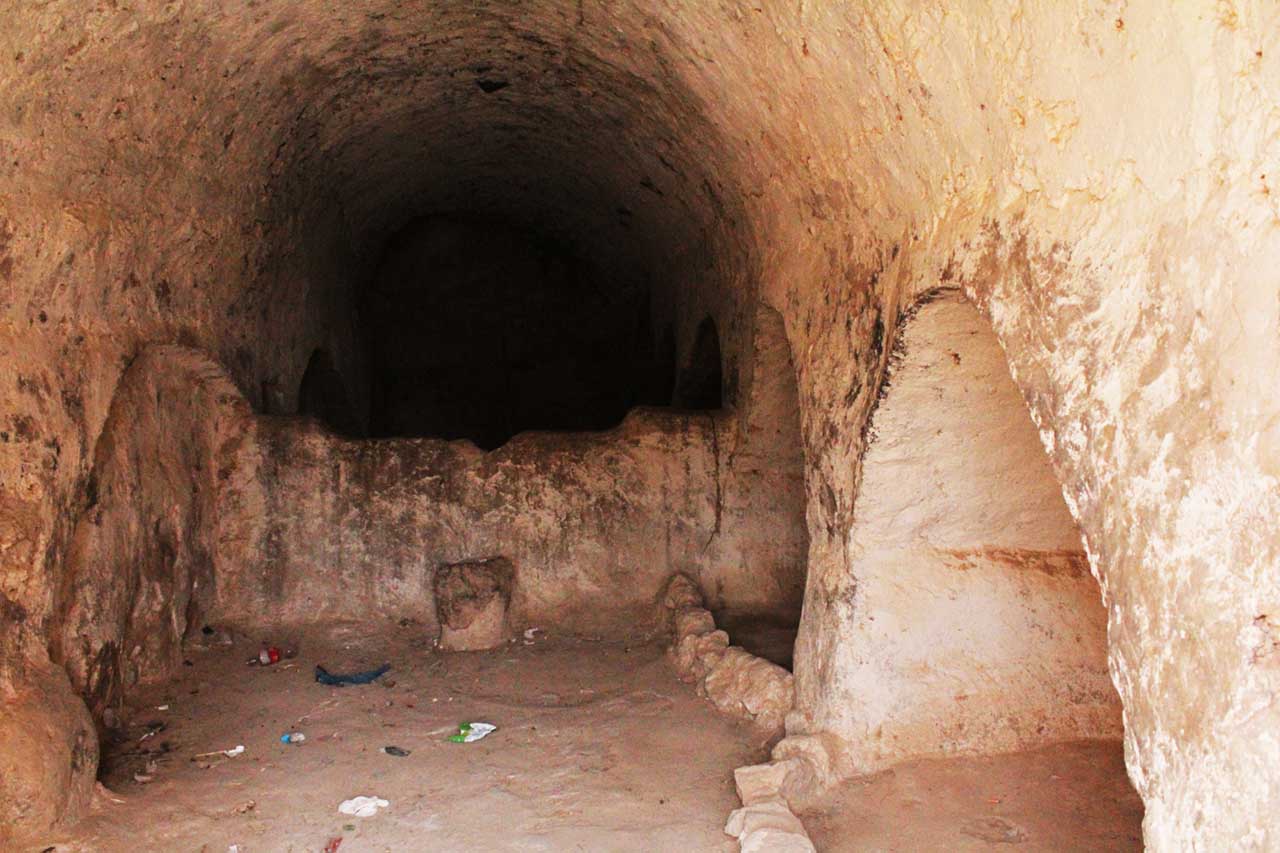
The complexes are enclosed with high defensive walls to safeguard harvests and people from raiders and extreme weather. The courtyards were also used as communal spaces for meetings and exchanges.
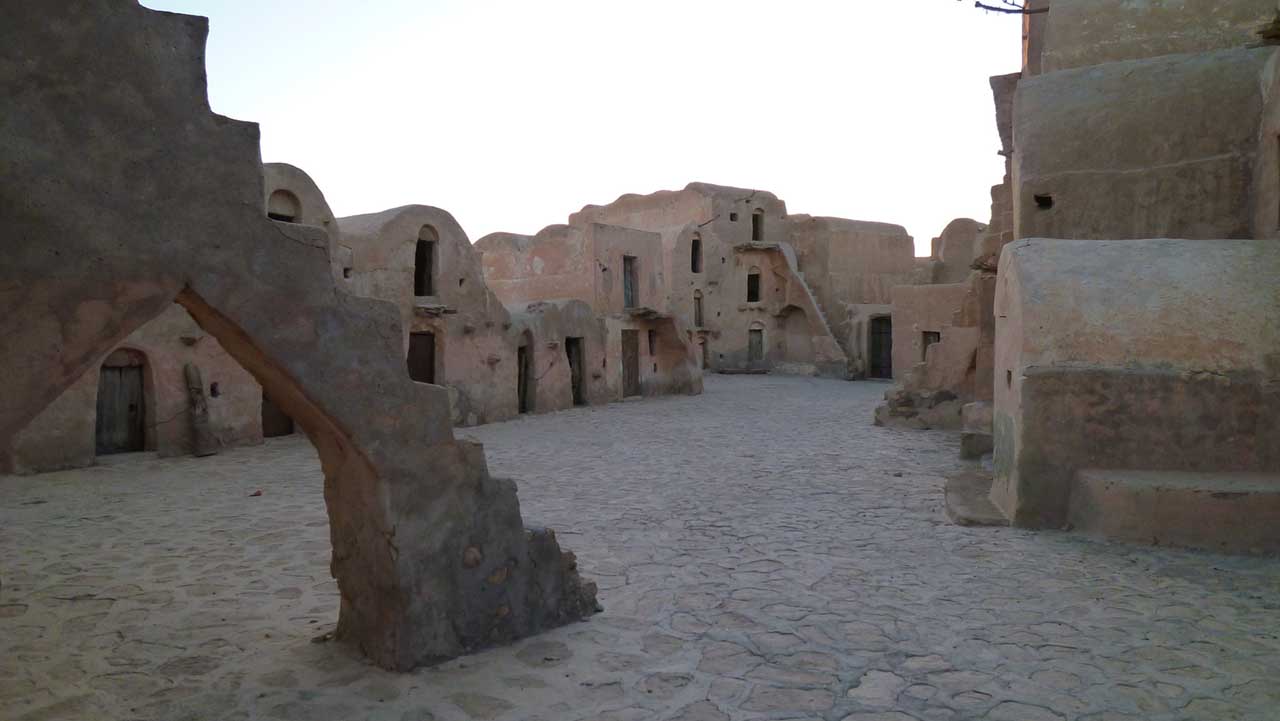
The two courtyards and stacked ghorfas
The iconic architecture of Ksar Ouled Soltane developed around two adjoining courtyards. The older western courtyard is dated to the late 17th century, while the second courtyard developed as the granary expanded.
The complex expanded through two large, interconnected open-air yards that served as communal gathering spaces for the semi-nomadic tribes.
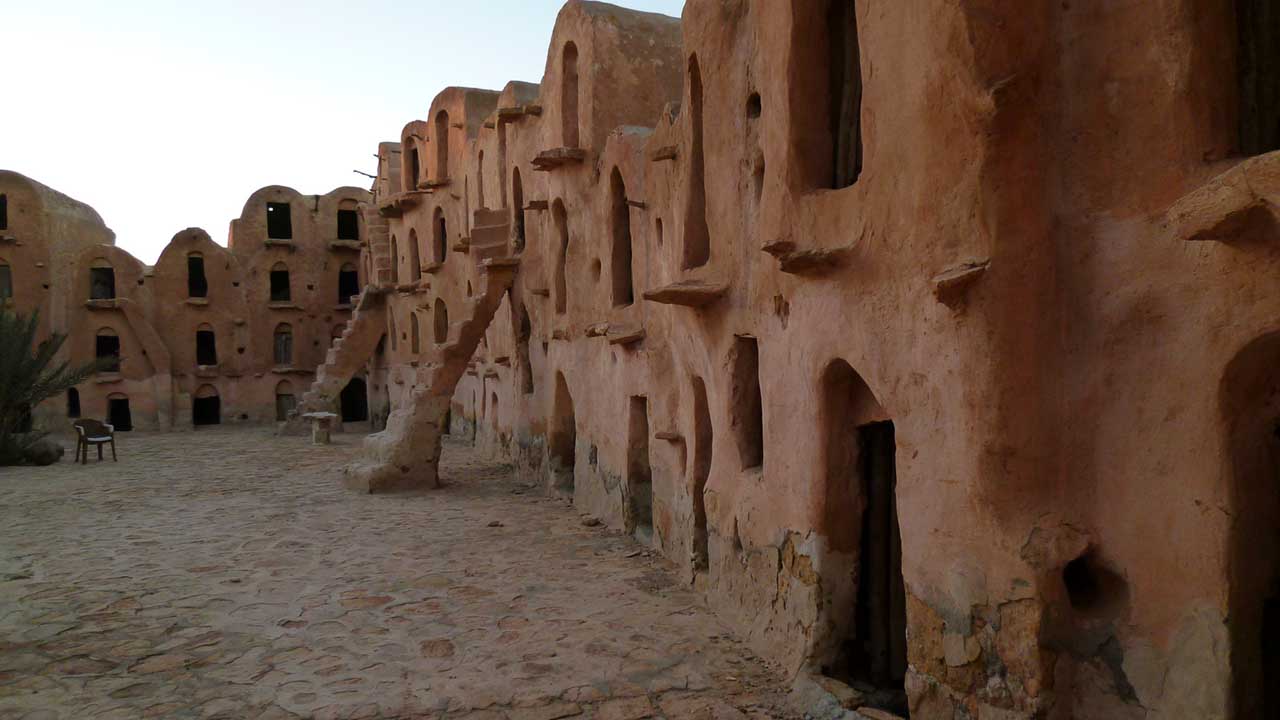
There are around 287 surviving vaulted, mudbrick and clay ghorfas on the site, stacked up to four stories high. Apart from acting as storage chambers for perishables, the ghorfas also protected the contents from raiders, heat, and floods.
Steep, narrow outdoor stairways gave access to the upper-level storage cells and created a distinctive irregular pattern across the façades, much like a sandcastle.
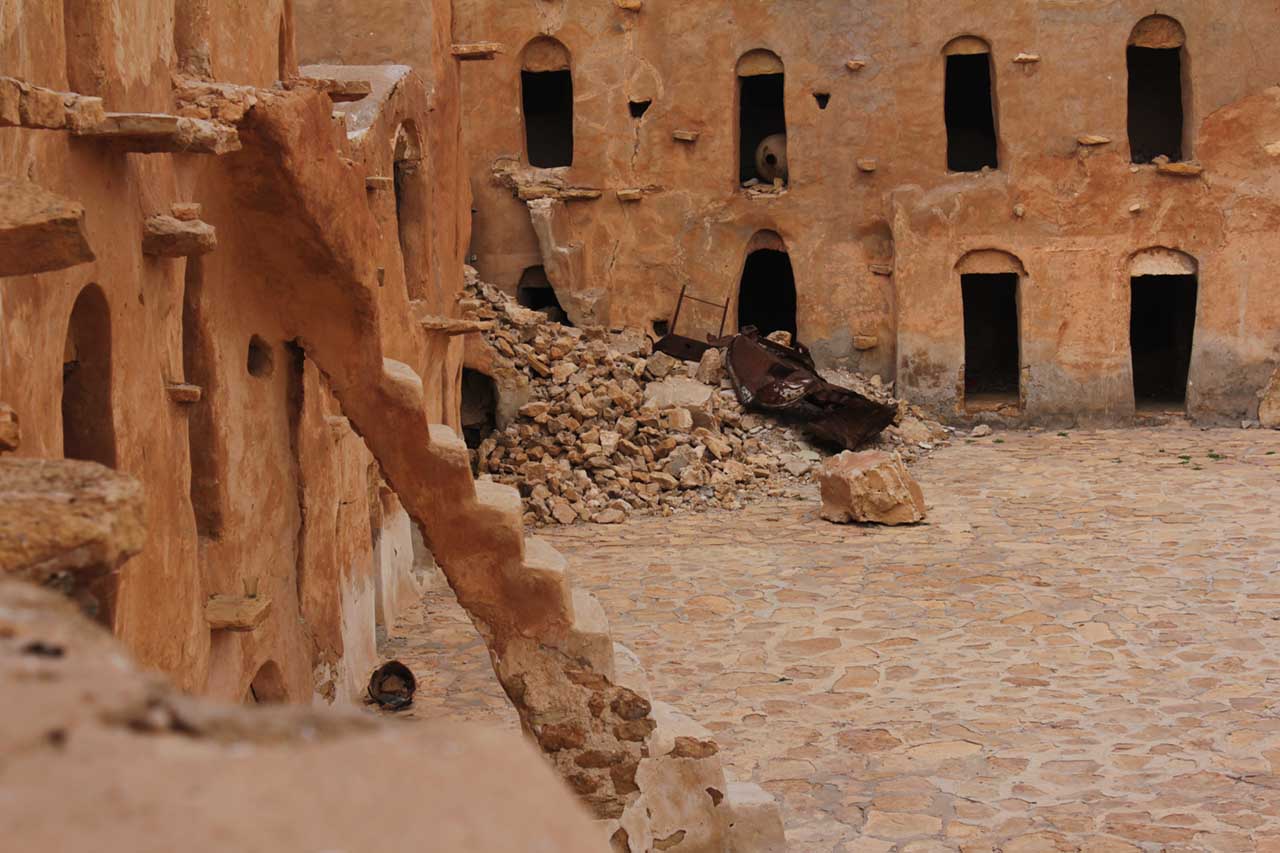
Mounted wooden hooks were used to hoist heavy bags of produce and agricultural goods up to the multi-story storage chambers.
How ghorfas kept food safe
Temperature control, airflow, and strong fortifications to barricade pests and raiders kept food safe inside the vaulted ghorfa chambers.
Daytime heat was absorbed by thick earthen walls, and the ghorfas featured vents for air circulation, the reduction of humidity, and mold prevention in stored grains.
The multi-level stacking rooms were built above ground level, protecting stored harvests from pests. The ghorfas helped communities to access foodstuff for use in times of need.
What to look for when you visit
When you visit Ksar Ouled Soltane, look for the rows of multi-story barrel-vaulted ghorfas. Look for the dramatic, curved outdoor staircases that climb between the different levels of the storage vaults.
Explore the main outer courtyard and the inner courtyard, connected by a narrow arched passageway.
Check out the small community art galleries and workshops set up inside some of the lower-level ghorfas, where local artists sell small paintings and crafts.
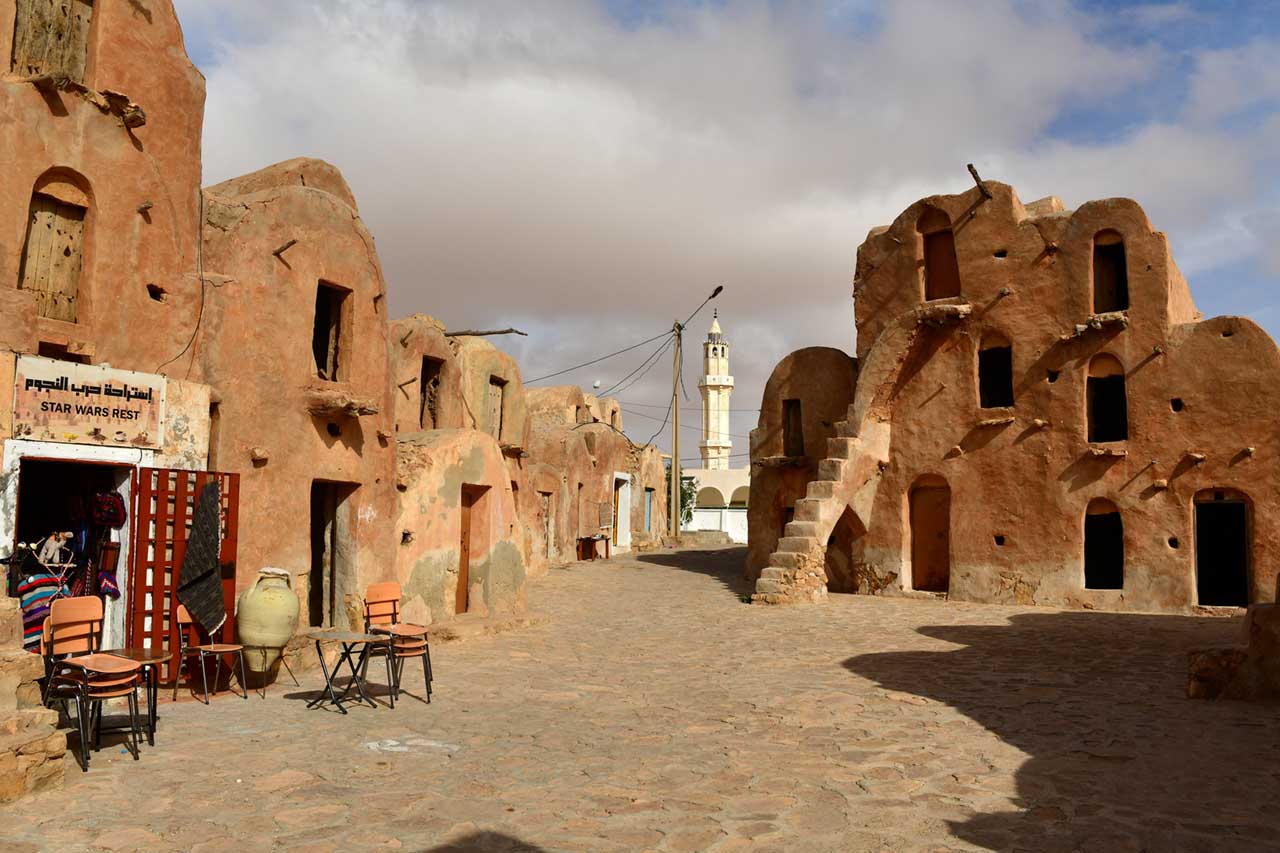
Examine how the wooden beams and hooks were used to hoist supplies to the upper-level storage chambers.
The layout of the ksar centered on defense. Its hilltop location made it difficult to access, while blind exterior walls and a design that controlled access to the courtyards added a further dimension to its defense layout.
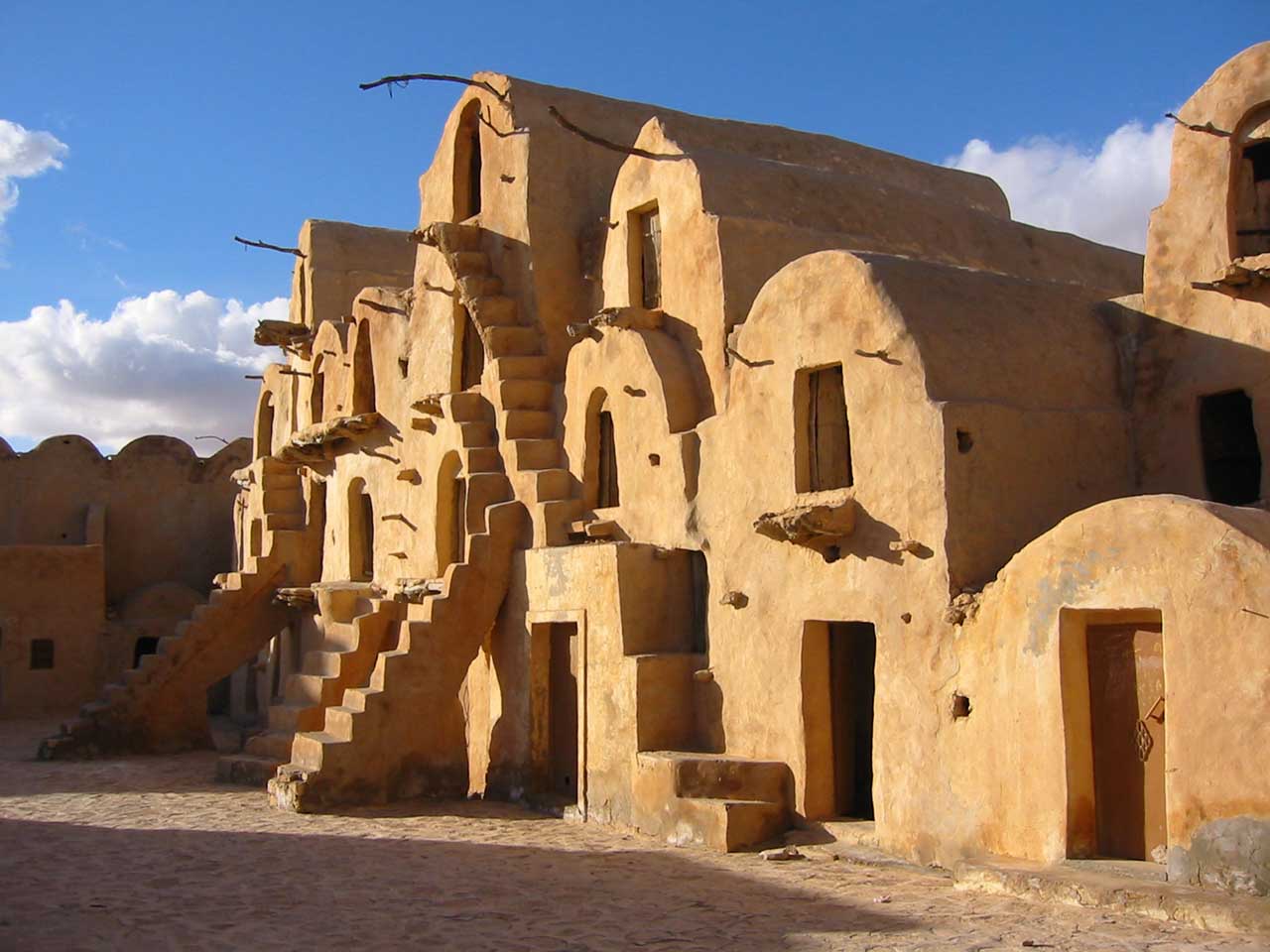
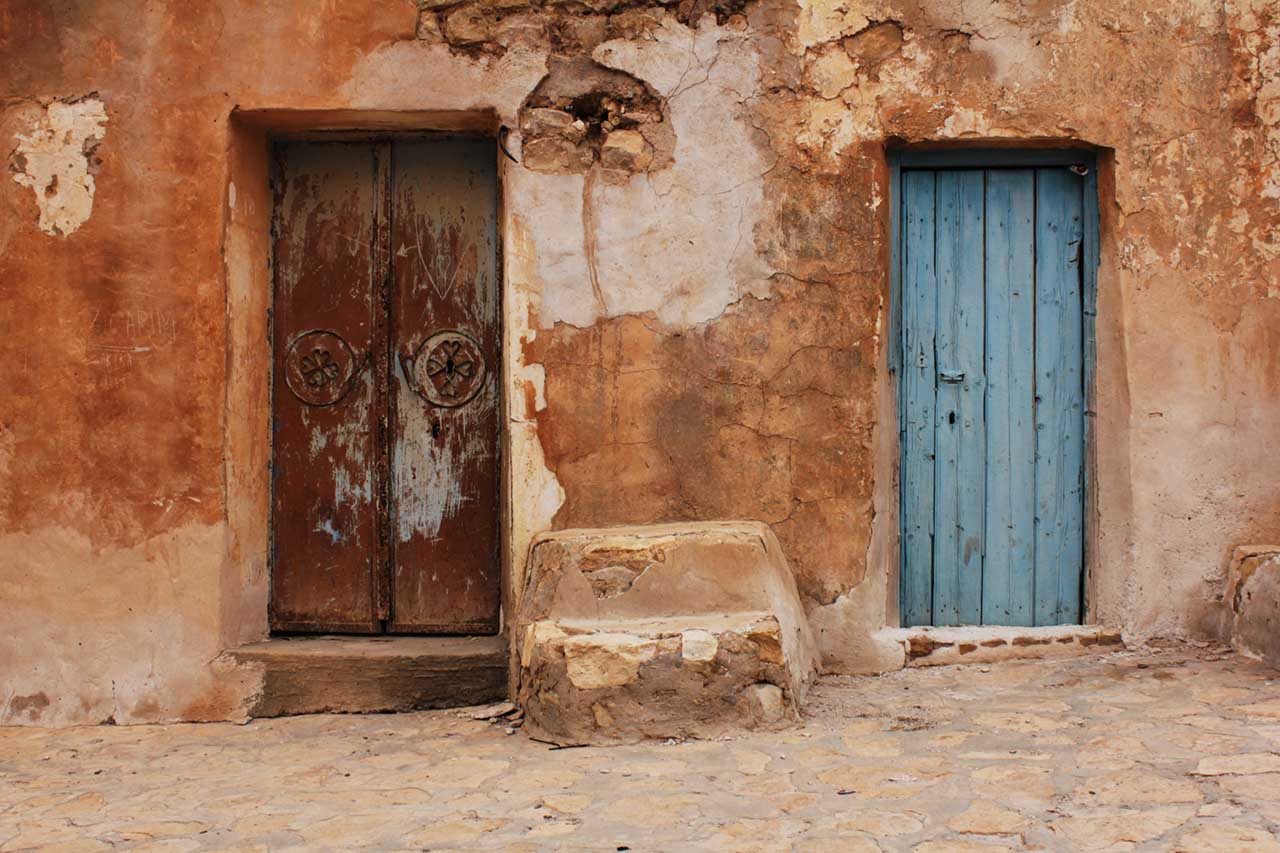
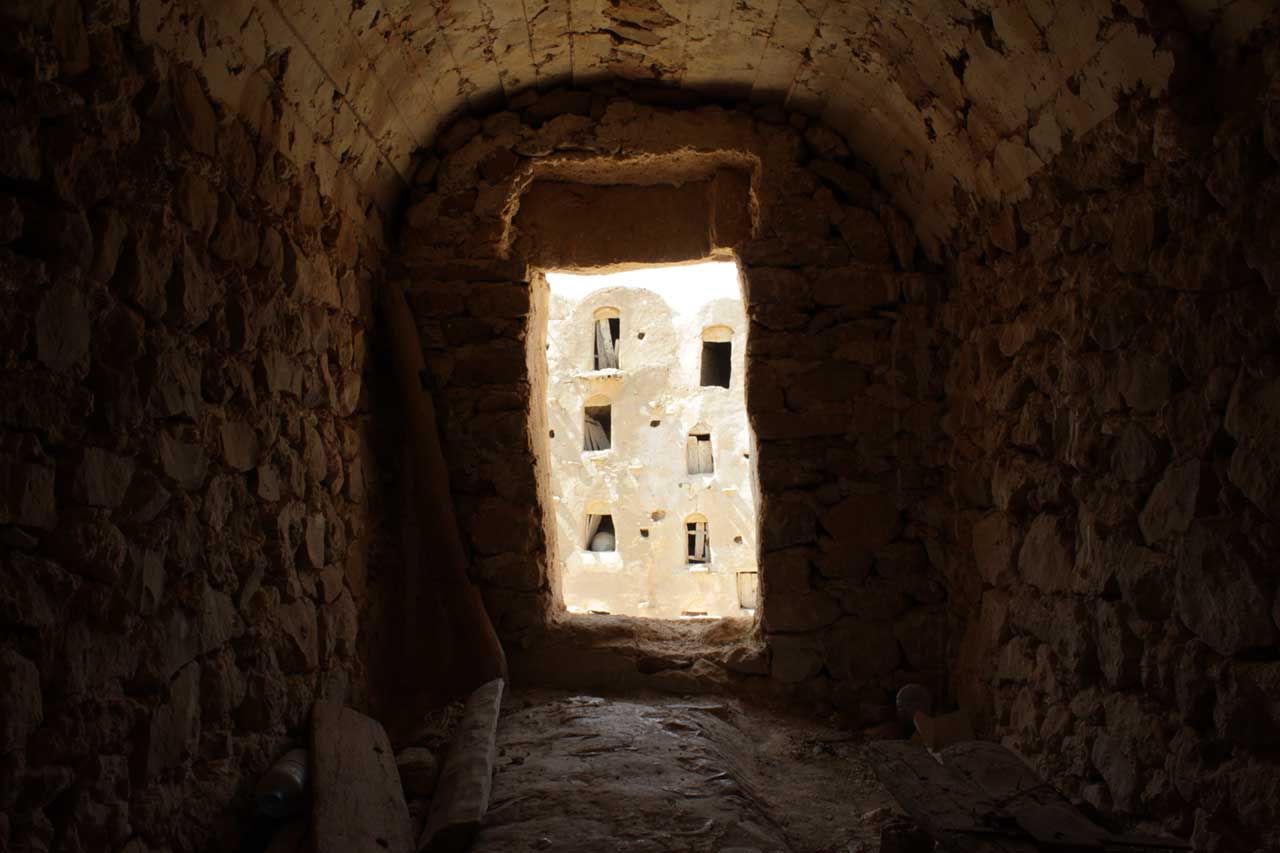
Raiding parties were thwarted by the restricted entry points, the vertically stacked ghorfas, and difficult-to-navigate narrow interior pathways.
The core defensive nucleus was the western courtyard, while the eastern extension added in the 19th century increased the granary’s storage capacity.
Ksar Ouled Soltane and Star Wars: was it really a filming location?
Production teams scouted the ksar as a film location for Star Wars Episode 1: the Phantom Menace in 1995-96. However, whether Ksar Ouled Soltane was used as a film location for Star Wars remains a subject of debate. Ksar Ouled Soltane is said to have been scouted but not used in the finished film.
It is said that the actual location used for the Mos Espa slave quarters scene was the nearby Ksar Hadada, also in the Tataouine region.
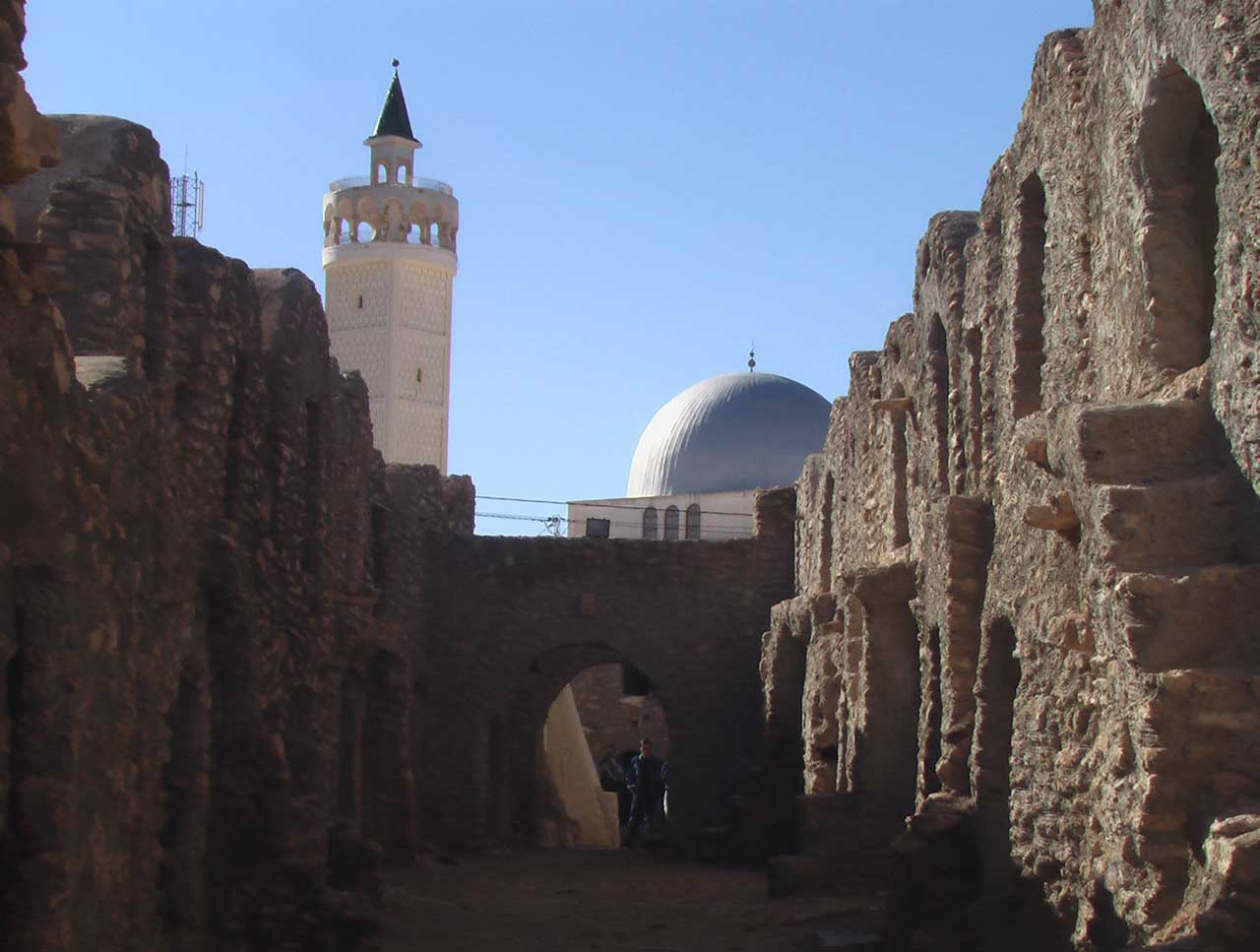
No matter what, Ksar Ouled Soltane is marketed on social media and tours as the home of Anakin Skywalker. Undoubtedly, the architecture around Tataouine strongly influenced the visual identity and tourism mythology of Tatooine in Star Wars.
Restoration and UNESCO heritage status
Ksar Ouled Soltane has undergone several restoration campaigns, most notably in the 1990s and subsequent international support efforts to stabilize its multi-story ghorfas (vaulted cellars).
In 2025, the Italian Agency for Development Cooperation provided recent international support targeting the structural condition of the courtyards and perimeter ghorfas.
Ksar Ouled Soltane and the wider troglodyte settlements and ksour of southern Tunisia were officially added to Tunisia’s UNESCO World Heritage Tentative List on January 10, 2020.
UNESCO highlights the ksour as examples of vernacular architecture adapted to a difficult environment and linked to collective Amazigh community organization.
How to get to Ksar Ouled Soltane from Tataouine
You can travel from Tataouine to Ksar Ouled Soltane in three ways: by taxi, by self-driving, or through an organized tour. Either way, the 22-kilometer trip takes 26 minutes, but self-drive is by far the cheapest option. The trip does not require a 4X4 vehicle.
What to See Around
Tataouine
Around Tataouine
Choose a destination
Select a numbered marker or a place in the map key.
Visiting Ksar Ouled Soltane from Djerba
From Djerba, the 150 km trip to Ksar Ouled Soltane takes 2.5 to 3 hours in a rental car, private taxi, or guided day tour. Tours often include stops at Tataouine and Chenini and visits to one or more ksour.
It makes more sense to use the opportunity as a full-day southern Tunisia excursion than just a visit to Ksar Ouled Soltane.
Staying in Djerba? This extensive 11-hour tour covers both the Tataouine and Matmata regions in one day, visiting Ksar Ouled Soltane, Chenini, Ksar Haddada and Sidi Driss, with hotel pickup, a guide and lunch included.
How long to spend at Ksar Ouled Soltane
A visit to Ksar Ouled Soltane takes 20 to 45 minutes, enough time to walk through the two main courtyards, climb the stairs to the unique multi-story vaulted ghorfas (granary chambers), and photograph the historic mudbrick architecture.
Keen photographers should visit in the early morning or late afternoon when the lighting is softer, and the strong midday heat can be avoided.
There is free admission for all visitors, but budget for transportation, guides, and local shopping.
What to combine with Ksar Ouled Soltane
A visit to Ksar Ouled Soltane is best combined with other southern Tunisian highlights such as the cliff-side Berber troglodyte Amazigh village and mosque at Chenini, Ksar Haddada, which is another ksar with a confirmed Star Wars connection, the abandoned and partly inhabited mountain village and ksar at Douiret, and the town of Tataouine and renowned market.
Want to focus on the Tataouine region? This popular, highly rated 4×4 day tour visits Ksar Ouled Soltane, Tataouine, Chenini and Ksar Haddada, with time to explore the surrounding desert landscapes.
Conclusion
Ksar Ouled Soltane is well worth a visit. This immaculately preserved late 17th-century Berber fortified granary features multi-story vaulted mud-brick cells (ghorfas) arranged around two courtyards.
Entry is free, and visitors can enjoy an iconic backdrop often associated with Star Wars. The ksar offers a striking look at ancient desert architecture.
A visit works best when combined with a wider Tataouine route of Chenini and other ksour.
Compare hotels and guesthouses in Tataouine, Djerba, and across southern Tunisia to find the best stay for your trip.


