
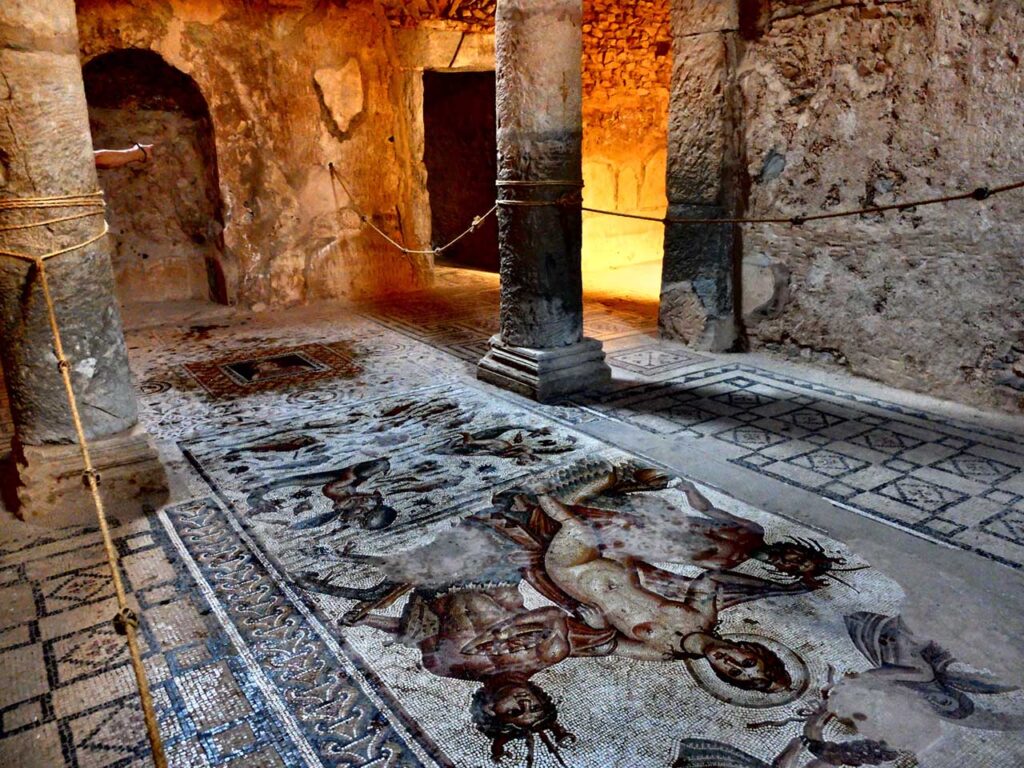
The scorching North African summer heat drove several elite Roman families from Bulla Regia, Tunisia, underground, where unique semi-subterranean villas were built to provide a cool, shaded refuge.
The clever design created living and dining spaces several meters below the surface. The subterranean setting also helped protect many intricate floor mosaics, which remain remarkably intact and retain their vivid colors.
The key underground villas to visit include the House of Amphitrite, the House of the Hunt, the House of Fishing, and the House of Treasure.
Bulla Regia is a short trip from Jendouba, with the site located a mere 7 km north of the city.
Last updated: July 2026
What is Bulla Regia?
Bulla Regia is a major archaeological site in northwestern Tunisia, near Jendouba.
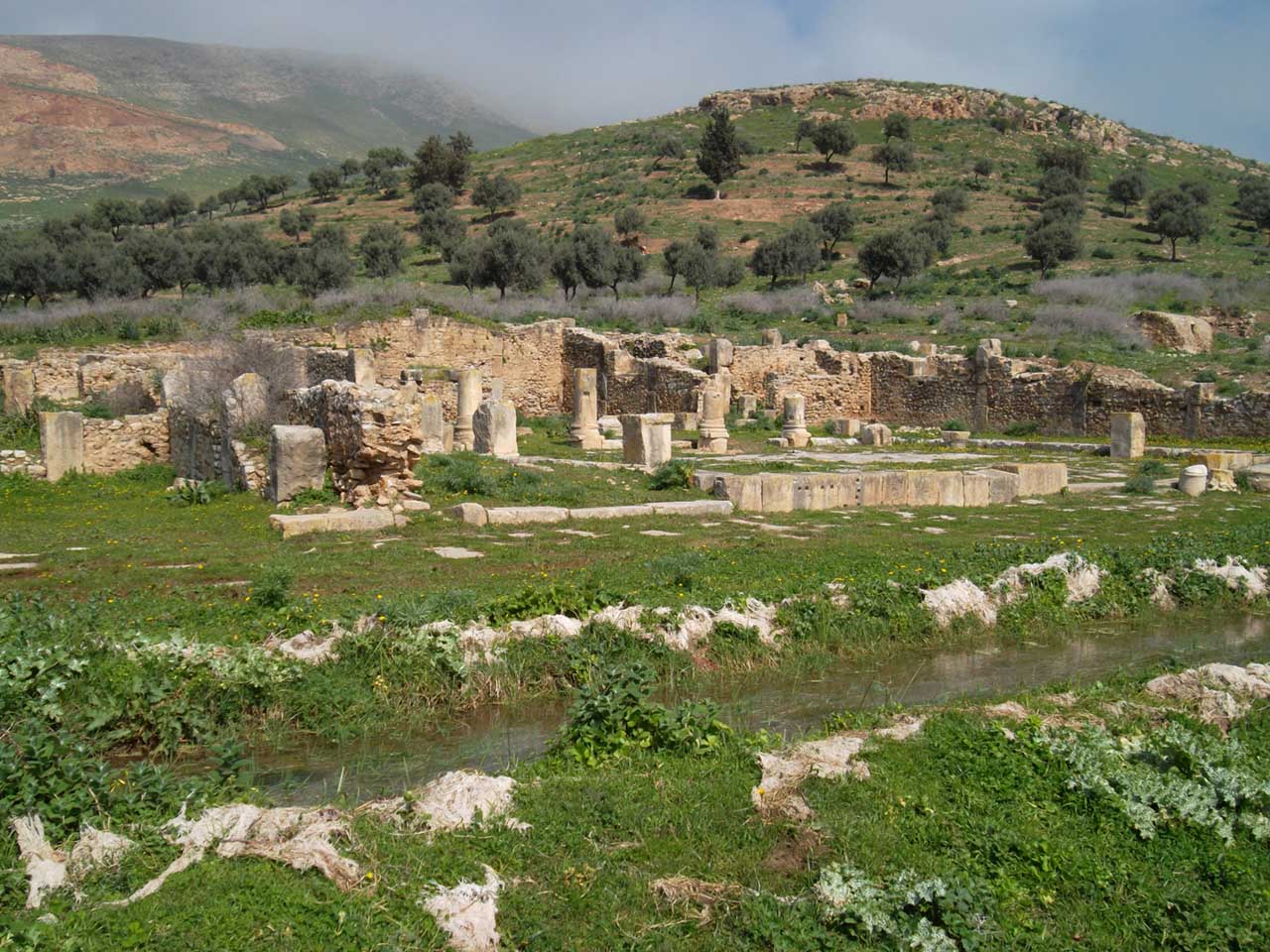
Originally a Numidian and Punic town, it later became a royal residence and flourishing Roman city during the 2nd and 3rd centuries AD.
The site of the ancient city of Bulla Regia includes unique semi-subterranean Roman villas, a well-preserved theater, and monumental public civic ruins.
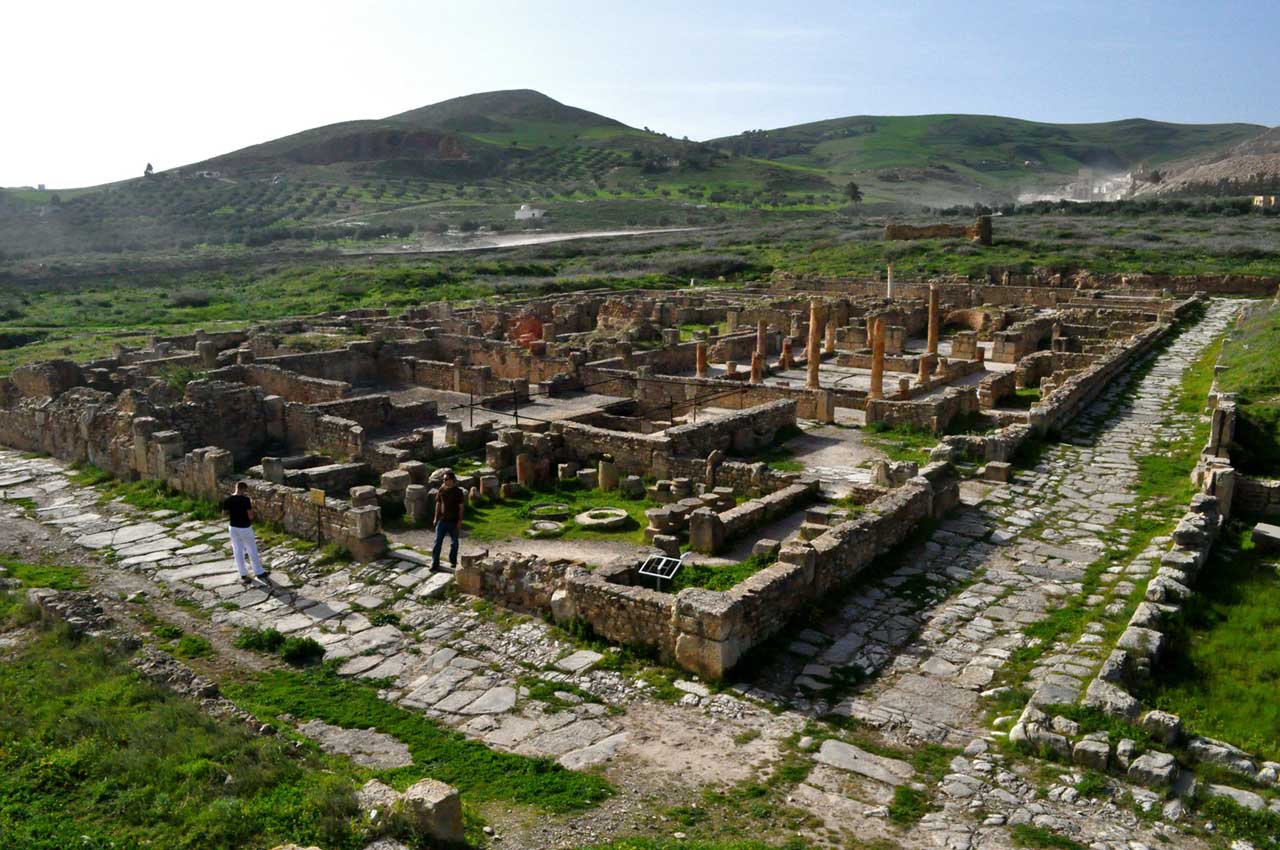
Why Bulla Regia’s underground villas are so unusual
Bulla Regia’s underground villas feature a rare two-story design. Wealthy residents built complete subterranean living quarters beneath ground level to escape the fierce North African summer heat.
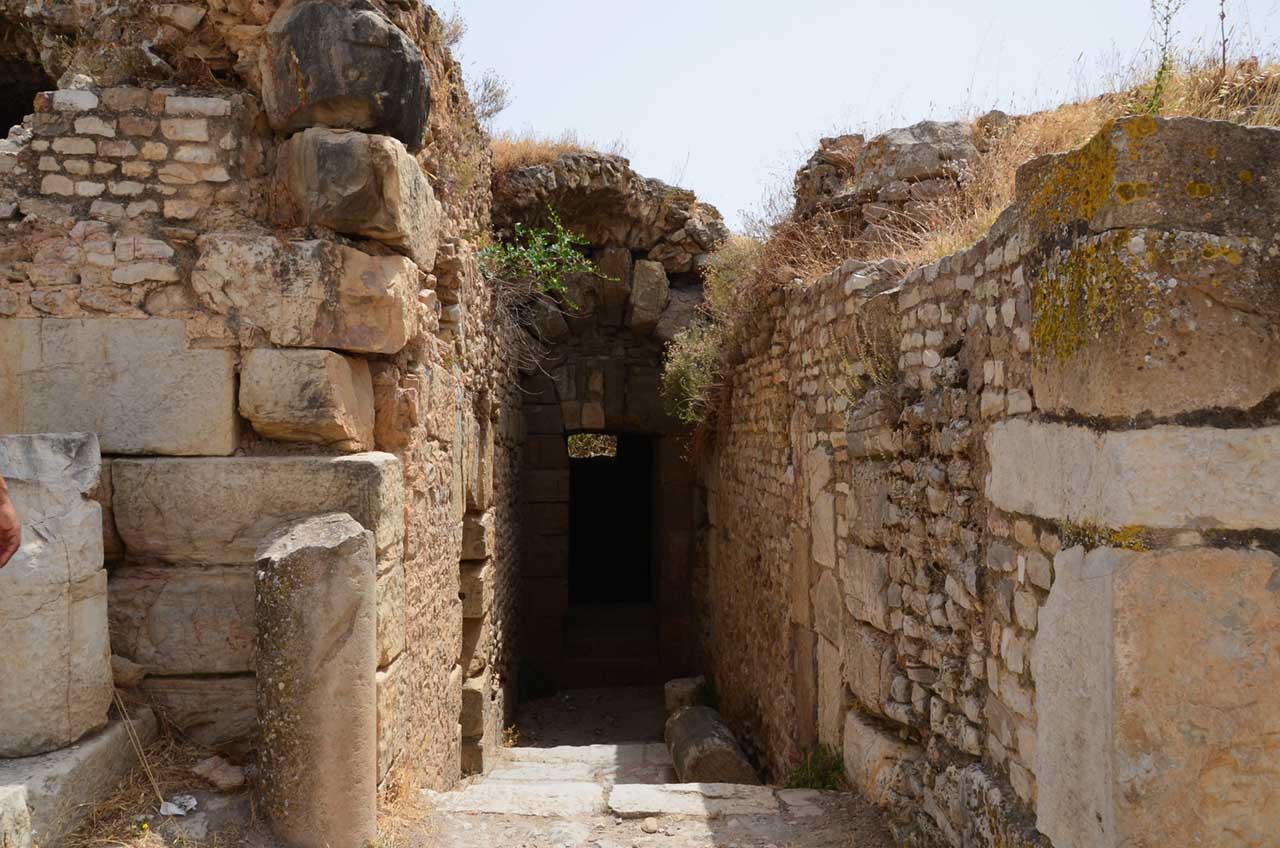
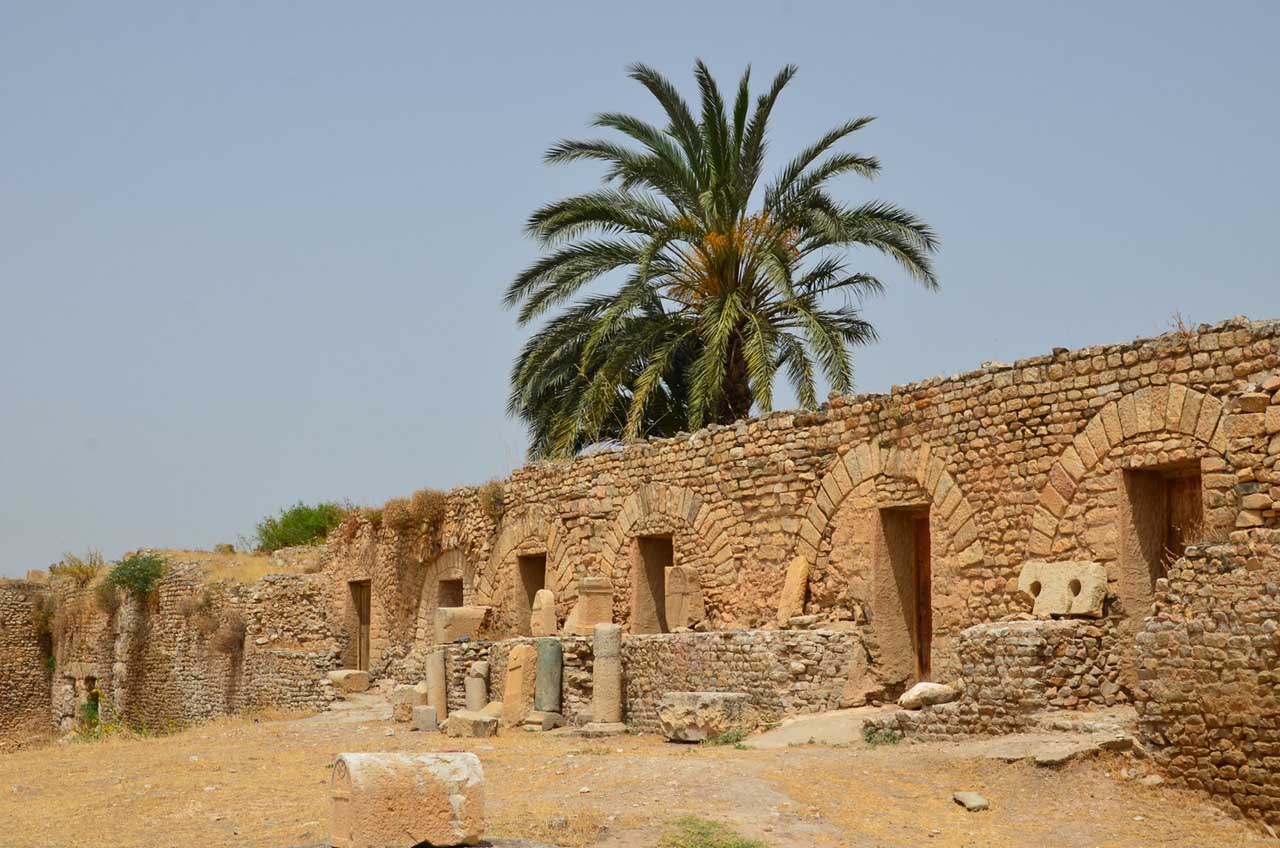
One of the most striking experiences at Bulla Regia is descending a flight of stone steps into rooms hidden beneath the surface. Instead of dark, cramped spaces, visitors find airy living areas arranged around open courtyards that allowed sunlight and fresh air to reach the lower level.
Elegant stone columns supported the upper floors while creating graceful walkways below, and many of the rooms still display remarkably preserved mosaic floors, their colorful patterns and scenes offering a vivid glimpse into everyday Roman life.
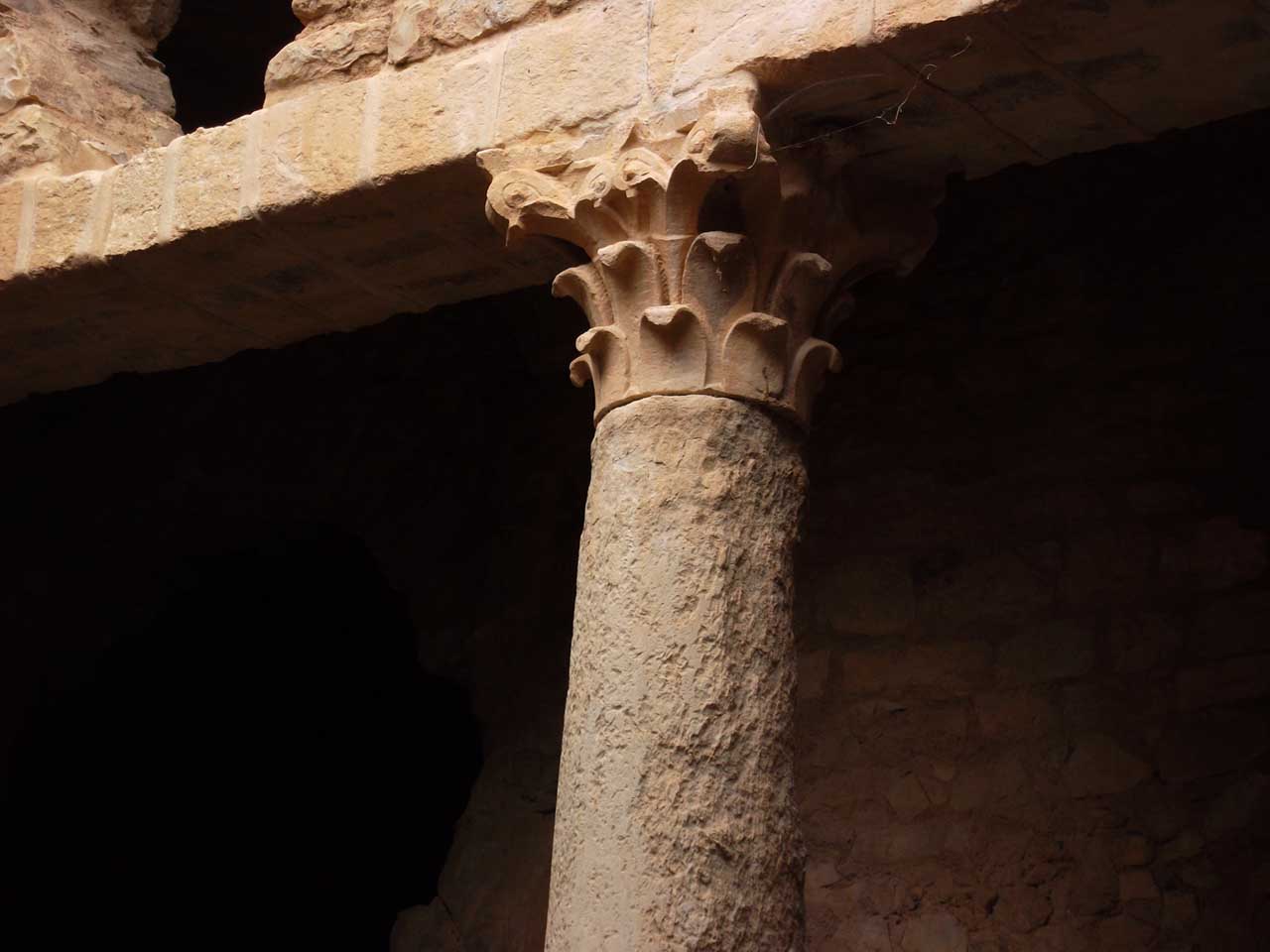
The House of the Hunt
The House of the Hunt is a prime example of underground Roman architecture. It features a well-preserved subterranean level with a columned peristyle courtyard, light shafts, and well-preserved mosaic floors still in their original positions.
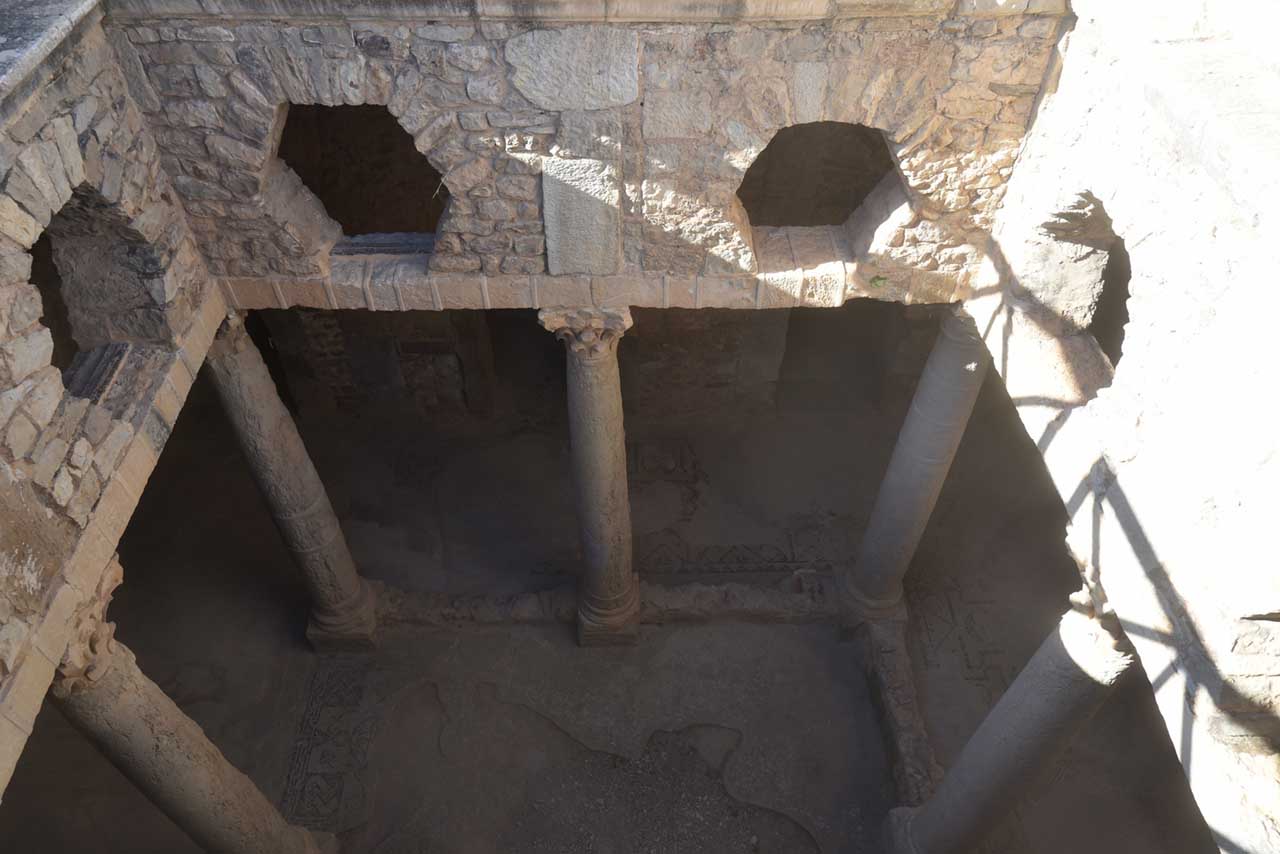
The House of the Hunt photographs beautifully thanks to its striking sense of depth. Looking down into the underground rooms, the stone columns and open courtyard create the feeling of entering a Roman home rather than simply observing ancient ruins. Combined with its well-preserved mosaic floors, the house offers some of the most atmospheric views at Bulla Regia.
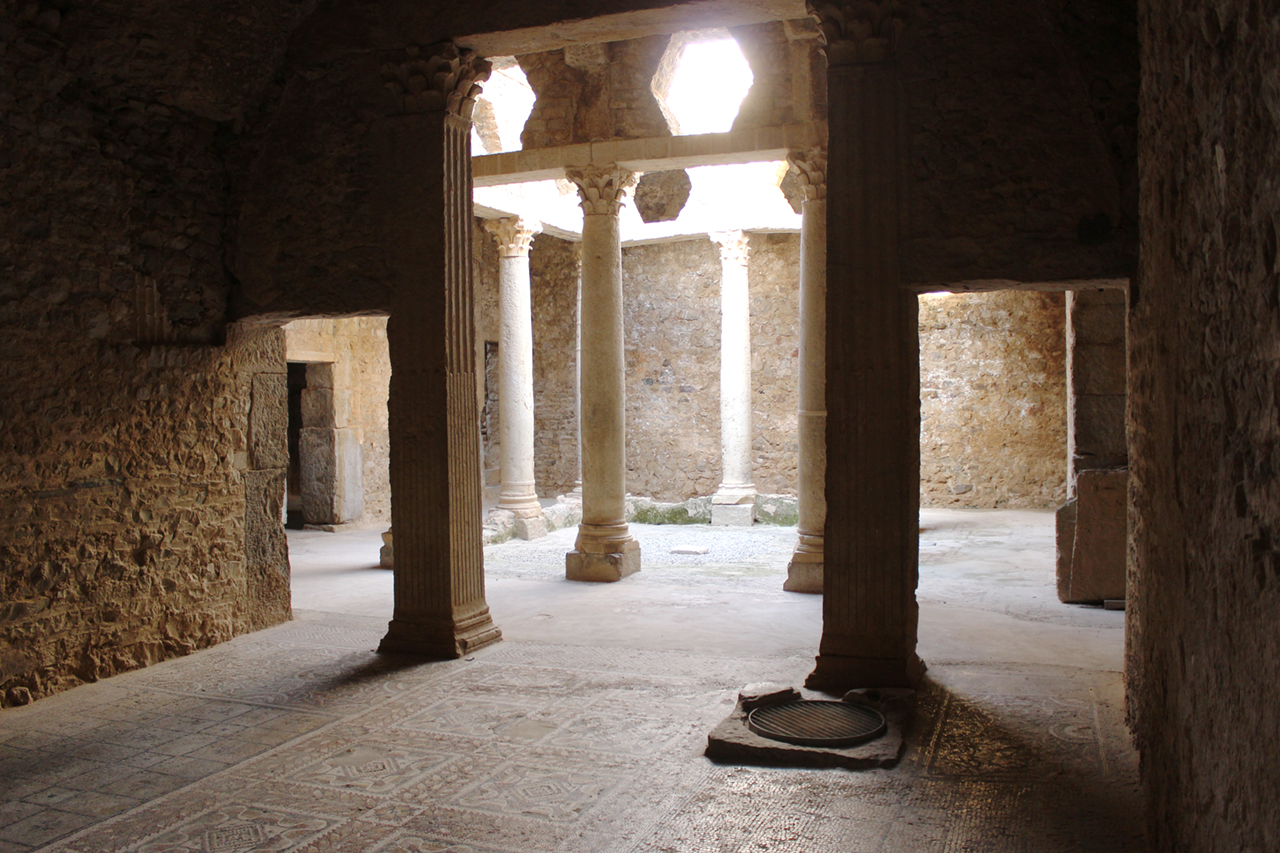
The House of the Hunt’s well-preserved mosaic floor depicts a hunting scene and, although the original Roman owners did not give the house this name, archaeologists often identify ancient homes by their most distinctive artwork.
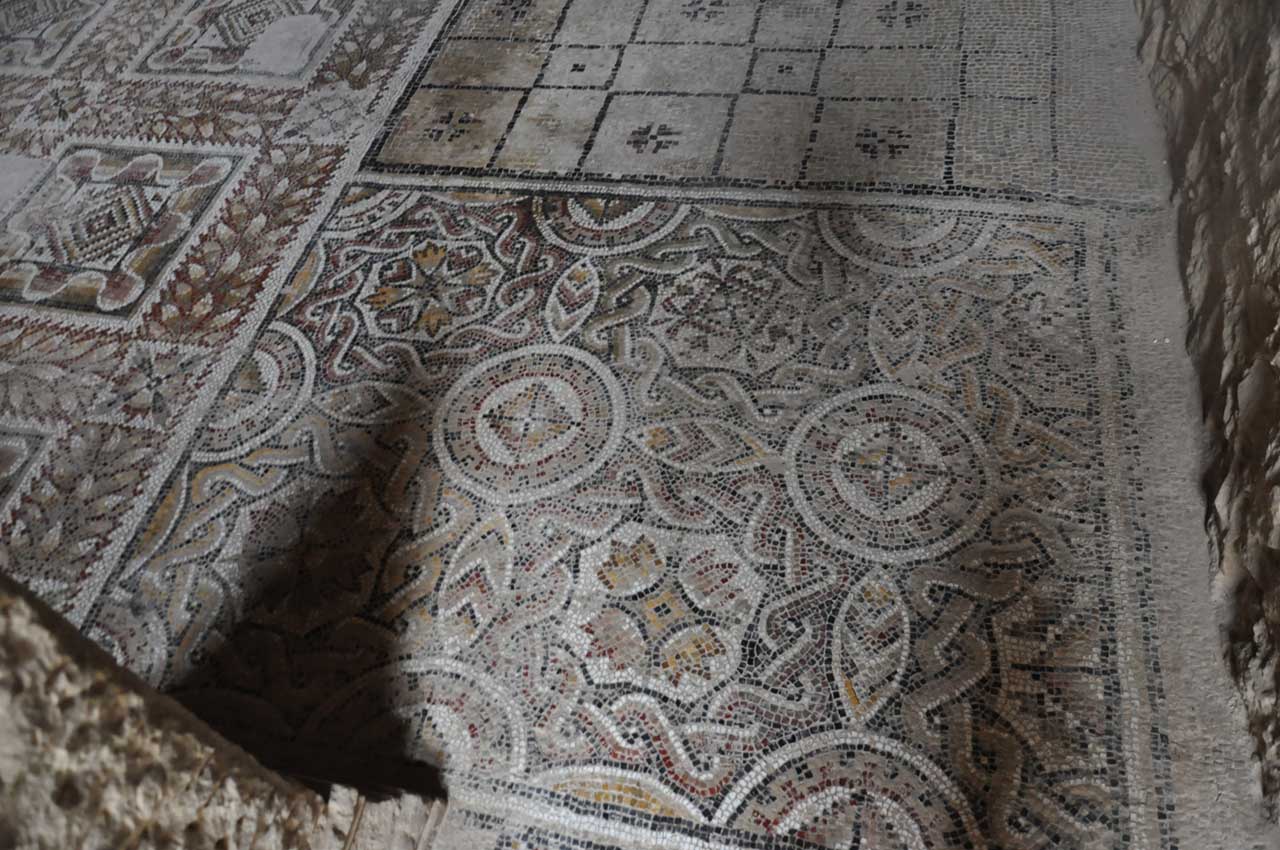
The mosaic also reflects the Roman taste for detailed decorative floors that celebrated themes such as hunting, nature, and daily life.
The House of Amphitrite / Venus mosaic
One of the highlights of Bulla Regia is the famous Venus mosaic, a moment that encourages visitors to stop and look down rather than up.
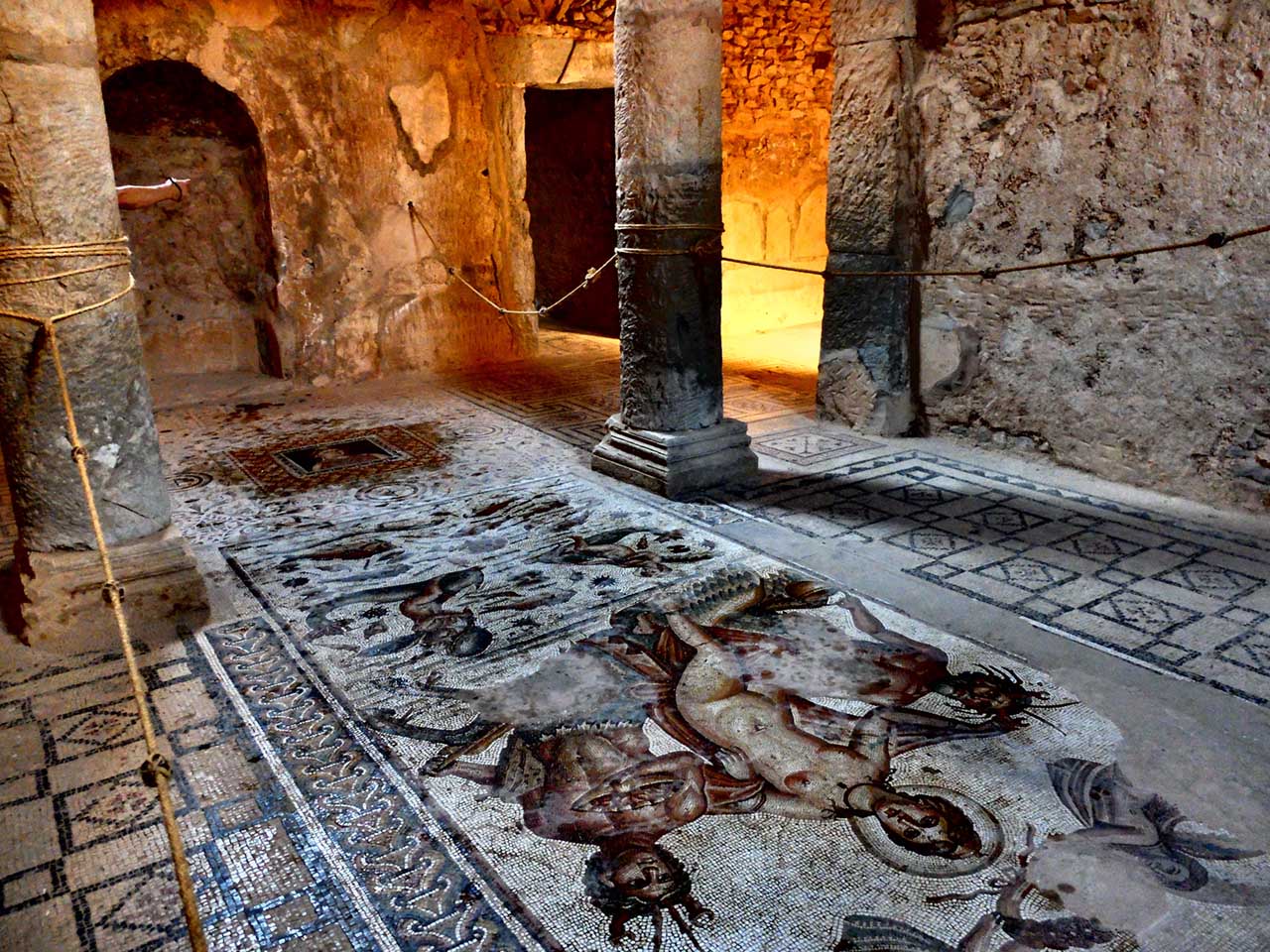
The beautifully preserved floor mosaic shows the goddess Venus being carried across the sea by ichthyocentaurs, or fish-tailed centaurs. Despite the house’s traditional name, the central figure is generally identified as Venus rather than Amphitrite.
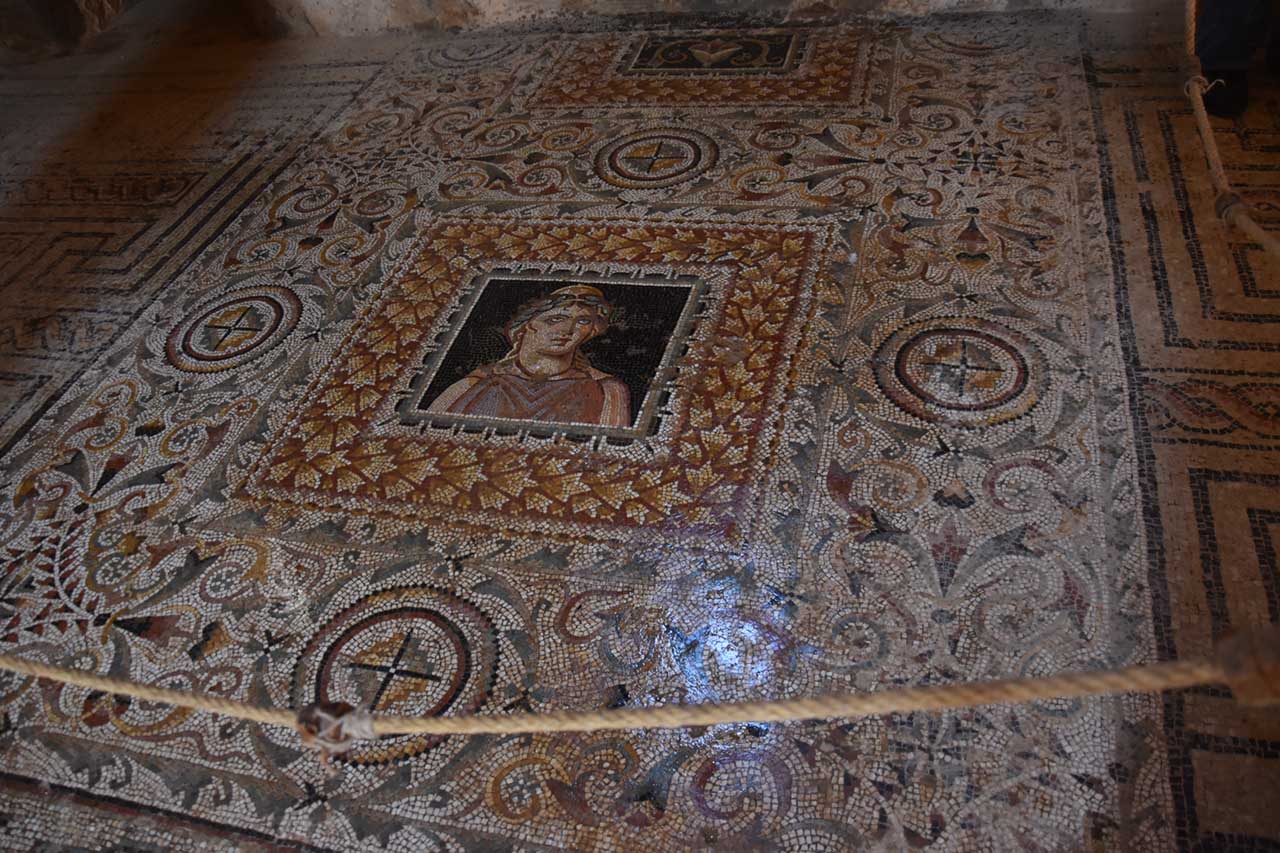
Even more remarkable, the artwork remains in situ, exactly where it was created nearly 2,000 years ago. Seeing the mosaic in its original setting, rather than behind glass in a museum, makes it much easier to imagine these rooms as part of a real Roman home.
Other houses to look for at Bulla Regia
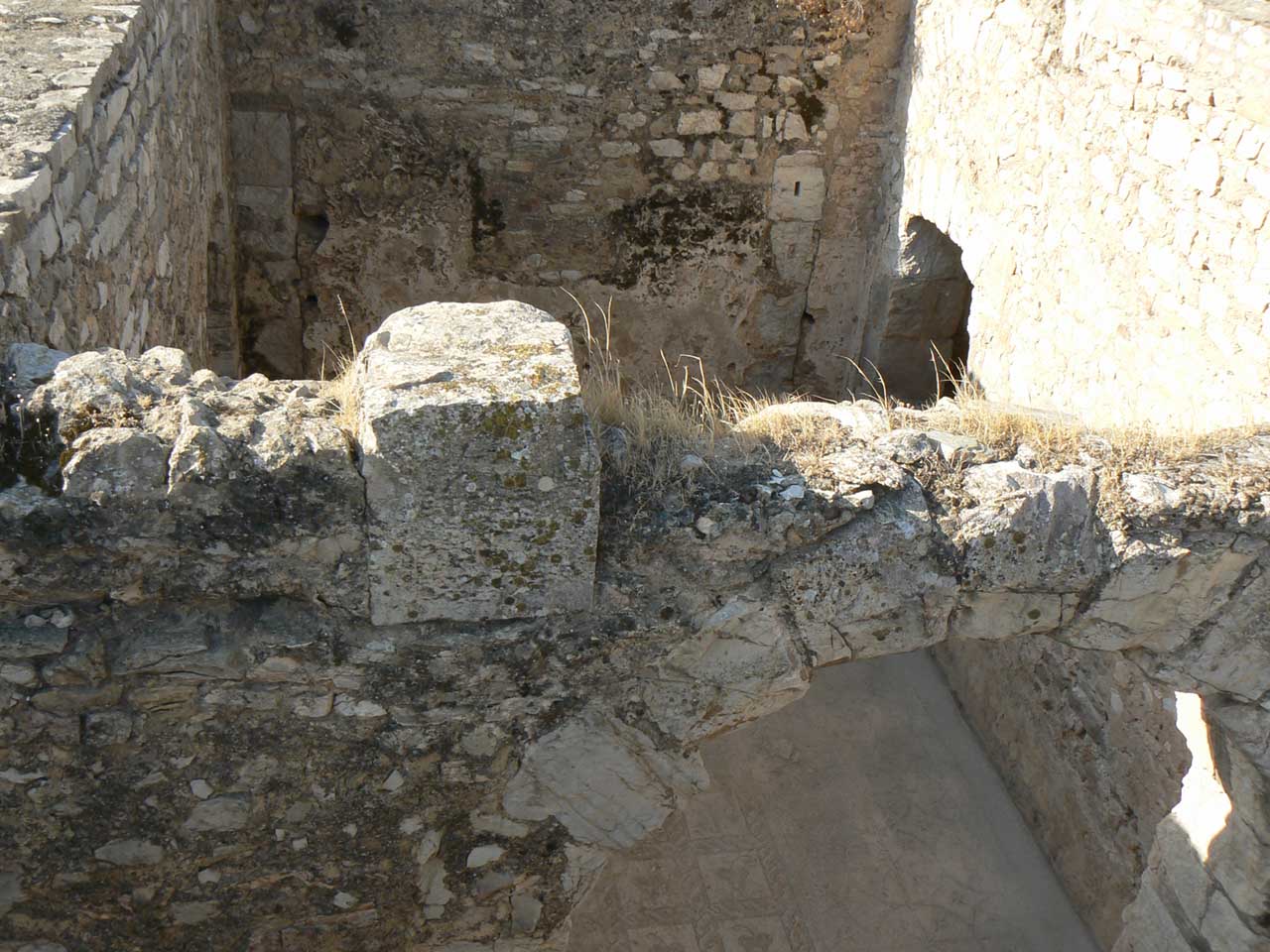
As you explore Bulla Regia, you’ll come across several other Roman houses identified on maps and information panels. These include the Venus House, Hunt House, New Hunt House, Fishing House, Mosaics House, and Treasure House.
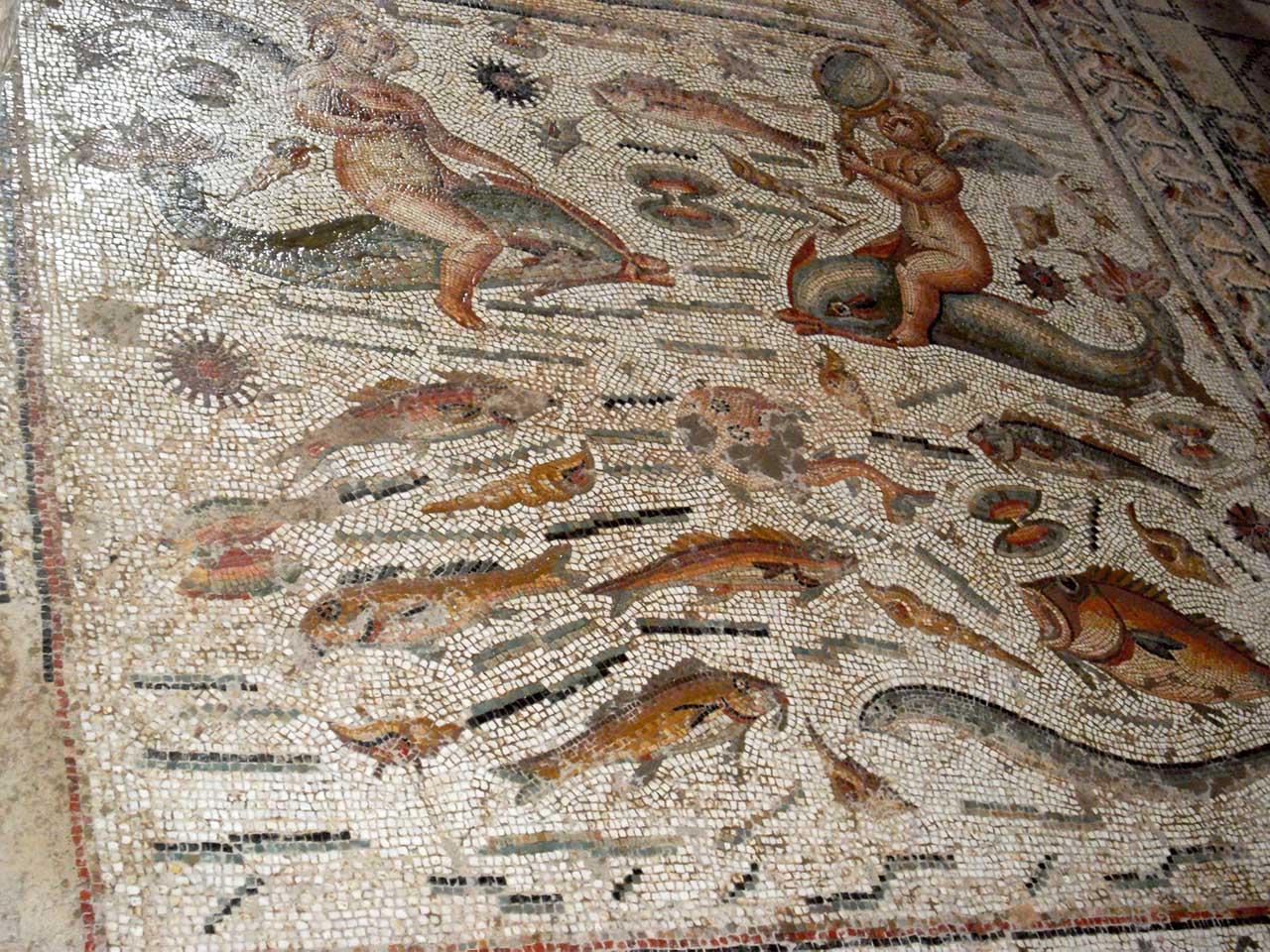
| House | What to look for |
|---|---|
| House of the Hunt | Underground peristyle, light shafts and hunting mosaic |
| House of Amphitrite | In-situ Venus mosaic with fish-tailed centaurs |
| Fishing House | Surviving mosaic floors |
| Treasure House | One of the principal residences marked around the site |
| New Hunt House | Another named Roman residence shown on site maps |
| Mosaics House | Decorative mosaic remains |
These are not the names used by their Roman owners. Instead, archaeologists have named them after the most notable mosaic, artwork, or discovery found inside, making it easier for visitors to identify the different residences. Together, they reveal the wealth, craftsmanship, and everyday life of this remarkable Roman city.
Bulla Regia beyond the villas
Although the underground villas are Bulla Regia’s biggest attraction, they are only part of a much larger Roman city.
As you explore the site, you’ll also find the remains of the forum, public baths, theater, amphitheater, market, capitol, temples, churches, and a later fort, revealing how prosperous and well-planned the settlement once was.
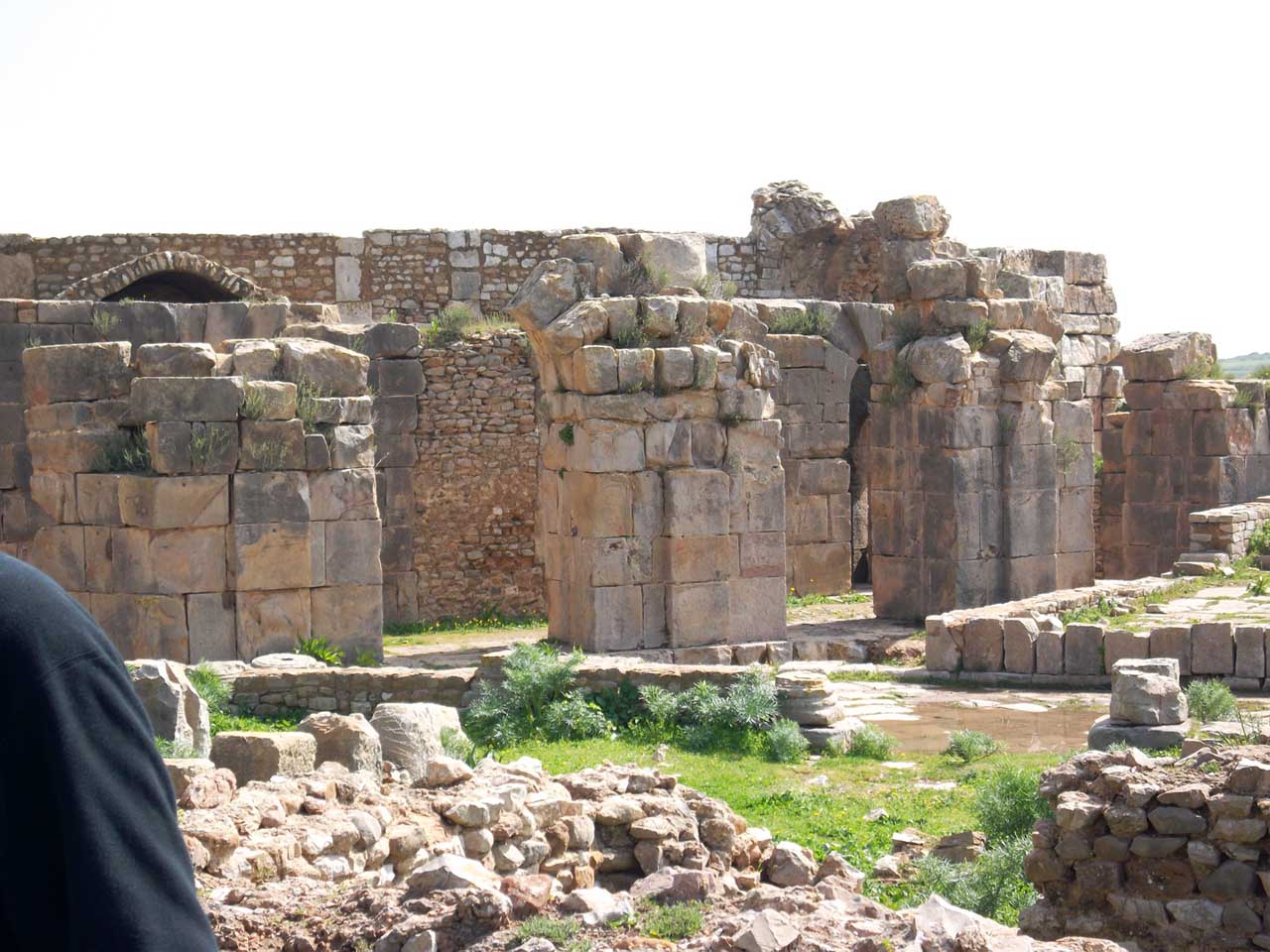
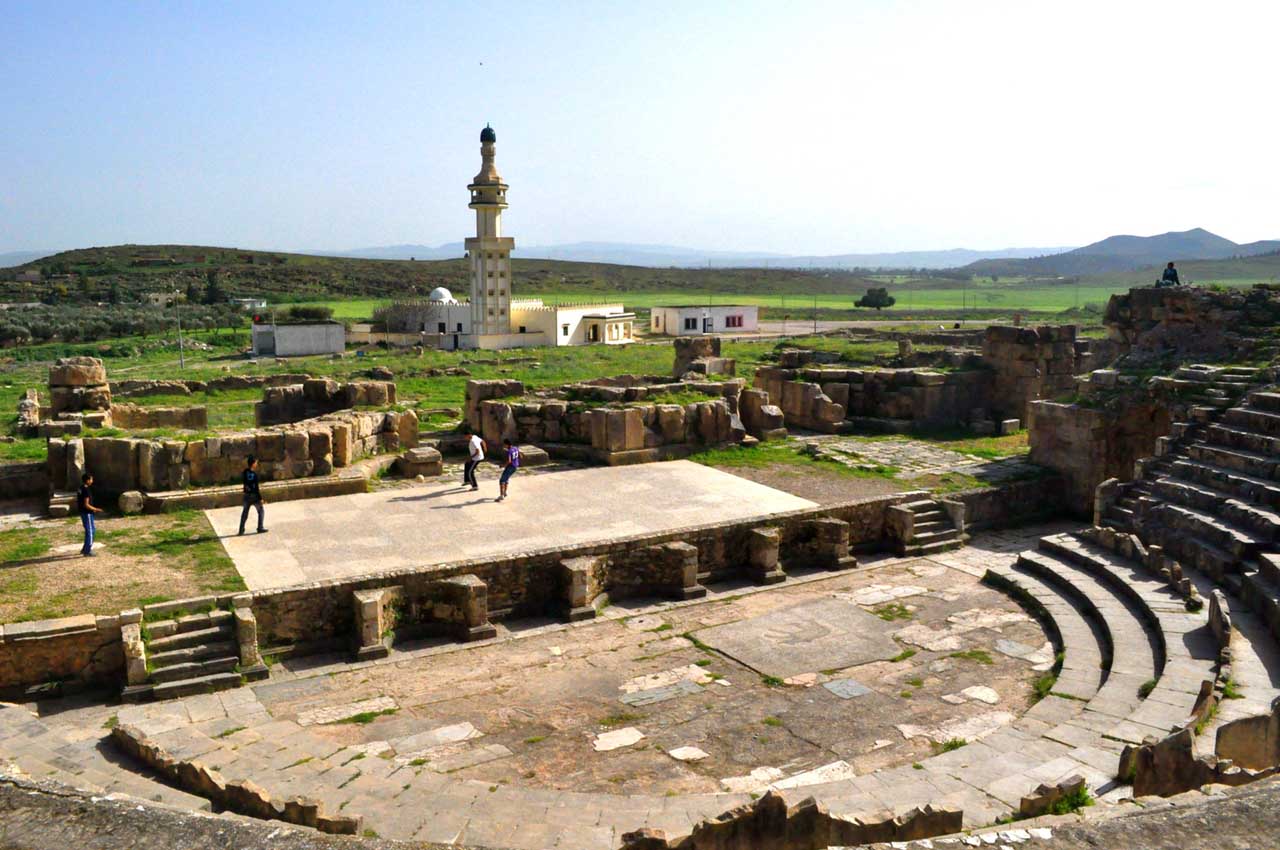
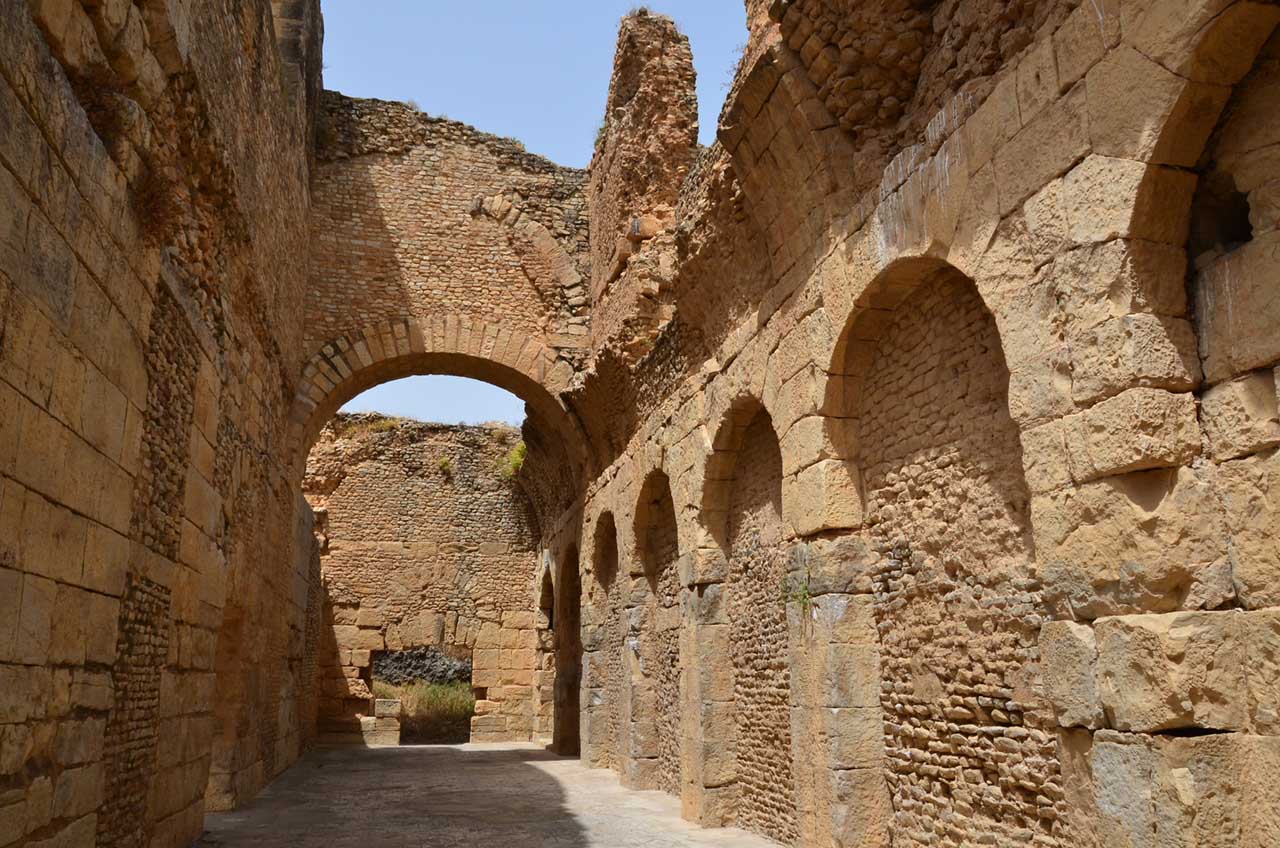
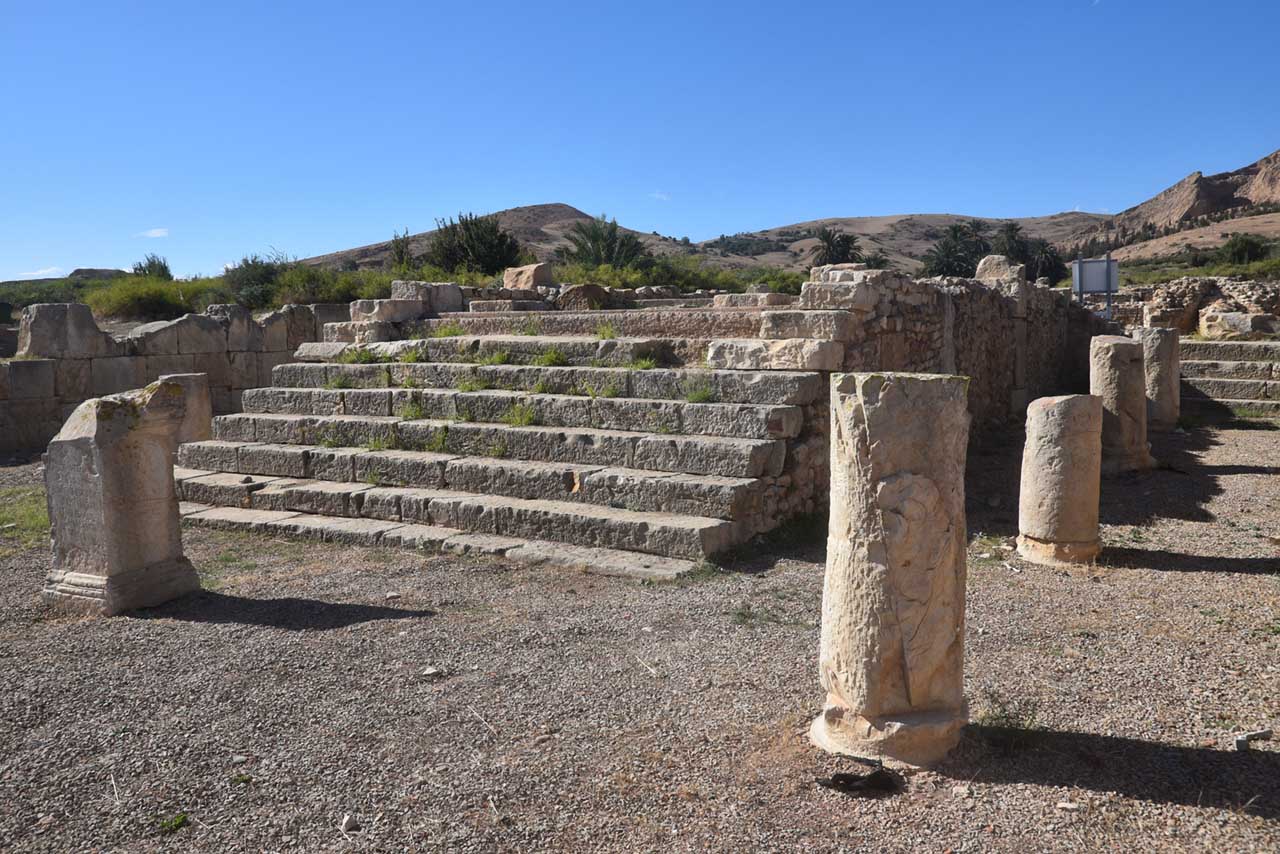
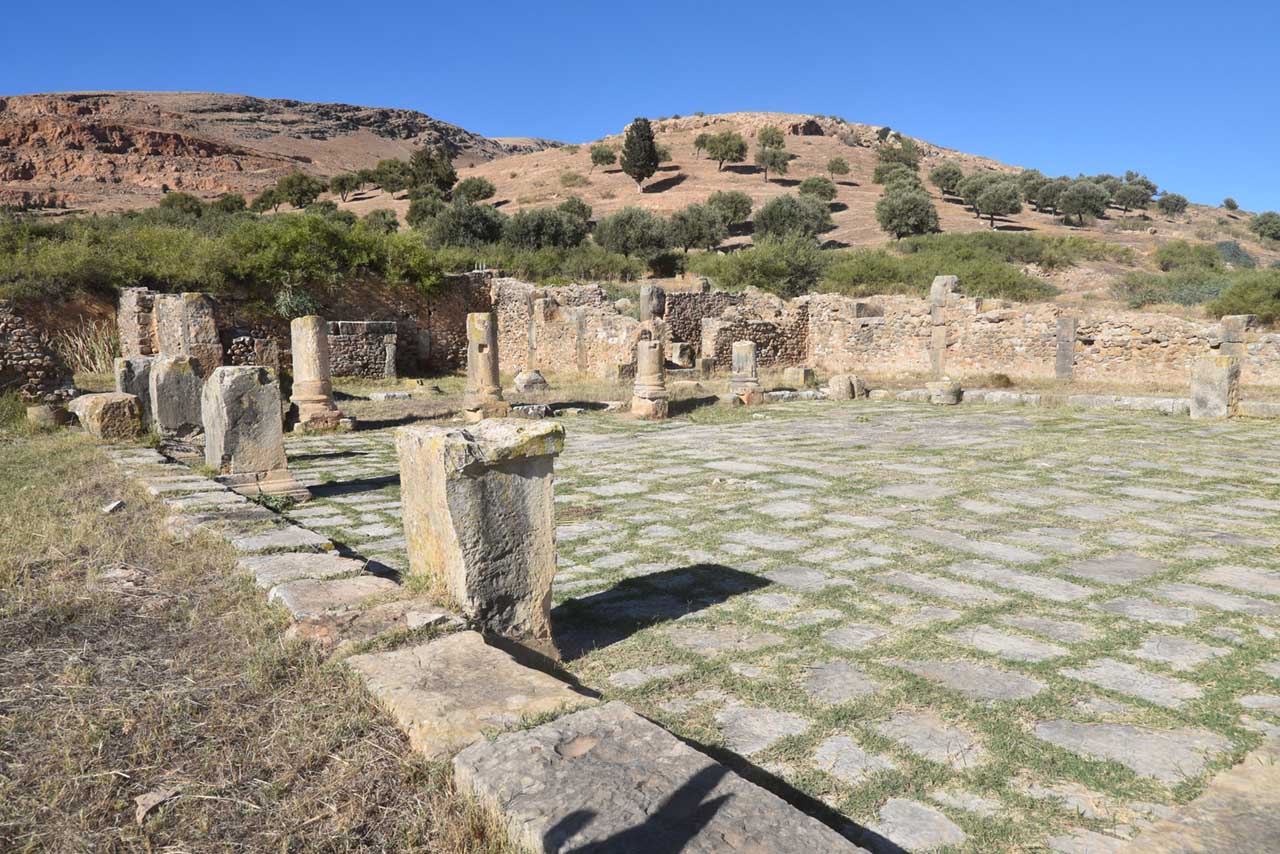
Recent archaeological research has also highlighted Bulla Regia’s importance during the late antique Christian period, showing that the city continued to evolve long after the height of the Roman Empire.
How to visit Bulla Regia
Bulla Regia is best visited as part of a wider journey through northwestern Tunisia rather than as a day trip from the country’s beach resorts.
The nearest practical base is Jendouba, from where the archaeological site is an easy drive. Travelers exploring the region can also combine Bulla Regia with other remarkable ancient sites, including Dougga and Chemtou, or continue toward the forests and Mediterranean coast around Tabarka and Aïn Draham.
Because the site is in a rural part of Tunisia, arranging transport beforehand is recommended. Unlike popular attractions near Tunis, Sousse, or El Jem, public transport connections are more limited, and taxis are not always readily available for the return journey.
For visitors with a special interest in Roman history, a guided tour or private driver offers the easiest way to explore Bulla Regia, one of Tunisia’s most fascinating archaeological sites.
This private day tour combines Bulla Regia with Dougga and Testour, making it a practical option for travelers who want to see several inland sites without arranging transport separately. Hotel pickup and private air-conditioned transport are included.
Bulla Regia opening hours, tickets, and facilities
Visitors should always check ahead about times and ticket costs, because these are subject to change.
On-site facilities include a souvenir shop, a cafeteria, and public toilets. The site is open 7 days a week.
| Visitor detail | Information |
|---|---|
| Opening days | Open daily |
| Winter hours | 08:30 to 17:30 |
| Summer hours | 08:00 to 19:00 |
| Ramadan hours | 08:30 to 17:00 |
| Resident ticket | 5 DT |
| Non-resident ticket | 8 DT |
| Facilities | Souvenir shop, cafeteria and public toilets |
| Before visiting | Confirm current hours and prices |
How long to spend at Bulla Regia
The amount of time you need at Bulla Regia depends on how deeply you want to explore the site. If you are mainly interested in the famous underground villas and the highlights of the ancient city, allow 60 to 90 minutes.
This will give you enough time to visit the best-preserved houses, admire the mosaics, and walk through the main archaeological remains.
A more relaxed visit takes two to three hours, giving you time to explore the theater, baths, forum, and other monuments while stopping to appreciate the remarkably preserved Roman mosaics and take photographs.
Visitors with a particular interest in Roman domestic architecture should avoid rushing, as Bulla Regia’s underground villas are unlike almost any others in the Roman world.
If you are traveling from Jendouba, or combining Bulla Regia with another nearby archaeological site, it’s worth setting aside at least half a day. This allows time for the journey and site exploration without feeling hurried.
Browse tours that include Bulla Regia, with different departure points and combinations with Dougga, Testour, and other nearby sites.
Practical tips before you go
Bulla Regia is a large archaeological site with uneven paths, so comfortable walking shoes are essential. Bring plenty of water if you are visiting during the warmer months, and aim to arrive earlier in the day when temperatures are cooler and the softer light is better for photography.
To get the most from your visit, spend a little time learning about the site beforehand or consider hiring a guide. Understanding why the Romans built these remarkable underground homes adds a whole new dimension to exploring them.
Finally, adjust your expectations. Bulla Regia is not as polished a tourist destination as El Jem or Carthage. Its appeal lies in its quieter atmosphere, unusual architecture, and the feeling of discovering one of Tunisia’s most distinctive Roman archaeological sites.
Staying in Tabarka or Aïn Draham and planning a visit to Bulla Regia? Browse accommodation options in and around Jendouba for an overnight stop near the site.
Conclusion
Bulla Regia is far more than another collection of Roman ruins in Tunisia. Its remarkable underground villas set it apart from almost every other archaeological site in the country, offering a rare glimpse into how wealthy Romans adapted their homes to the harsh North African climate nearly 2,000 years ago.
The greatest reward of a visit is the chance to step down into these preserved living spaces, where intricate mosaics, courtyards, and rooms remain in the places they were created rather than displayed behind museum glass.
That sense of walking through a real Roman home makes Bulla Regia one of Tunisia’s most memorable ancient sites and an essential stop for anyone fascinated by Roman history.


