
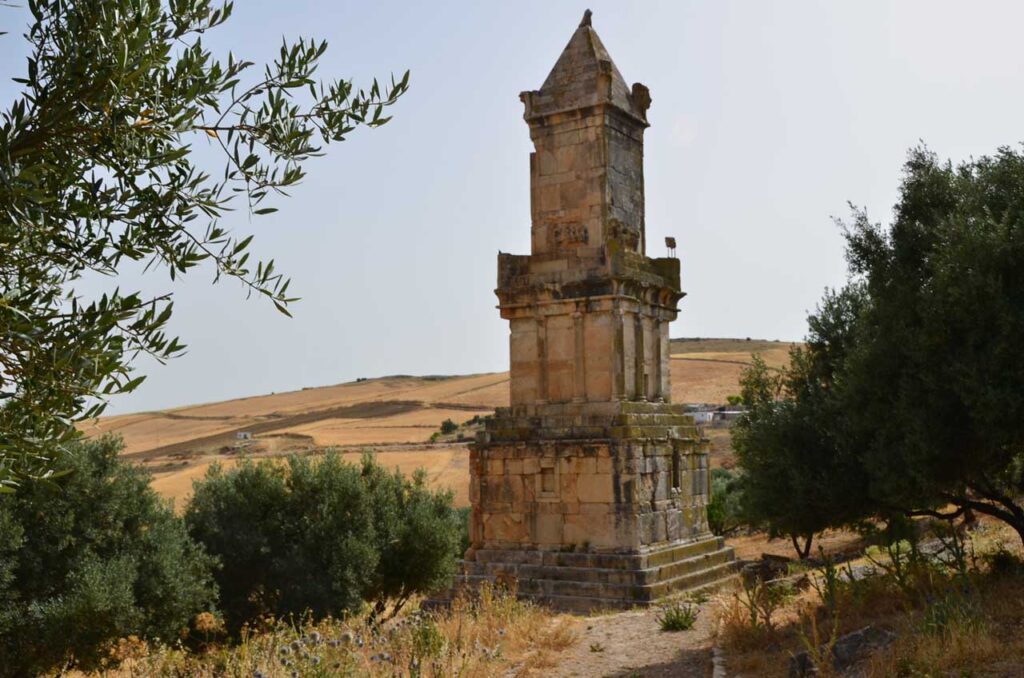
The Libyco-Punic Mausoleum, one of the rare surviving examples of Royal Numidian architecture, stands on the outskirts of the ancient city of Thugga, today known as Dougga.
This elegant stone mausoleum, built in the 2nd century BC, predates the Roman city that rose around it and is a reminder of the Numidian kingdom that flourished before the Roman conquest.
The restored mausoleum remains a distinctive landmark and a must-see for anyone touring this UNESCO World Heritage site.
Last updated: August 2026
What is the Libyco-Punic Mausoleum of Dougga?
Widely regarded as a royal Numidian funerary monument, the three-level mausoleum rises 21 meters above the surrounding landscape and was built before the region came under full Roman control.
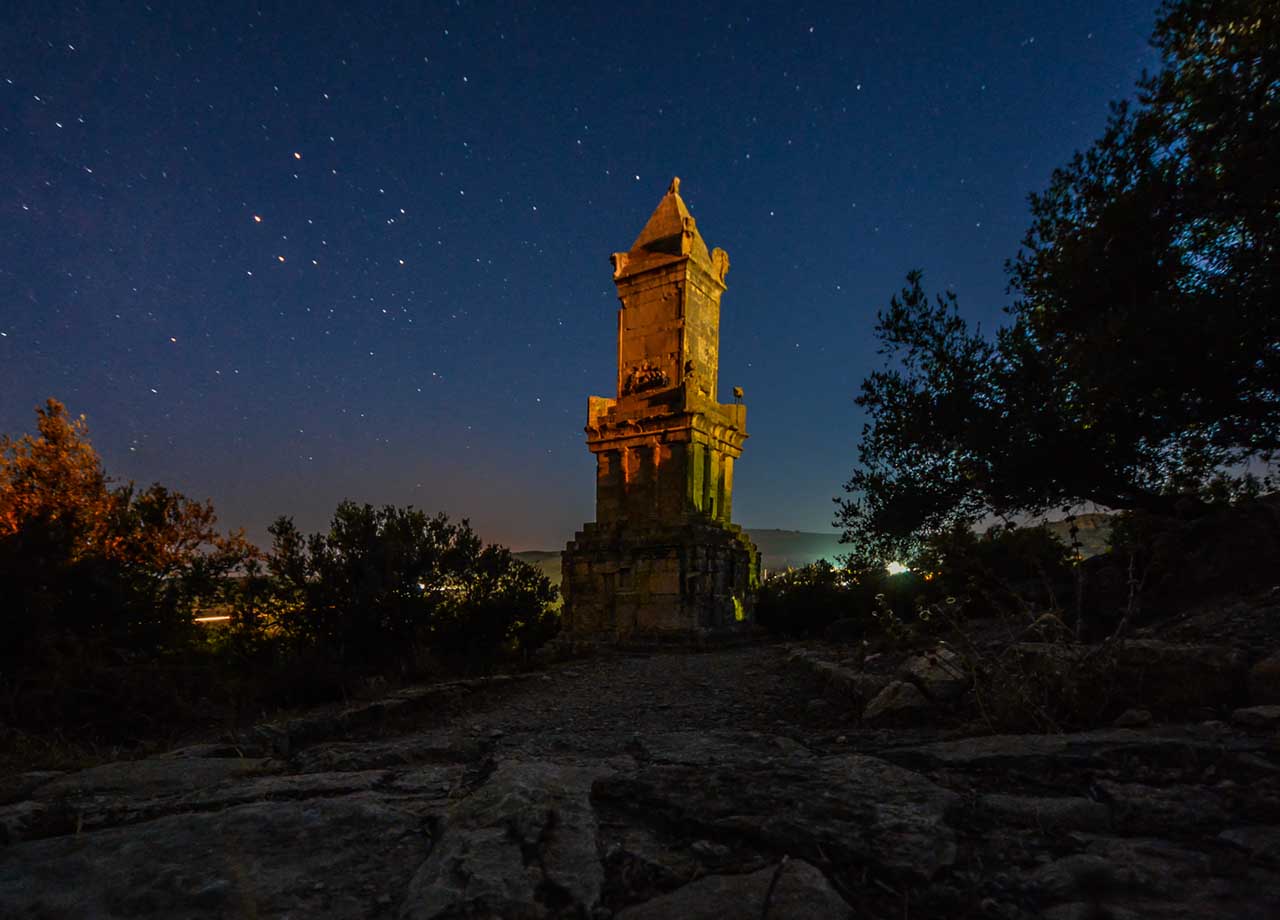
Although the identity of the occupant remains uncertain, the funerary monument is valued as one of the finest surviving examples of pre-Roman North African architecture.
| Detail | Information |
|---|---|
| Date | 2nd century BC |
| Height | About 21 meters |
| Structure | Three levels on a five-step platform |
| Culture | Numidian / Libyco-Punic |
| Original purpose | Royal funerary monument |
| Inscription | Punic and Libyco-Berber |
| Reconstruction | 1908 to 1910 |
| Location | Dougga archaeological site |
Why this mausoleum matters
Visitors often associate Dougga with the preserved Roman temples, theater, baths, and forum, but the Libyco-Punic Mausoleum tells an older story.
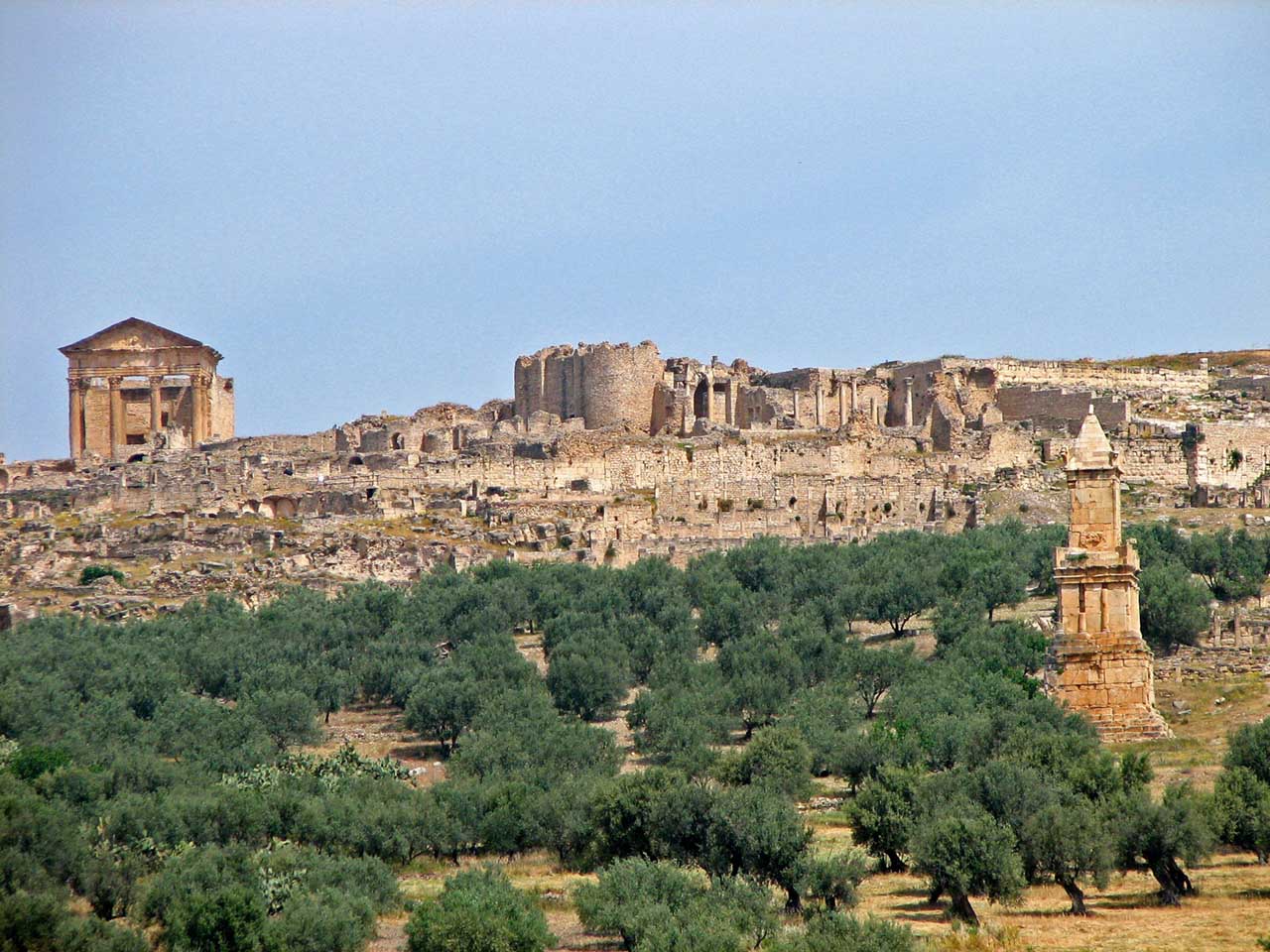
Dougga was an important Libyco-Punic and Numidian center, and UNESCO acknowledges that the history of the ancient city dates back centuries before Roman annexation.
Tunisia’s Agency for the Enhancement of Heritage and Cultural Promotion (AMVPPC) describes the monument as a symbol of the region’s rich cultural heritage and economic prosperity prior to Roman rule.
What to look for in the monument itself
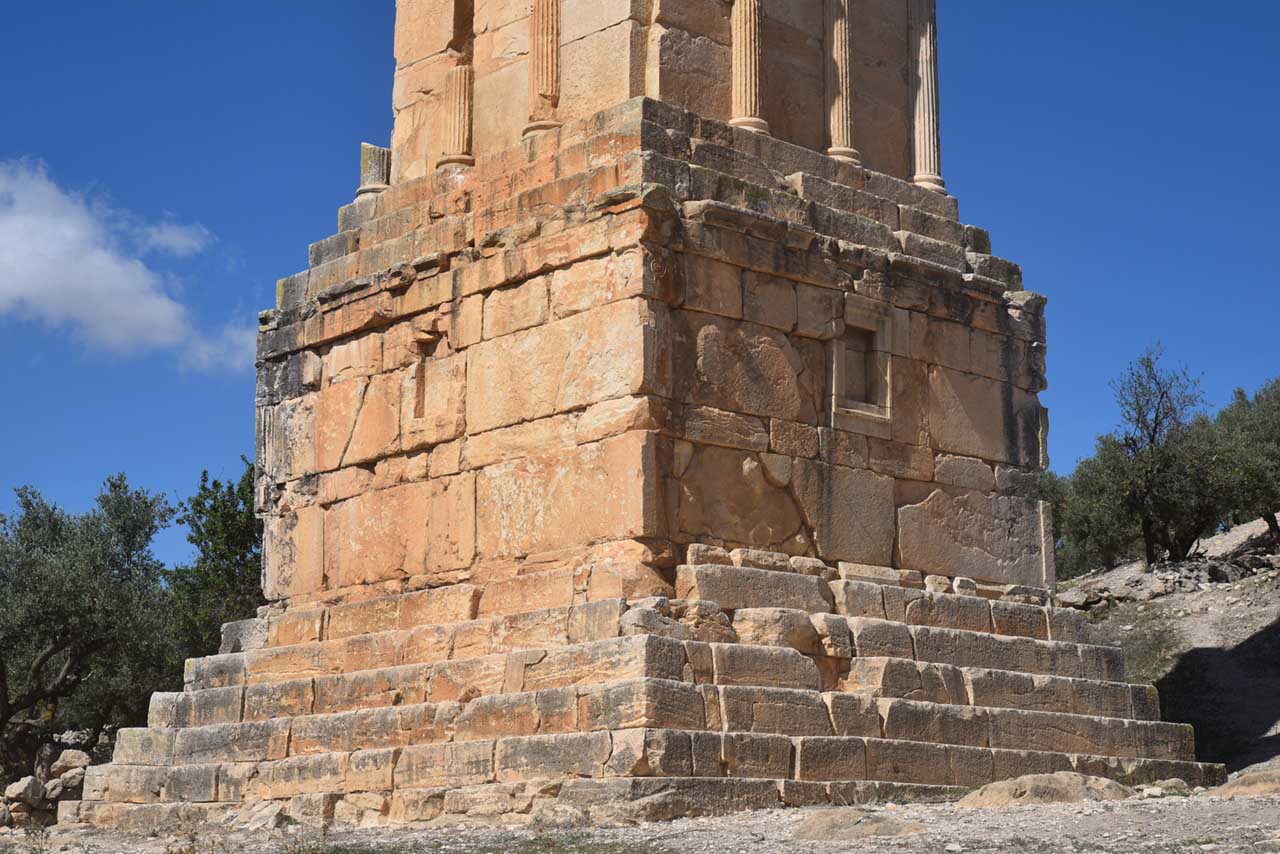
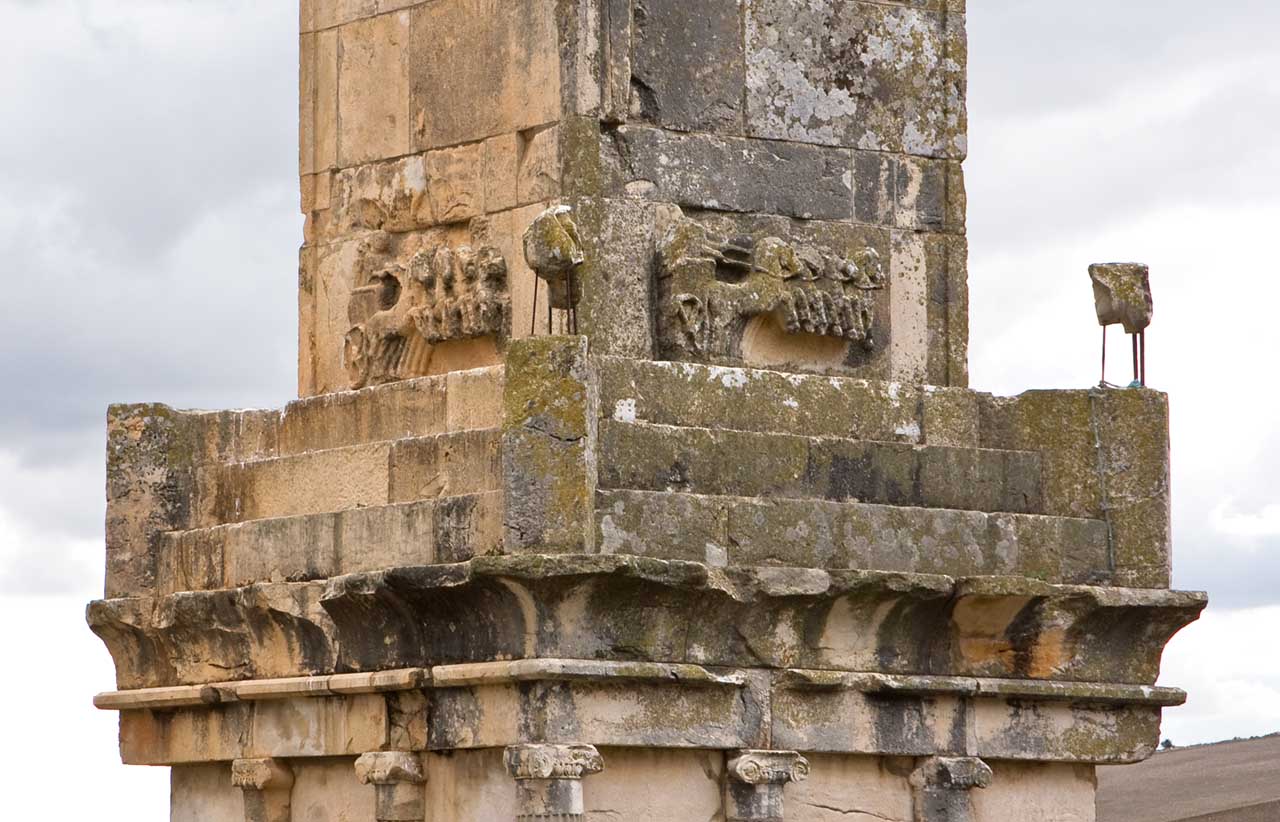
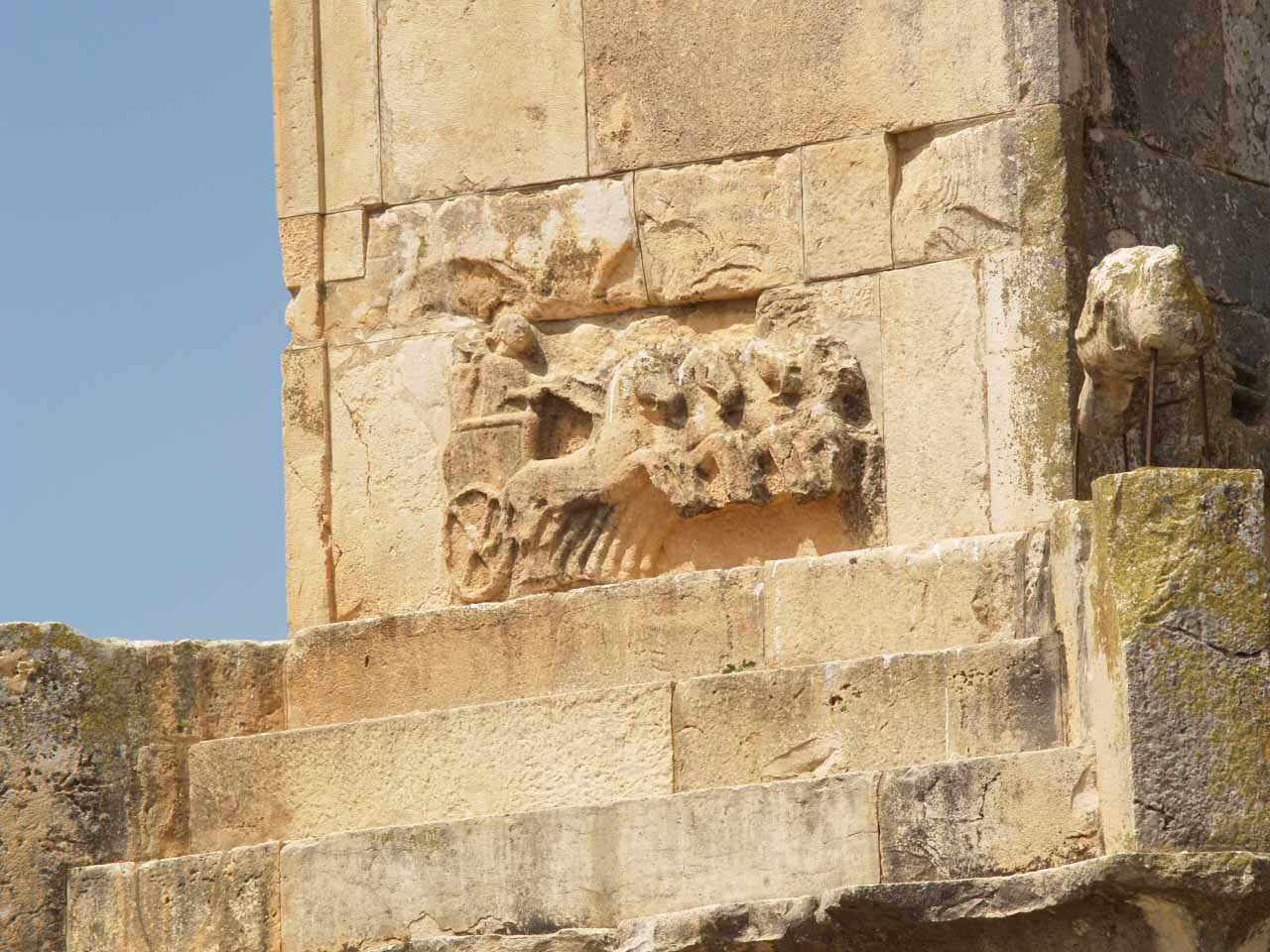
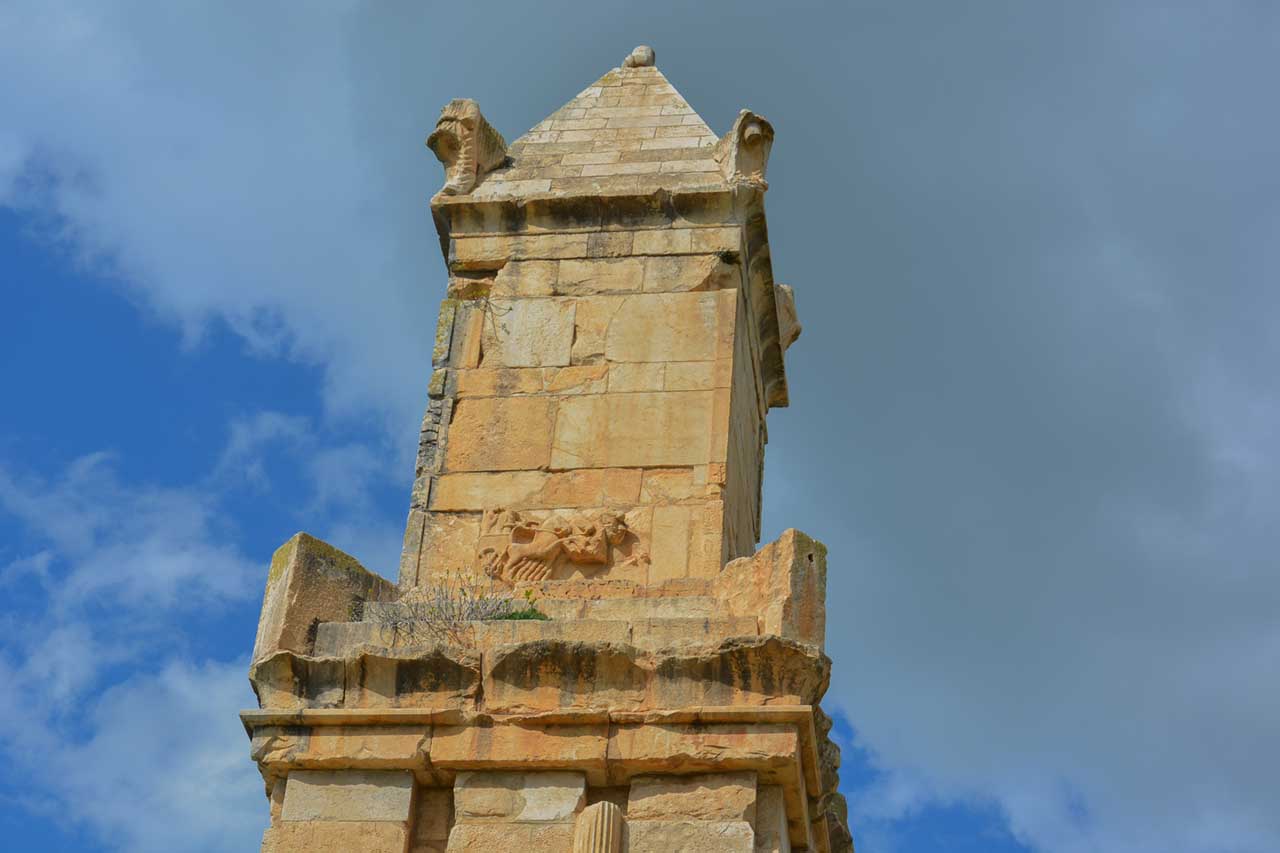
The monument’s three-tiered design rises from a five-step platform, anchoring the limestone structure to the ground.
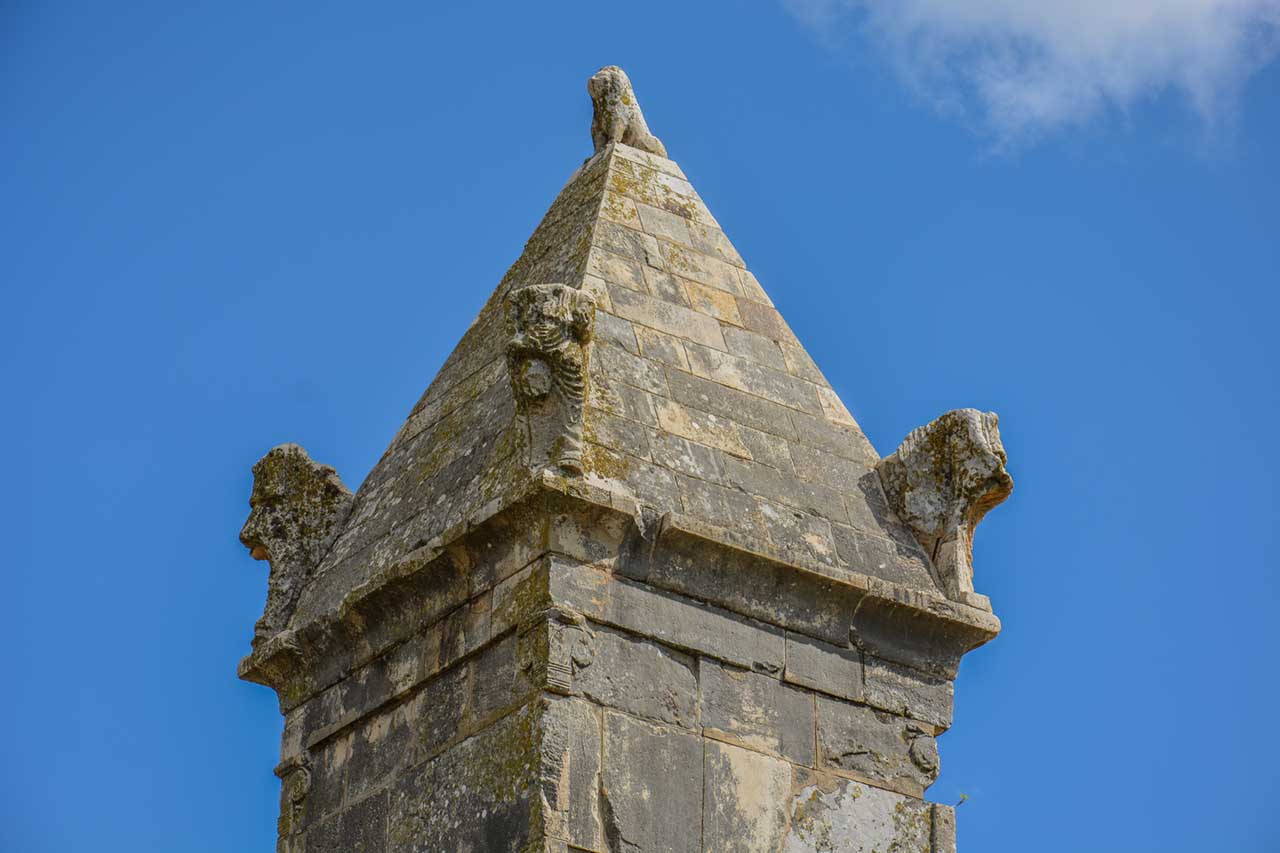
The monument narrows as it travels upward, ending in a pyramidal roof. The lower level holds a hidden burial room, while the second level features fluted Ionic columns and windows.
The final level is crowned by a pyramidal roof, with sculptural decoration including winged female figures and a seated lion.
The bilingual inscription: why it became famous
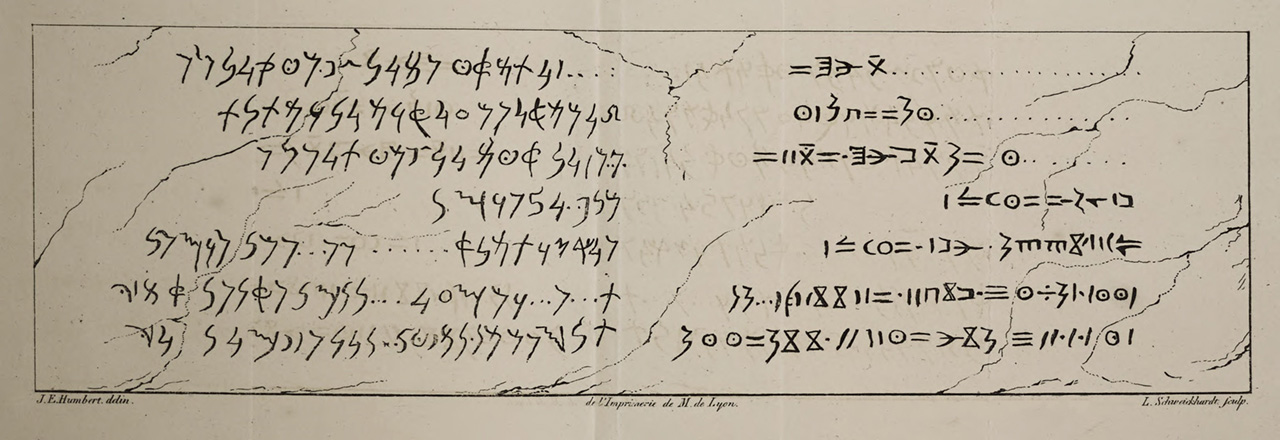
The inscription on the monument acted as a “Rosetta Stone,” allowing scholars to decipher the ancient bilingual inscription in Punic and Libyco-Berber texts.
With the Punic version on the left and a then-undeciphered Numidian/Libyan version on the right, it allowed French scholar Ferdinand de Saulcy to decipher the alphabetic Numidian script.
What happened to the inscription?
In 1842, British consul Sir Thomas Reade caused a controversy that reverberated through the ages when he damaged the tomb while removing the inscription blocks.
The removed pieces eventually entered the British Museum collection, where they remain today.
The reconstruction question
The monument is a story of severe damage and renewed life. Reconstructed between 1908 and 1910, UNESCO notes that the authenticity of the reconstructed Libyco-Punic Mausoleum has long been debated.
Where to see the Libyco-Punic Mausoleum today
The monument stands at the archaeological site of Dougga, near the town of Teboursouk, while its original bilingual inscription is housed permanently in the British Museum. Entrance tickets cost 8 Tunisian Dinars for non-residents and 5 Tunisian Dinars for residents and include general admission to the Dougga ruins.
How to fit it into a Dougga visit
The mausoleum stands near the southern edge of the archaeological site, making it easy to visit either at the start or end of your general site tour.
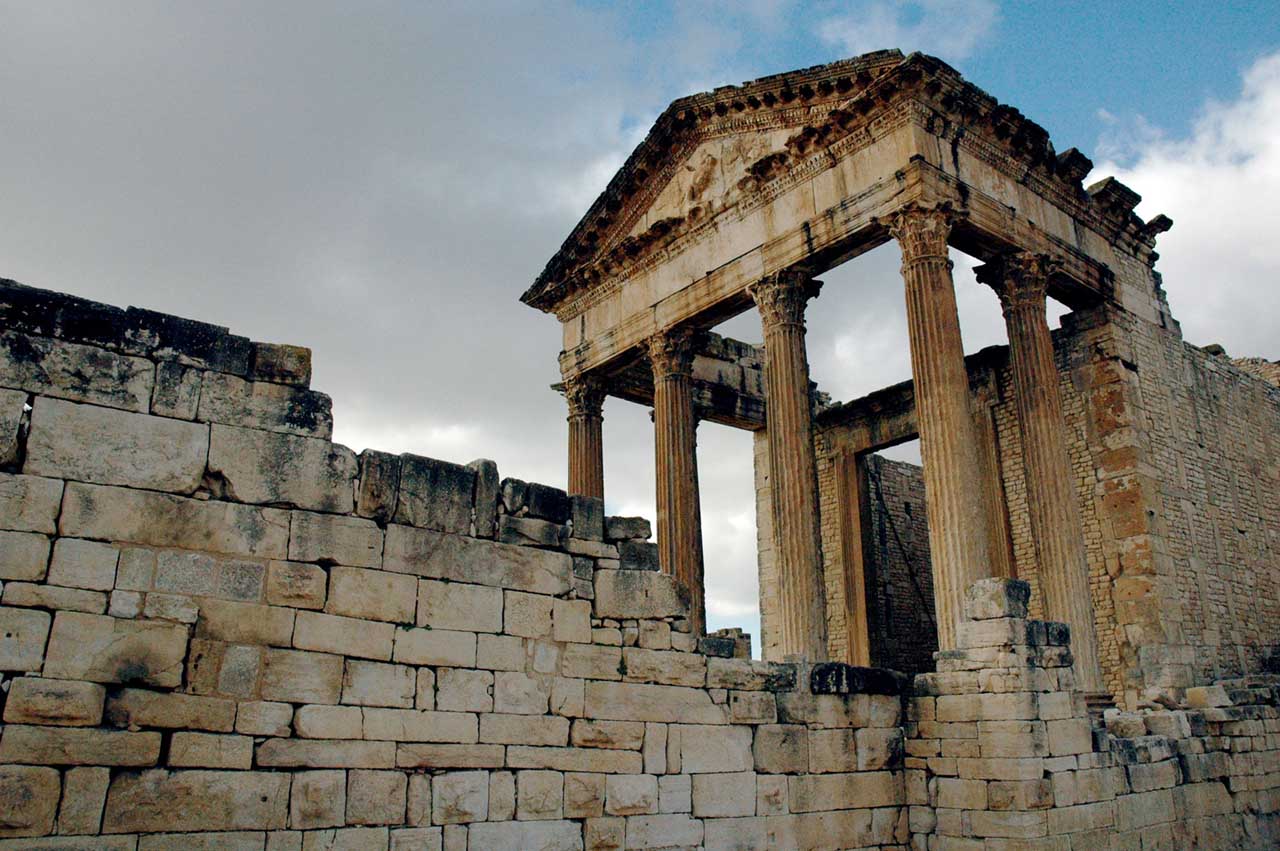
A simple walking route starts at the lower main car park, heads towards the mausoleum, and then loops through the central Roman ruins, which include the Capitol and Forum.
Not only is this monument evidence of a sophisticated indigenous kingdom, its bilingual inscription helped decode the ancient Libyco-Berber script.
Want to visit Dougga without arranging transport or tickets yourself? This highly rated private day tour includes hotel pickup, entrance fees and guided visits to both Dougga and Bulla Regia.
Dougga: opening hours, tickets, and facilities
The archaeological site is open daily with seasonal hours: 8 a.m. to 7 p.m. in summer (April-September), 8.30 a.m. to 5.30 p.m. in winter (October-March), and 8 a.m. to 5 p.m. during Ramadan.
The site is open seven days a week, and tickets cost 8 DT for non-residents and 5 DT for residents.
Basic restrooms are located near the main entrance, and the site also has a shop and cafeteria.
Local guides may also be available at the entrance gate.
It’s best to confirm operating hours and ticket prices before you visit, as these are subject to change.
| Visitor information | Details |
|---|---|
| Summer hours | 8 a.m. to 7 p.m., April to September |
| Winter hours | 8.30 a.m. to 5.30 p.m., October to March |
| Ramadan hours | 8 a.m. to 5 p.m. |
| Non-resident ticket | 8 DT |
| Resident ticket | 5 DT |
| Open | Seven days a week |
| Facilities | Restrooms, shop, cafeteria |
| Recommended visit | 2 to 4 hours |
Want more ways to explore Dougga? Browse these tours for guided visits, transport options, and day trips from Tunis and other nearby destinations.
How long to spend in Dougga
Allow at least two hours to visit all the highlights of the Dougga archaeological site. Apart from the mausoleum, this will allow sufficient time to visit the highlights, including the 2nd-century theater, the iconic Capitol temple, and the forum area.
Travel Tip: Dougga is a large, spread-out archaeological site, so leave some extra time in your schedule for walking between the major monuments rather than planning your visit around sightseeing time alone.
For history buffs, set aside 3 to 4 hours for a leisurely exploration of the site, including the bath complexes and residential quarters.
You will need half a day if traveling from Tunis or visiting nearby stops, and a full day when combining Dougga with historical stops at Testour or Bulla Regia.
The Dougga archaeological site is large and spread out, so build time into your schedule for the walking that your route entails.
Conclusion
The Libyco-Punic Mausoleum serves as a clear indication that Dougga was a significant center in North Africa long before the construction of its remarkable Roman monuments.
The monument is especially important because of its bilingual inscription, as it helps scholars understand the ancient languages and writing systems of the area.
The mausoleum remains in Dougga, while fragments of the inscription are kept in the British Museum. This provides visitors with a direct connection to an earlier era in the city’s history.


