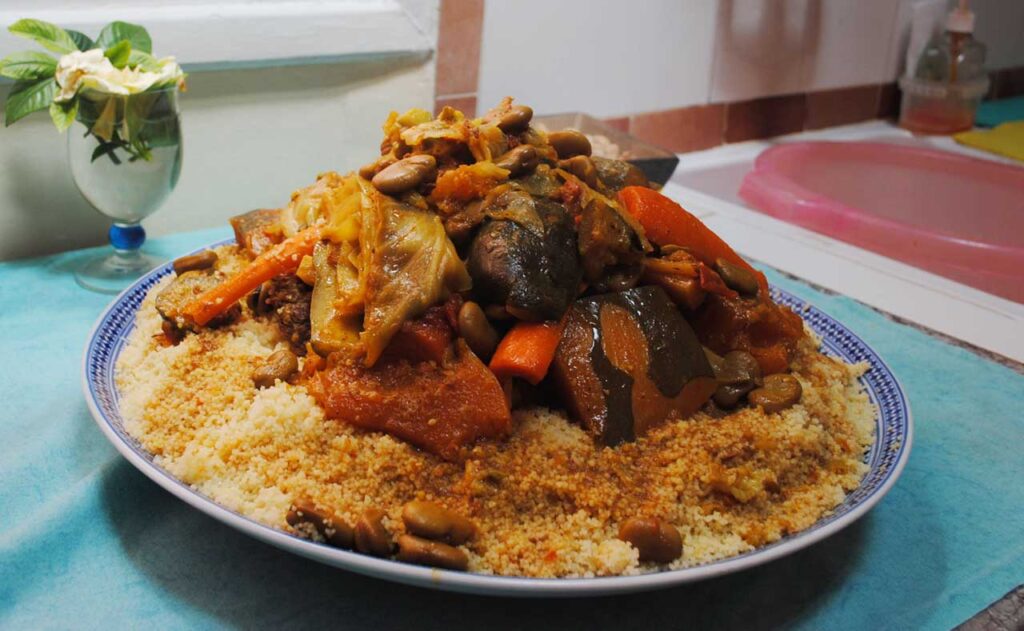
Tunis is one of the easiest places to discover authentic Tunisian street food. From the bustling lanes of the Medina to long-established snack shops in the city center and the seaside neighborhoods of La Goulette, La Marsa, and Sidi Bou Said, many of the country’s best-loved classics are still prepared the way locals have enjoyed them for generations.
Whether you’re after a hearty bowl of lablabi on a cool morning, a crispy brik for lunch, or a sugar-coated bambalouni by the sea at sunset, Tunis offers an easy introduction to the country’s rich street food culture.
Last updated: August 2026
Tunis street food in 2 minutes: what makes it different
Tunisian street food is built around simple, everyday ingredients that appear in countless combinations. Fresh bread, harissa, eggs, tuna, chickpeas, olives, potatoes, peppers, and other fried vegetables form the backbone of many of the city’s favorite snacks.
A spicy spoonful of harissa, a sliced boiled egg, chunks of tuna, crisp vegetables, and crusty bread can all feature in classics such as lablabi, brik, fricassé, chapati, mlewi, makloub, kafteji, and the much-loved casse-croûte tounsi.
Harissa deserves a special mention. This fiery chili paste is a cornerstone of Tunisian cuisine and has become one of the country’s best-known culinary traditions. While locals often enjoy a generous helping, visitors who prefer milder flavors can simply ask for less or request that it be served on the side.
Street food in Tunis is designed to be quick, filling, and affordable. It’s the food people grab from neighborhood snack shops, Medina counters, bakeries, and small cafés during a lunch break, while running errands, or on the way home after an evening out.
What to try first
Lablabi: the chickpea bowl
Lablabi is a truly local street food. This comforting chickpea dish is one of Tunisia’s best-loved everyday meals and has been warming hungry locals for generations.
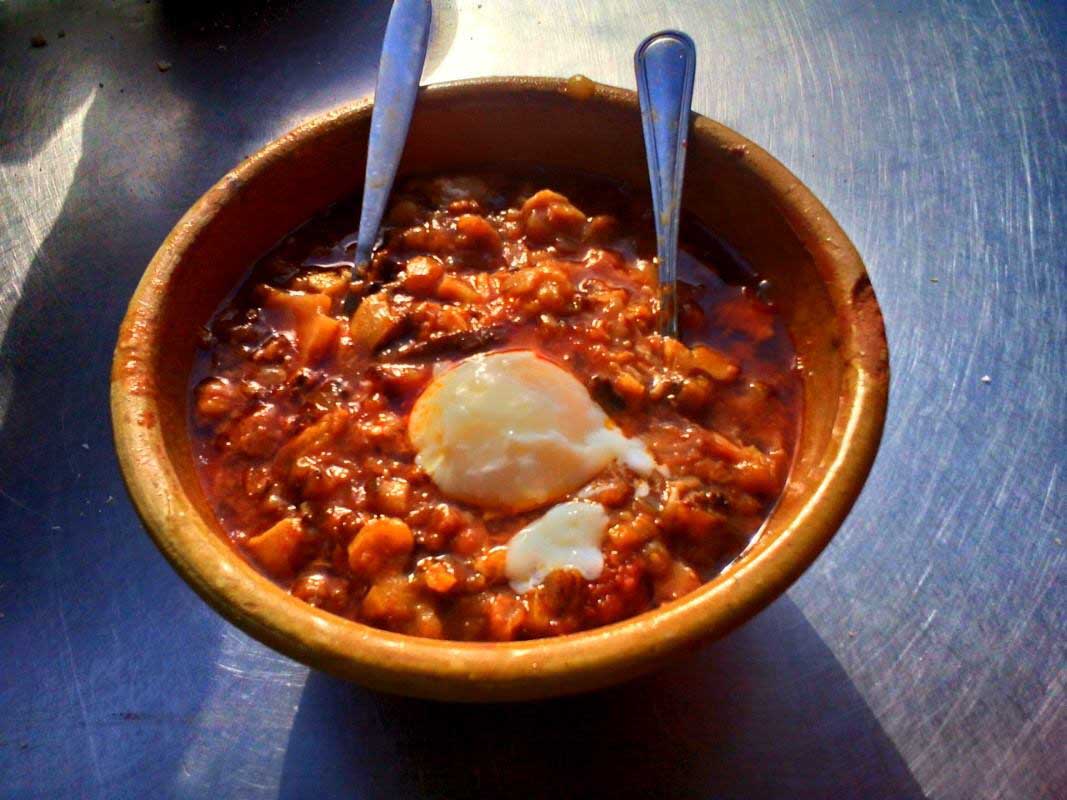
Chunks of crusty bread are placed in the bottom of a bowl before being covered with hot chickpeas and their broth. The dish is then topped with olive oil, cumin, harissa, and, in many cases, a soft-boiled or poached egg. You may also be offered tuna, capers, or olives as extra toppings.
Don’t be surprised if eating it becomes a little messy.
Brik: the crispy egg pastry
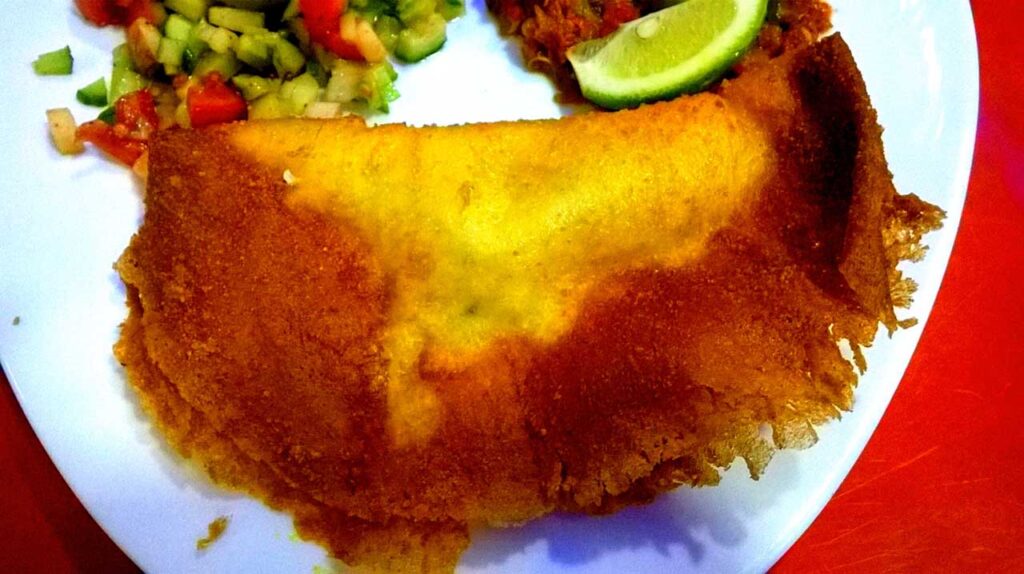
Brik is another signature street food. Made with an ultra-thin pastry wrapper, it is folded around a savory filling before being deep-fried until golden and crisp.
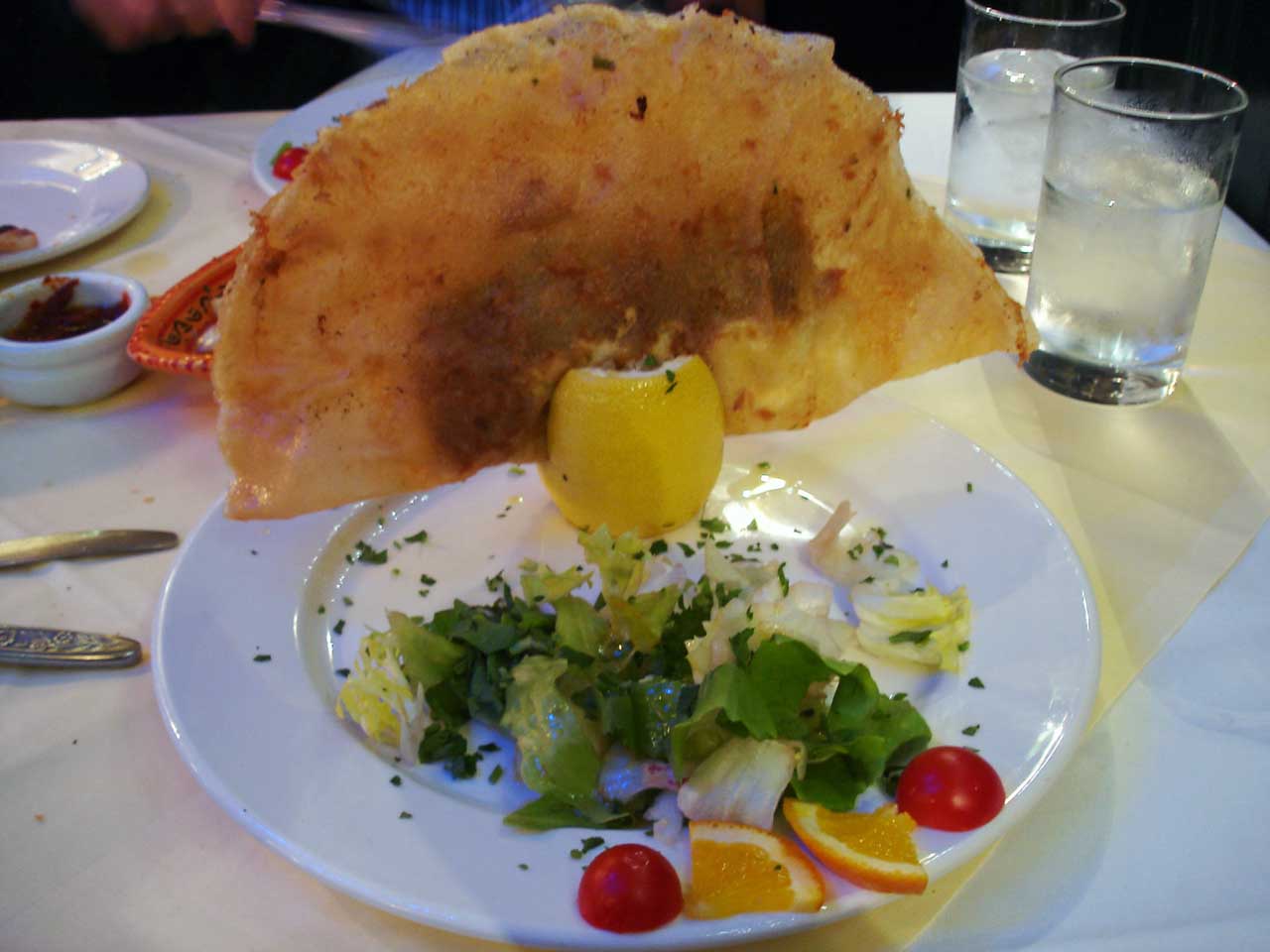
Remember to eat your brik immediately, as it’s best when fresh from the fryer, with the pastry still crackling and the egg yolk perfectly warm and soft.
Fricassé: the small fried sandwich
A Tunisian fricassé is a small, deep-fried bread roll that’s crisp on the outside, soft inside, and generously filled with classics such as mashed potato, tuna, sliced boiled egg, olives, and a touch of harissa.
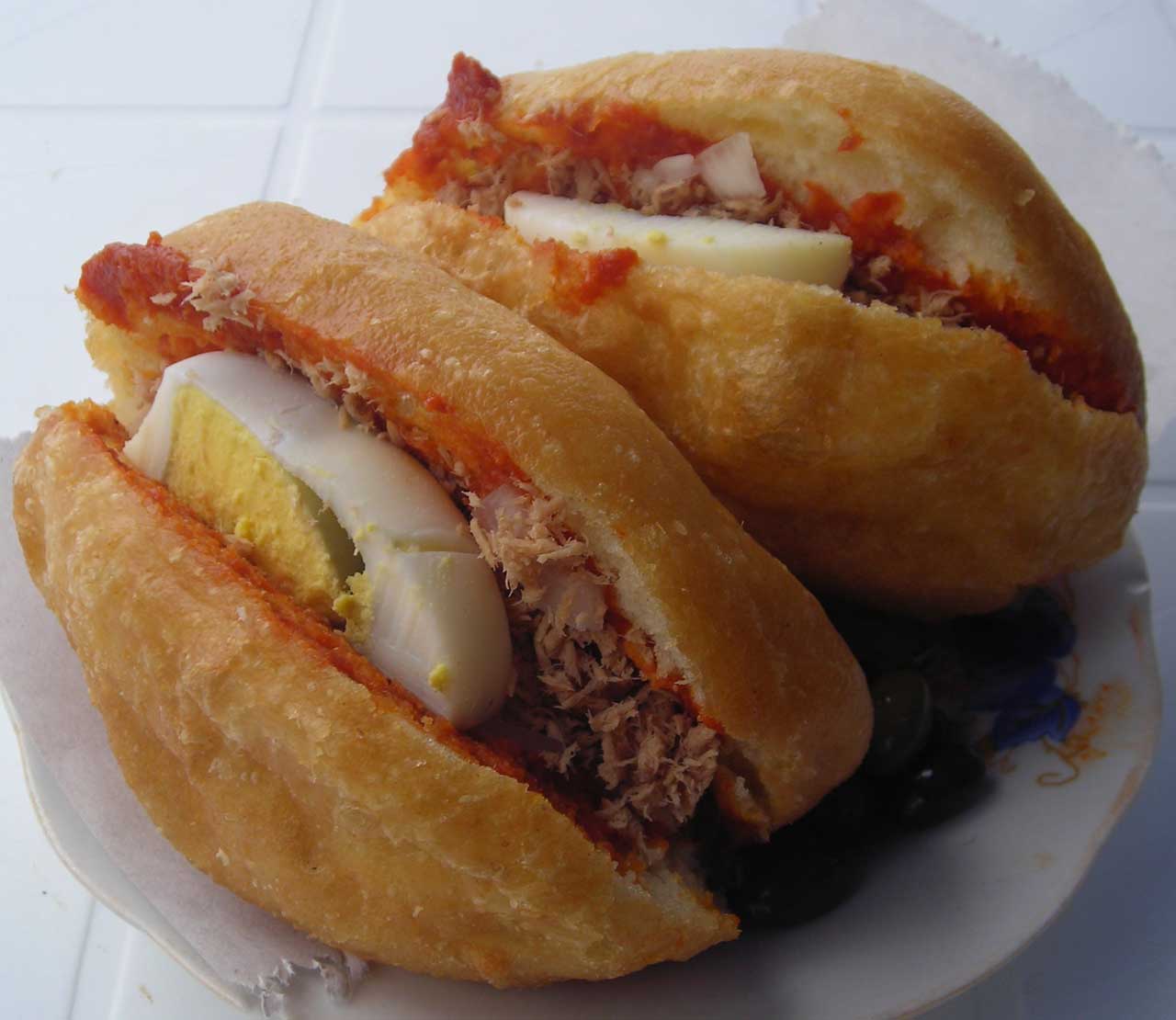
Roughly the size of a small potato, it’s easy to hold in one hand and makes an ideal snack while wandering through the streets of Tunis.
The sandwich is widely associated with the Jewish community of La Goulette, the historic port suburb of Tunis, where it became a much-loved local specialty before spreading across the capital and the rest of the country.
Kafteji: chopped fried vegetables and egg
If you’re looking for something distinctly Tunisian but don’t fancy another sandwich, kafteji is an excellent choice.
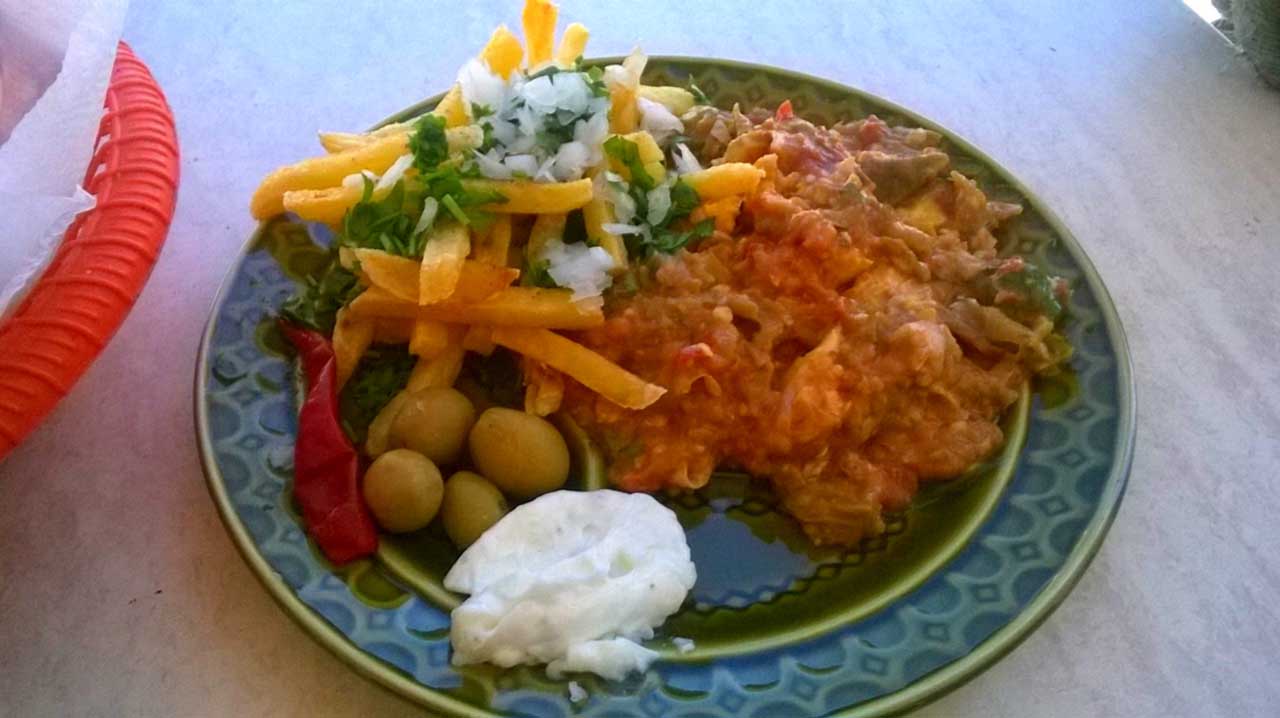
It’s made by finely chopping a selection of fried vegetables such as peppers, potatoes, pumpkin, courgette, and tomatoes and mixing them with egg.
It’s usually served with fresh bread for scooping, although some cafés offer it as a plated meal alongside salad or extra toppings such as tuna or olives.
Chapati, mlewi, and makloub: the sandwich family
You’ll quickly notice three names appearing on almost every Tunis snack shop’s lunchtime menu: chapati, mlewi, and makloub. While the fillings are often similar, the bread is what sets them apart.
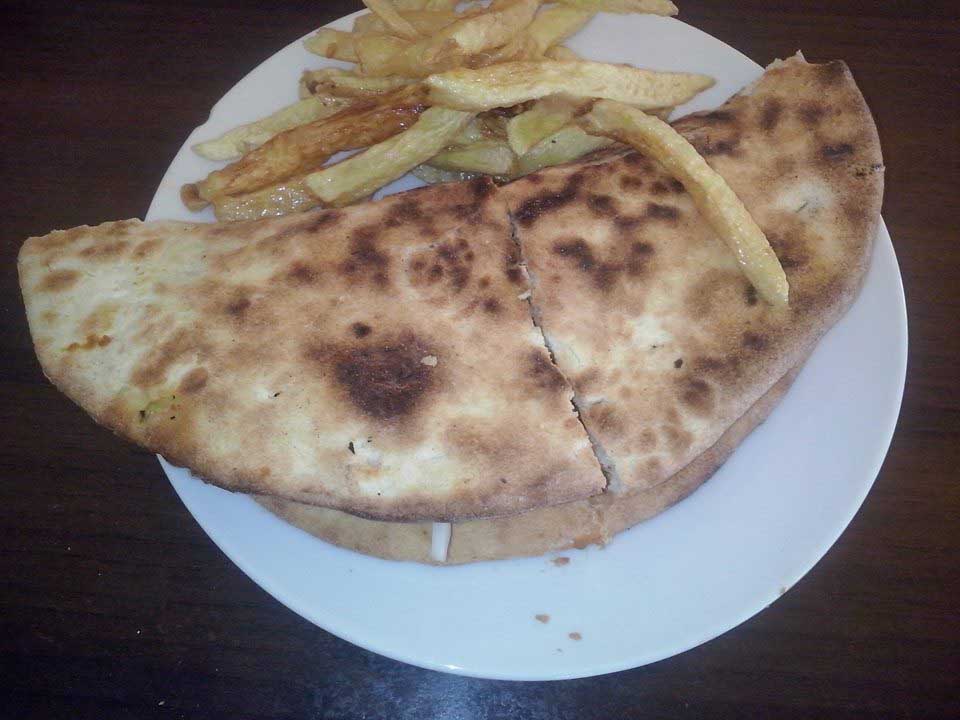
A chapati is typically made with a soft, round bread that’s sliced and filled much like a hearty sandwich. A mlewi uses a thin, flaky flatbread with delicate layers that are wrapped around the filling, while a makloub uses pizza-style dough folded around the filling and cooked until lightly crisp.
Bambalouni: the Sidi Bou Said doughnut
After a day spent exploring the ancient ruins of Carthage or wandering the blue-and-white streets of Sidi Bou Said, there’s one sweet treat that many visitors make a point of seeking out: bambalouni.
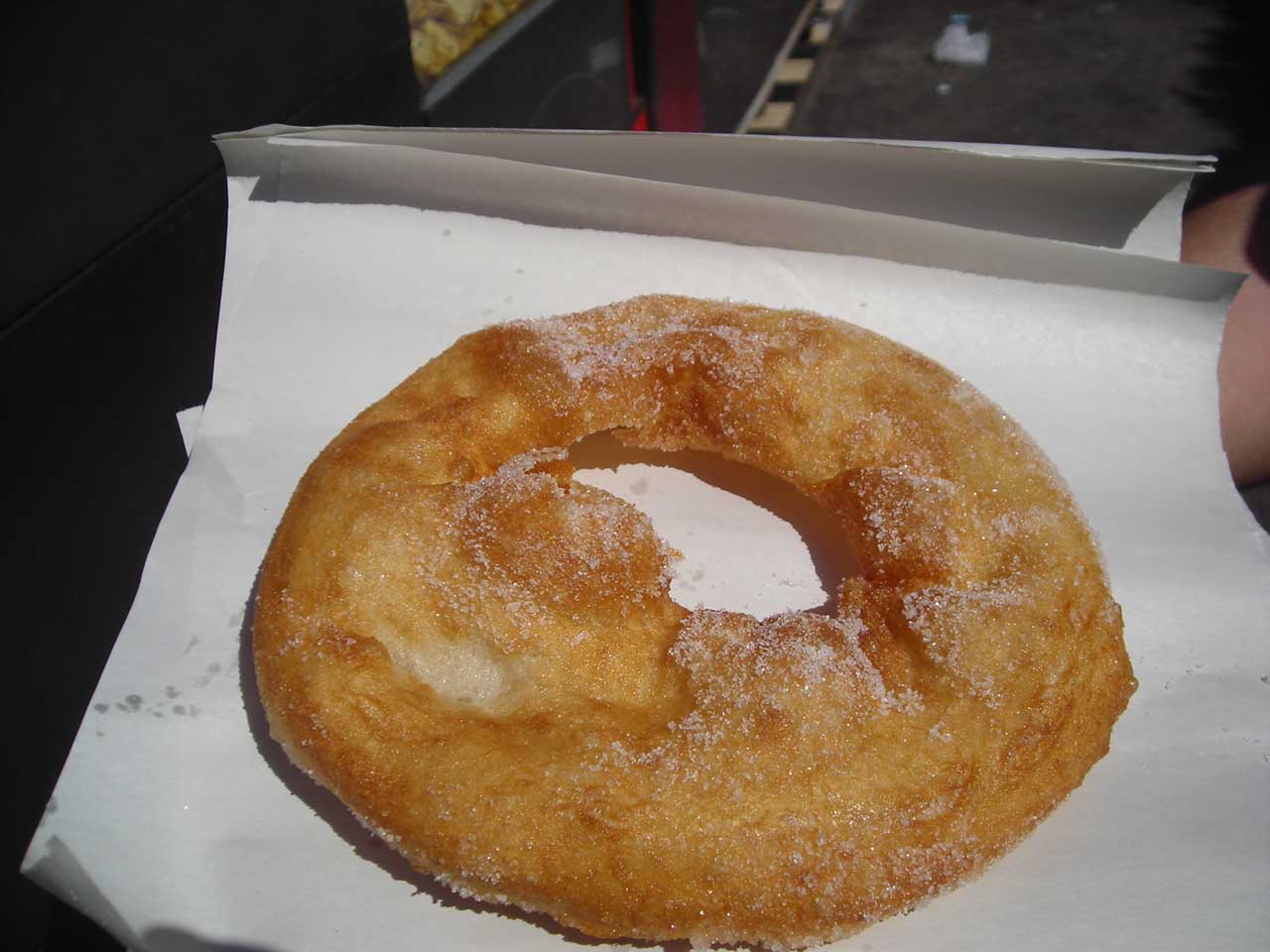
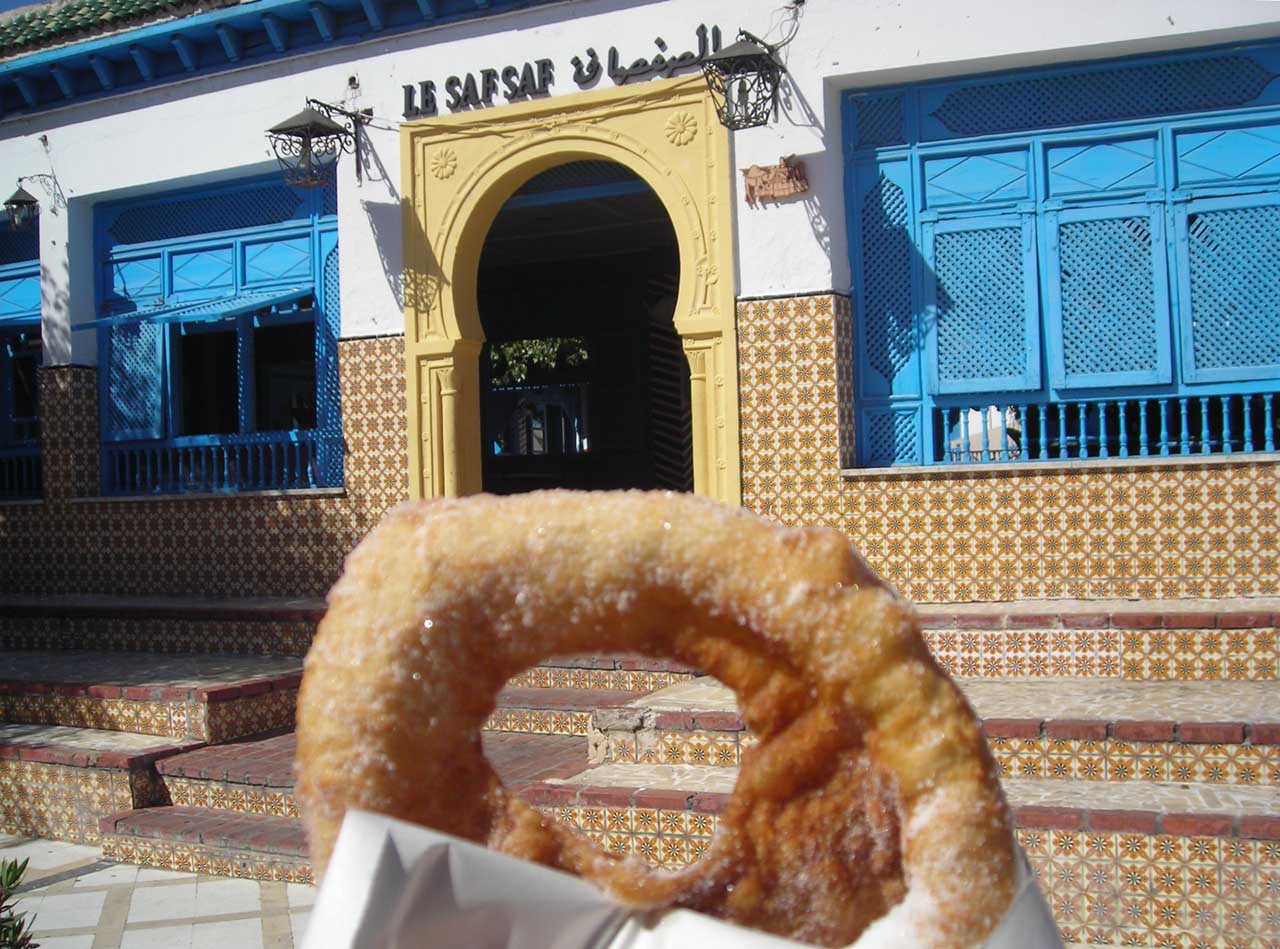
This much-loved Tunisian snack is a large, ring-shaped doughnut made from simple yeast dough that’s fried until golden, then generously coated in sugar while still hot.
Bambalouni is especially associated with the seaside village of Sidi Bou Said, where it has become a local tradition.
For a more hands-on food experience, this small-group cooking class with Jiji lets you prepare traditional Tunisian dishes in a local home.
Where to find street food in Tunis
Tunis Medina and city center
For a first taste of Tunisian street food, it’s hard to beat the Medina and the surrounding city center.
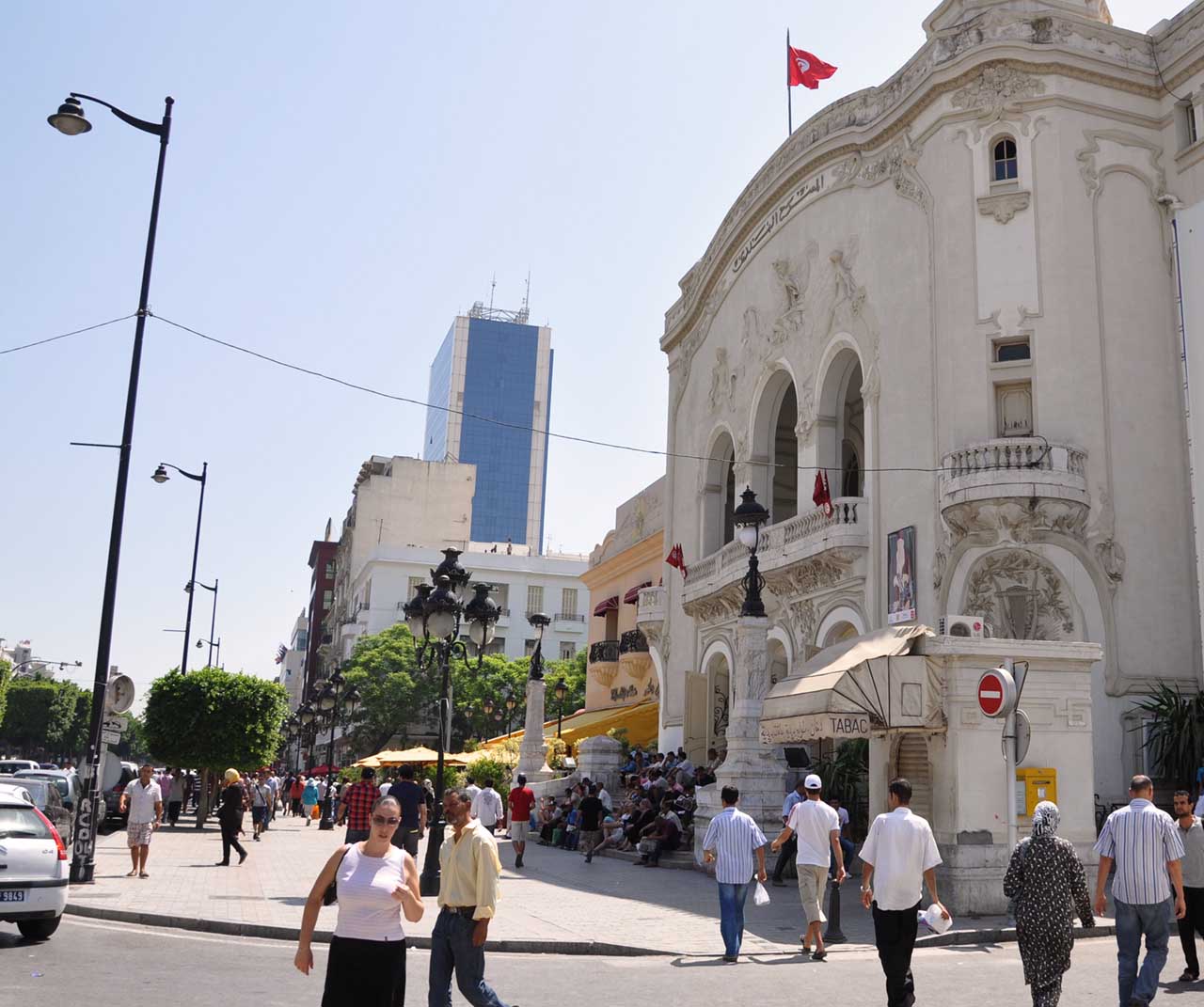
This area combines many of the capital’s best-known historic sights with countless snack shops, cafés, and casual eateries, making it easy to sample local favorites as you explore.
Keep an eye out for classics such as brik, fricassé, kafteji, lablabi, casse-croûte tounsi, and freshly made sandwiches.
The Medina, a UNESCO World Heritage Site, is one of Tunis’s greatest attractions in its own right, so stopping for street food fits naturally into a day of exploring its historic lanes, markets, and traditional architecture.
This guided walk through the Medina combines the old city’s historic lanes with two tastings of traditional Tunisian street food.
La Goulette
If you’re visiting Carthage or exploring Tunis’s northern suburbs, La Goulette is an ideal place to stop for lunch.
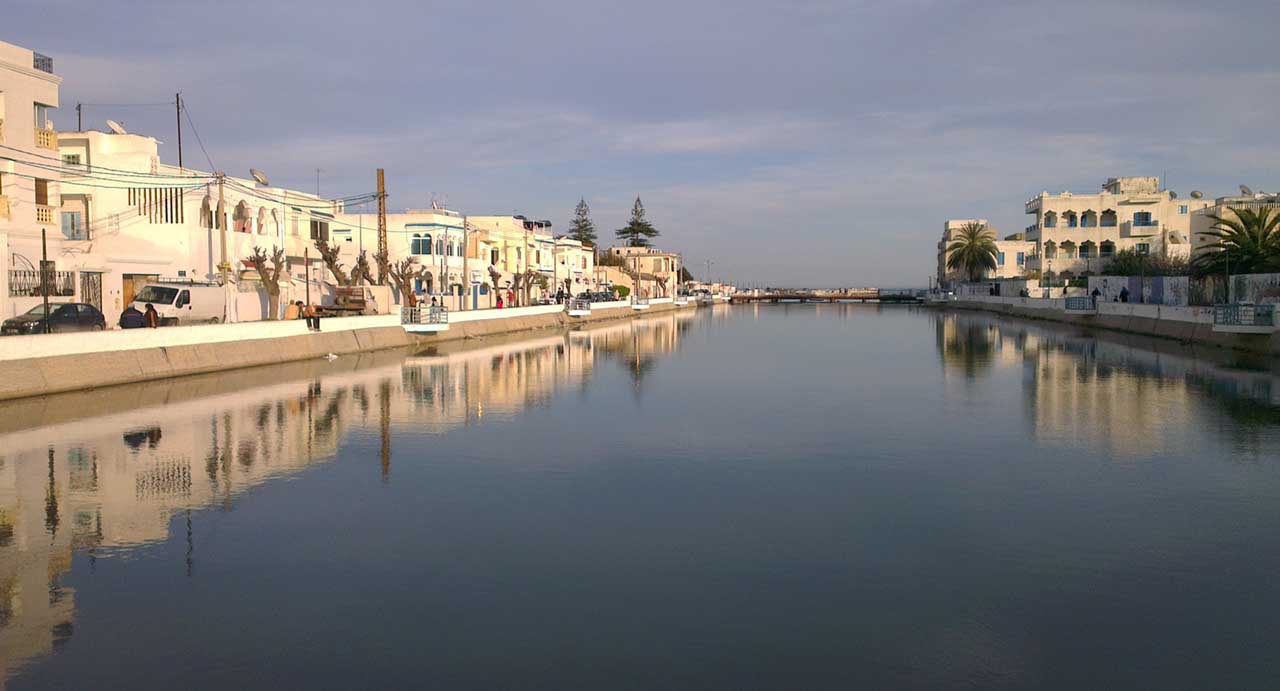
This historic port and seaside neighborhood is well known for its seafood restaurants and relaxed waterfront atmosphere, making it a natural break between sightseeing and the beach.
Brik is one of the local specialities to look out for. The well-known Chez Mohsen: Le Roi du Brik is often recommended, but there’s no need to seek out a single address. La Goulette is lined with eateries, so it’s easy to find a busy local restaurant serving freshly prepared brik and other Tunisian favorites.
Sidi Bou Said
Sidi Bou Said is the place to satisfy your sweet tooth. After exploring the village’s whitewashed buildings, blue doors, and Mediterranean views, many visitors stop for a freshly made bambalouni, the famous sugar-coated doughnut.
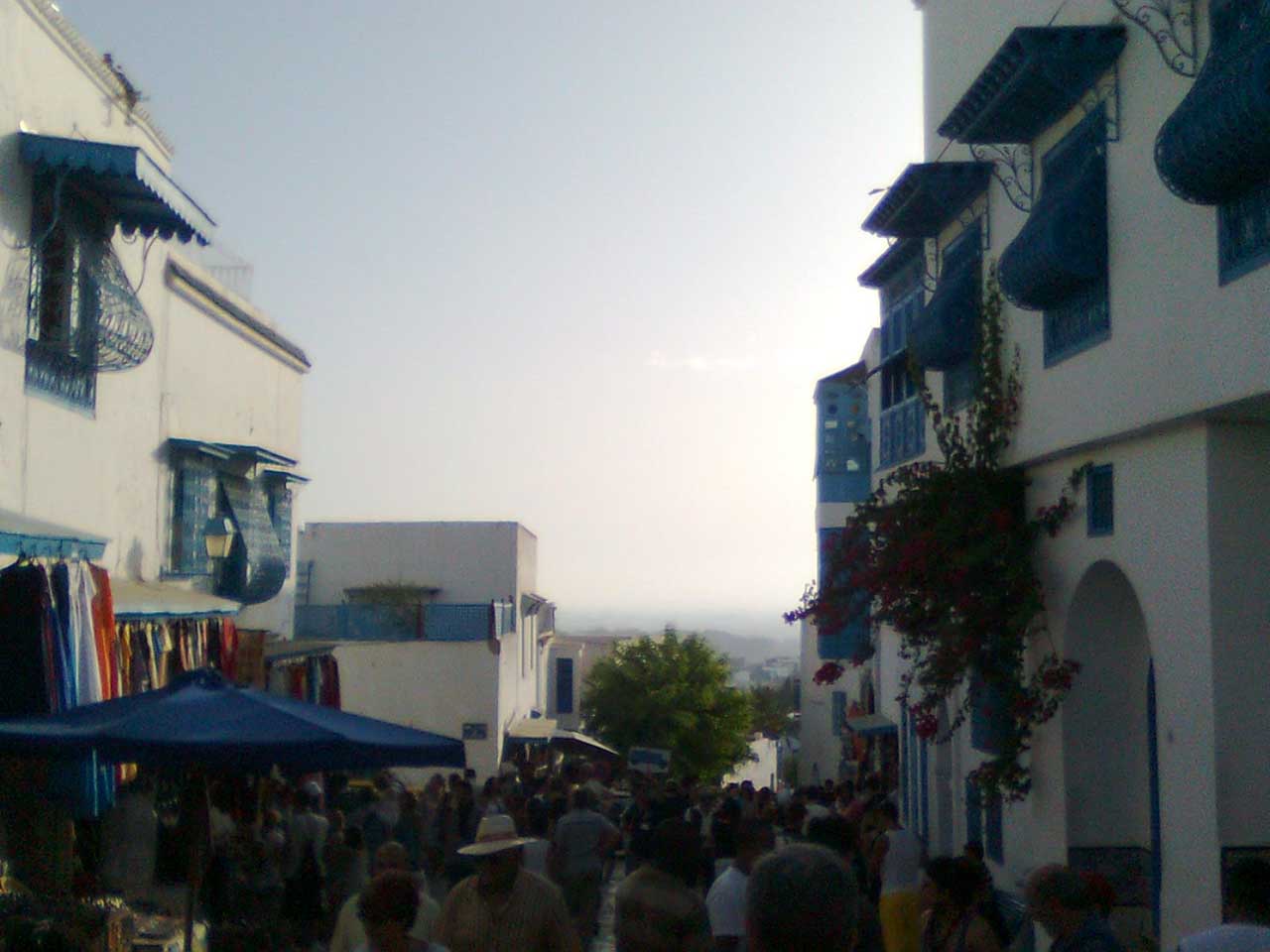
If you want the classic Sidi Bou Said experience, pair your warm bambalouni with a glass of traditional mint tea topped with pine nuts at one of the village’s cafés. It’s a simple combination that perfectly rounds off a day spent exploring Carthage and the Tunis coastline.
La Marsa / Carthage coast
You’ll find a more relaxed introduction to Tunisian street food if you’re staying in La Marsa or along the Carthage coast.

This upscale part of the capital is known for its cafés, modern snack shops, and casual eateries, offering many of the same local favorites in a quieter setting than the bustling Medina.
How to order without overthinking it
Rather than trying to sample everything on offer, start with a single dish and see what you enjoy before ordering more. Here are reliable first choices:
| What to say | What you receive |
|---|---|
| Brik au thon | A classic tuna brik |
| Lablabi avec œuf | A bowl of lablabi with egg |
| Fricassé normal | A traditional filled fried sandwich |
| Mlewi escalope | Mlewi filled with chicken escalope |
| Chapati thon | Chapati filled with tuna |
Remember to ask for less harissa or request it on the side if you don’t like your food too spicy. And ask the person behind the counter what’s fresh or most popular that day to help seal your choice.
When to eat what
If you are planning a day around Tunis, Carthage, and Sidi Bou Said, here’s a guide to choosing the right street food at the right time.
Start the morning with something light, such as a fricassé, a simple sandwich, or a coffee. If you’re heading to Sidi Bou Said, a warm bambalouni makes an excellent mid-morning or afternoon sweet treat.
Around lunchtime, look for heartier dishes such as kafteji, chapati, mlewi, makloub, or a traditional casse-croûte tounsi.
On cooler days, few meals are more comforting than a steaming bowl of lablabi, rich with chickpeas, bread, olive oil, and spices.
As evening approaches, brik and freshly made sandwiches are ideal for a relaxed dinner or snack, especially if you’re stopping in La Goulette for seafood or ending the day with a leisurely meal in La Marsa after exploring the coast.
| Time | Good choices | Best for |
|---|---|---|
| Morning | Fricassé, simple sandwich, coffee | A quick start |
| Mid-morning or afternoon | Bambalouni | A sweet snack |
| Cooler days | Lablabi | A hot, comforting bowl |
| Lunch | Kafteji, chapati, mlewi, makloub, casse-croûte tounsi | A filling meal |
| Evening | Brik, fresh sandwiches | A light dinner or late snack |
What to avoid and what to watch for
Here are a few tips to help make your street food experience smoother.
Don’t assume a dish will be mild unless you specifically ask for less harissa or request it on the side. Chili is a staple of Tunisian cooking, and many meals are prepared with it by default.
Street Food Tip:
Tunisian street food can be hotter than expected, so ask for less harissa or request it on the side before your food is prepared.
When choosing where to eat, look for busy snack shops and cafés with a steady stream of local customers. High turnover usually means the food is freshly prepared.
Always carry a small amount of cash, as not every neighborhood snack shop accepts card payments.
The Medina is one of the best places to discover local food, but don’t expect every street to be lined with food stalls. Some of the best meals come from tiny counters and unassuming snack shops that are easy to miss unless you take the time to look.
Local Tip:
Busy counters with steady turnover are usually the safest choice, and some of the best food comes from ordinary-looking neighborhood snack shops.
Conclusion
There’s no single “must-visit” street-food restaurant in Tunis. The best way to experience the city’s food culture is to follow the neighborhoods, stopping at busy snack shops, cafés, and local counters as you explore.
If you want the most authentic local bowl, order lablabi. For the easiest first bite, choose a fricassé. If you’re craving something crisp and freshly fried, go for a brik.
For a satisfying lunch, you can’t go wrong with a chapati, mlewi, makloub, or a plate of kafteji. And if your day ends in Sidi Bou Said, treat yourself to a warm bambalouni before heading home.
Planning to stay in Tunis while exploring the city’s street food? Use the hotel search below to compare places near the Medina, La Marsa, Carthage, and Sidi Bou Said.

- Eat Local in Tunis: A Guide to the City’s Best Street Food - August 4, 2026
- Where to Stay in Mahdia in 2026: Best Hotels, Beach Resorts and Old Town Stays - June 27, 2026
- Ksar Ghilane 2026 Travel Guide: What to Do, Where to Stay, and Whether to Overnight - May 13, 2026
- Kelibia 2026 Travel Guide: Best Beaches, Fort Views, and a Simple 2-Day Plan - January 31, 2026
- El Jem Amphitheater 2026 Guide: Tickets, Hours, What to See, and How Long to Spend - January 13, 2026
- Where to Stay in Tunis in 2026: Best Hotels in Lac, Gammarth, Central Tunis and Sidi Bou Said - January 6, 2026
- Three Classic Tunisian Desserts You Must Try On Your Next Trip - December 9, 2025
- Eat Like a Local: 5 Essential Tunisian Dishes to Try - September 6, 2025
- Looking for Adventure in Tunisia? Here Are Some of the Best Outdoor Activities - July 1, 2023
- The National Bardo Museum – What You Need to Know - April 3, 2023