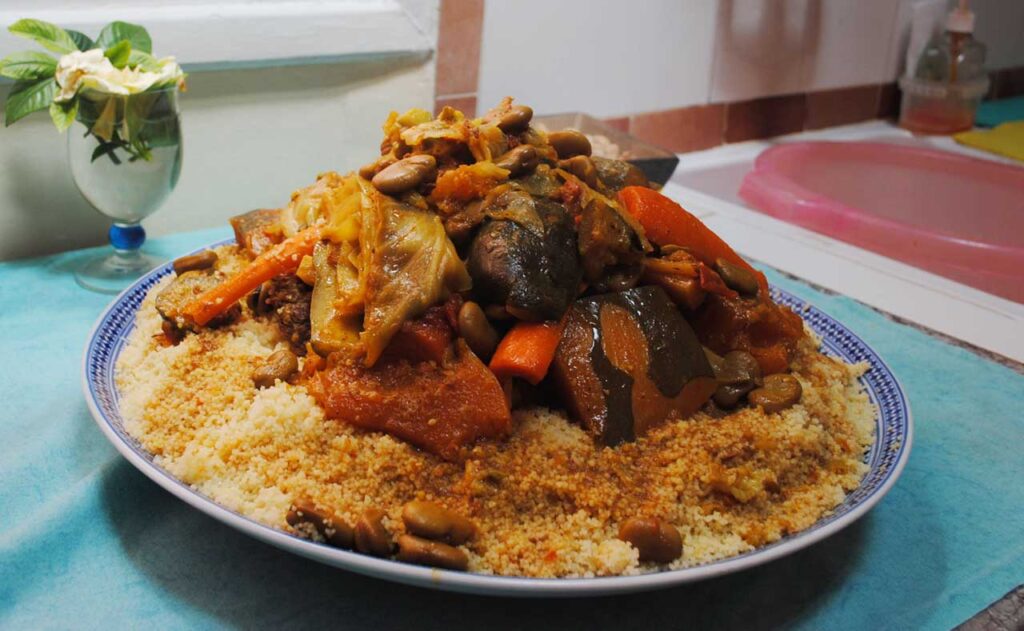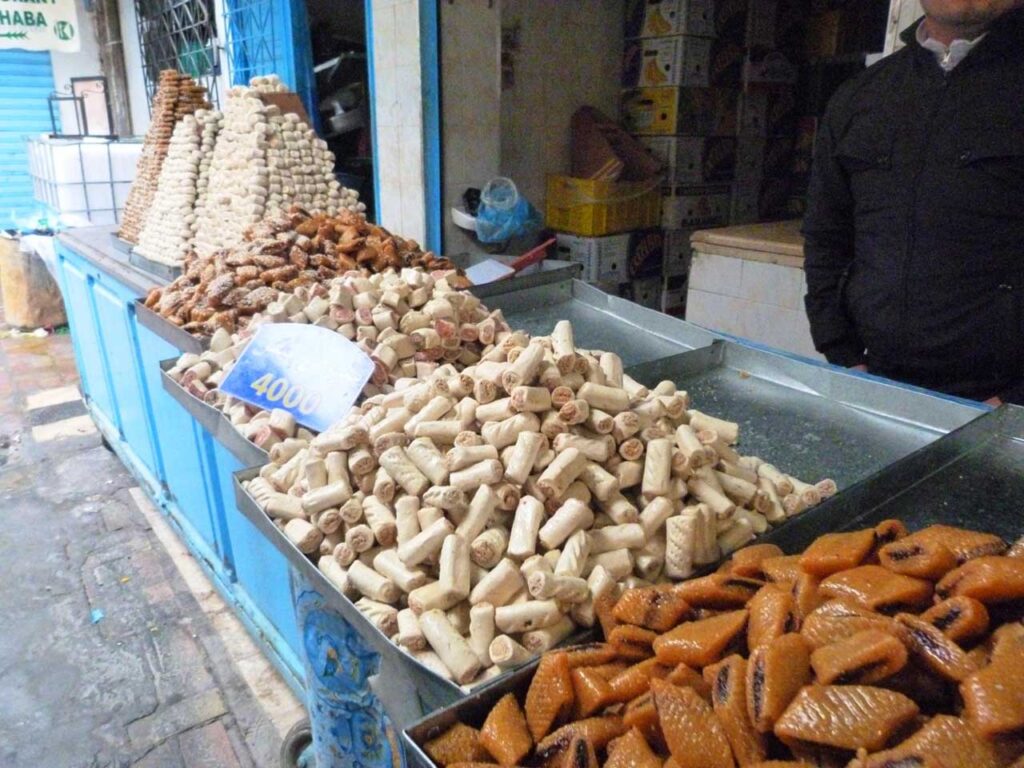
Tunisians make delicious puddings on special occasions every year. There are three you should try.
These three desserts cover Tunisia’s sweetest trio of tradition, heritage and street comfort.
Buy Smart As A Tourist
- Go where locals queue high turnover usually means fresher sweets.
- Ask what’s made today especially for Maqroud drenched in warm honey.
- Skip pre-packed Bambalouni it’s best minutes after frying.
- Choose reputable zgougou sellers if buying paste or ready bowls.
Assidat Zgougou
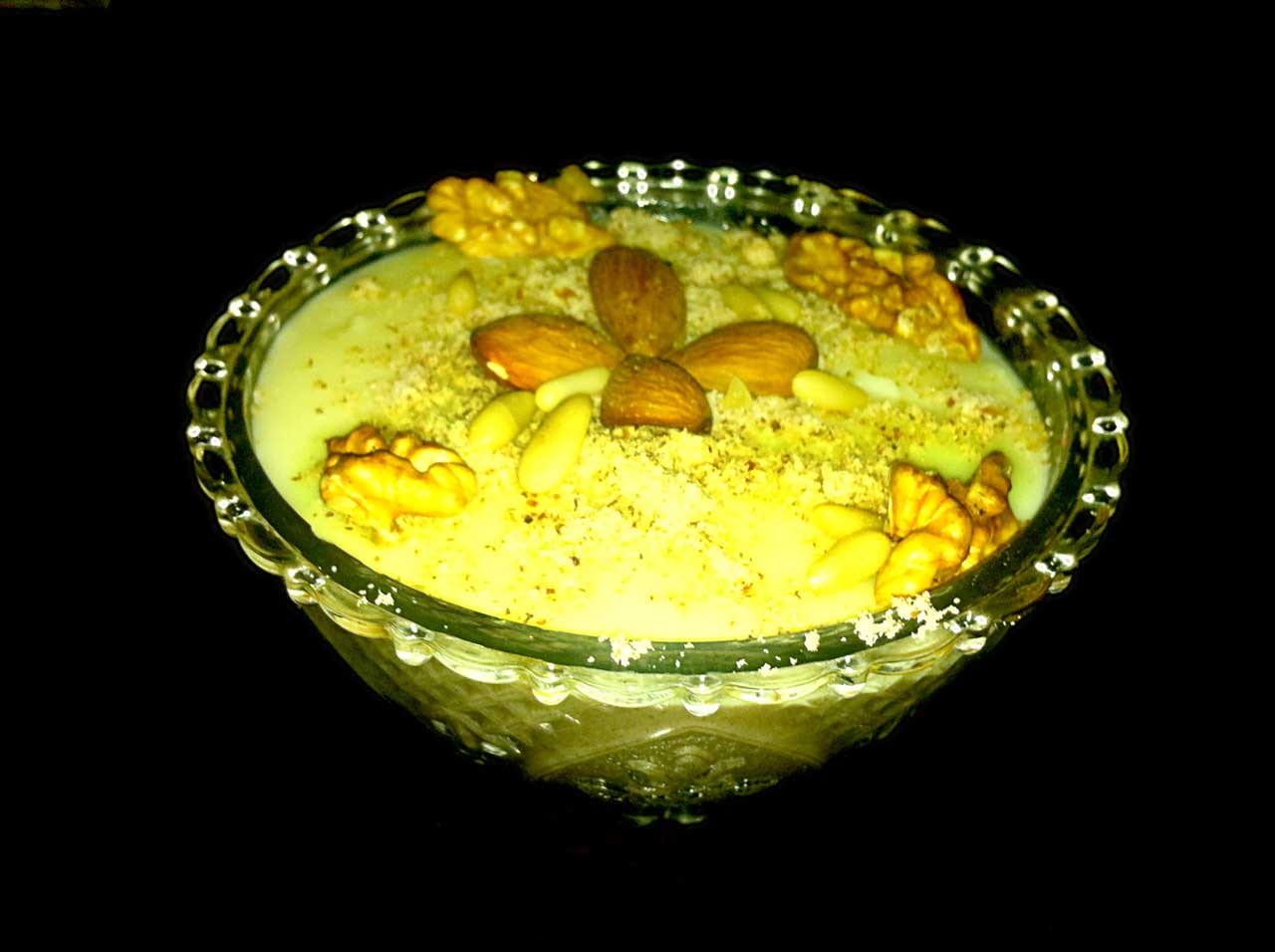
Traditionally served on Prophet Muhammad’s (phuh) birthday (El Mouled), the delicious Assidat Zgougou is made from Aleppo pine grains. Made in layers, the first tier is a thick layer of the pine pudding, followed by a thin layer of regular vanilla custard. Ground nuts, whole nuts, and small pieces of candy are sprinkled on top for extra texture and decoration.
To stay in keeping with traditions, Zgougou grains are bought from spice & nut shops around Tunisia. The grains are filtered using your fingers as you remove any small stones and bad grains. Wash what’s left, then let it air dry. Grains should be toasted in the oven until they become a bit dark, but be careful. The grains burn easily.
Cool the grains when they come out of the oven, then grind them. Some people take the toasted grains to the bakery or mill shops, but others prefer to grind them using a meat grinder. The result is a paste: not a thin, smooth paste like other nut butters, but a bulky, grainy one.
The alternative method is to skip all the hard labor and buy the paste ready. It’s generally available from spice & nut shops around Tunisia. Unfortunately, with ready-made paste, you won’t know the quality of the grains until you eat them. Choose a reputable brand like Ben Yaghlen for the best results.
Tunisians in every household follow the tradition of exchanging their sweet bowls with friends and family, and most times, there’s a hotly contested tasting session to decide who made the best Assida. There’s no award for the winner, but they do get bragging rights.
Assidat Zgougou
- Texture creamy and nutty with a slightly smoky pine depth and a crunchy nut topping.
- When El Mouled and family gatherings in the season around it.
- Where trusted pastry shops and spice and nut sellers offering fresh zgougou paste.
Makroudh of Kairouan
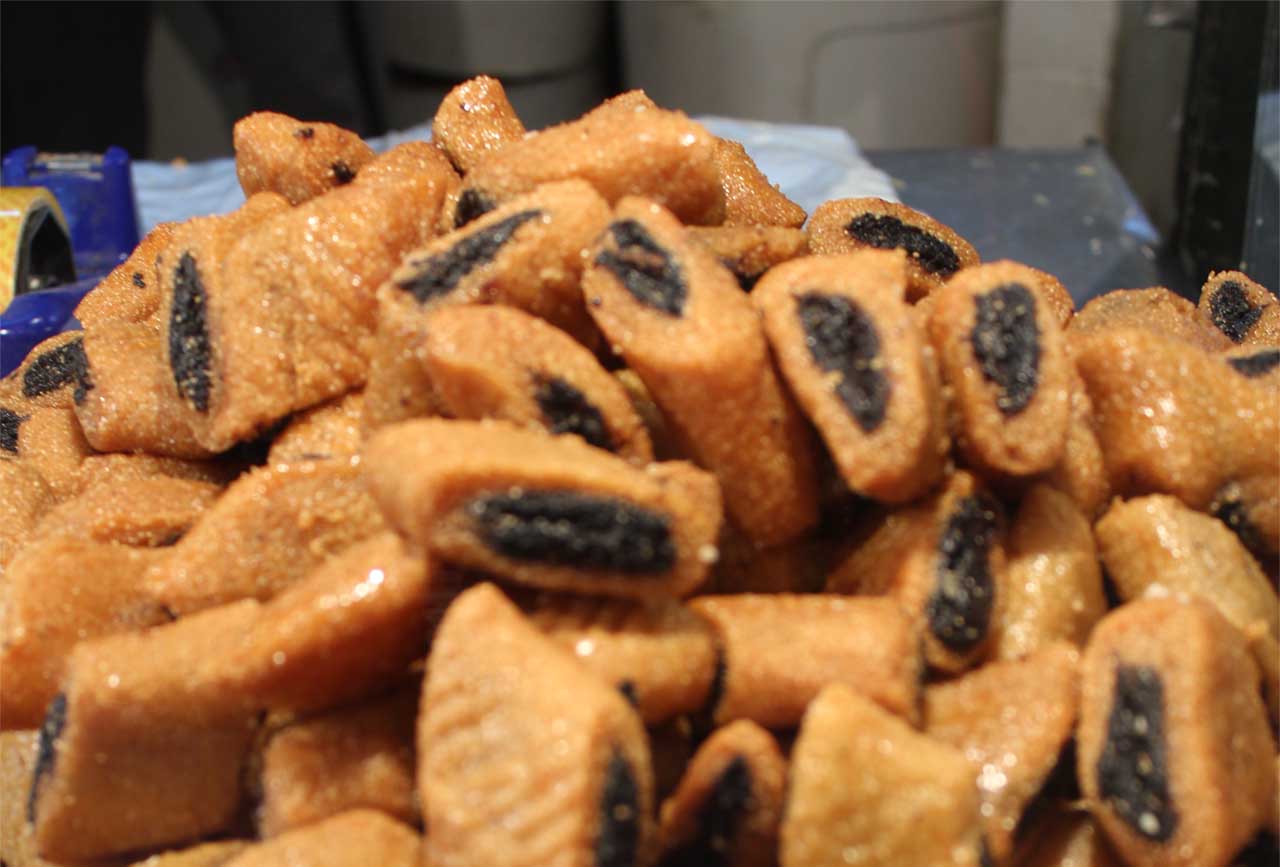
A celebrated sweet pastry originating in the historic city of Kairouan, a cultural and religious center, Maqroud al-Qayrawan traces its history to the convergence of Arab, Berber, and Mediterranean influences that have shaped Tunisia’s gastronomy. Kairouan became a hub for culinary development, where simple ingredients like semolina and dates were elevated into celebrated sweets.
Preparing Makroudh is an art refined over centuries, with recipes passed down through generations that reflect the resourcefulness and artistry of local bakers. This dessert is associated with festive occasions and has cultural significance within Tunisian society.
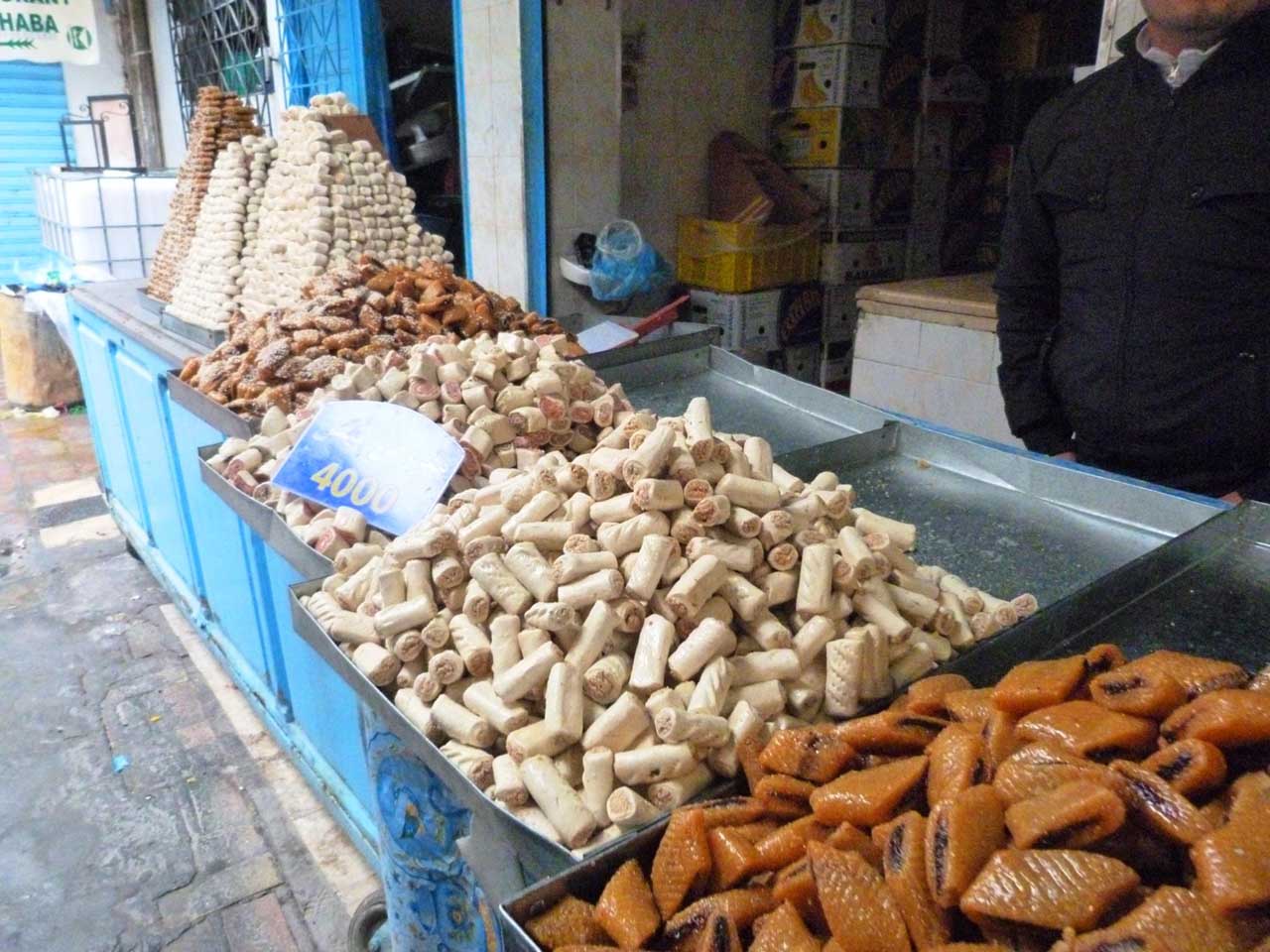
Maqroud al-Qayrawan is characterized by its diamond-shaped pieces made from semolina dough, firm yet pliable, which ensures the pastries hold their shape during cooking, and are filled with dates. The pastry is often enhanced with aromatic spices such as cinnamon and orange blossom water.
The dense, fragrant date filling in the center consists of finely chopped or mashed dates blended with spices and flavorings. The dough is rolled out, filled, and cut into characteristic diamond shapes before being cooked. After frying or baking, the pastries are immersed in warm honey infused with orange blossom water or other regional essences, imparting sweetness and a glossy finish.
The crunchy exterior and the moist filling create an appealing contrast in texture. The dessert is traditionally served with tea or coffee, often shared during celebrations and family gatherings throughout Tunisia.
Ready-made Makroud can often be found in markets, bakeries, and homes in and around Kairouan.
Maqroud Al-Qayrawan
- Texture crisp semolina edges with a dense date center and a glossy honey finish.
- When holidays, weddings, gifting days, and weekend tea tables.
- Where Kairouan bakeries and markets known for fresh honey-soaked batches.
Bambalouni
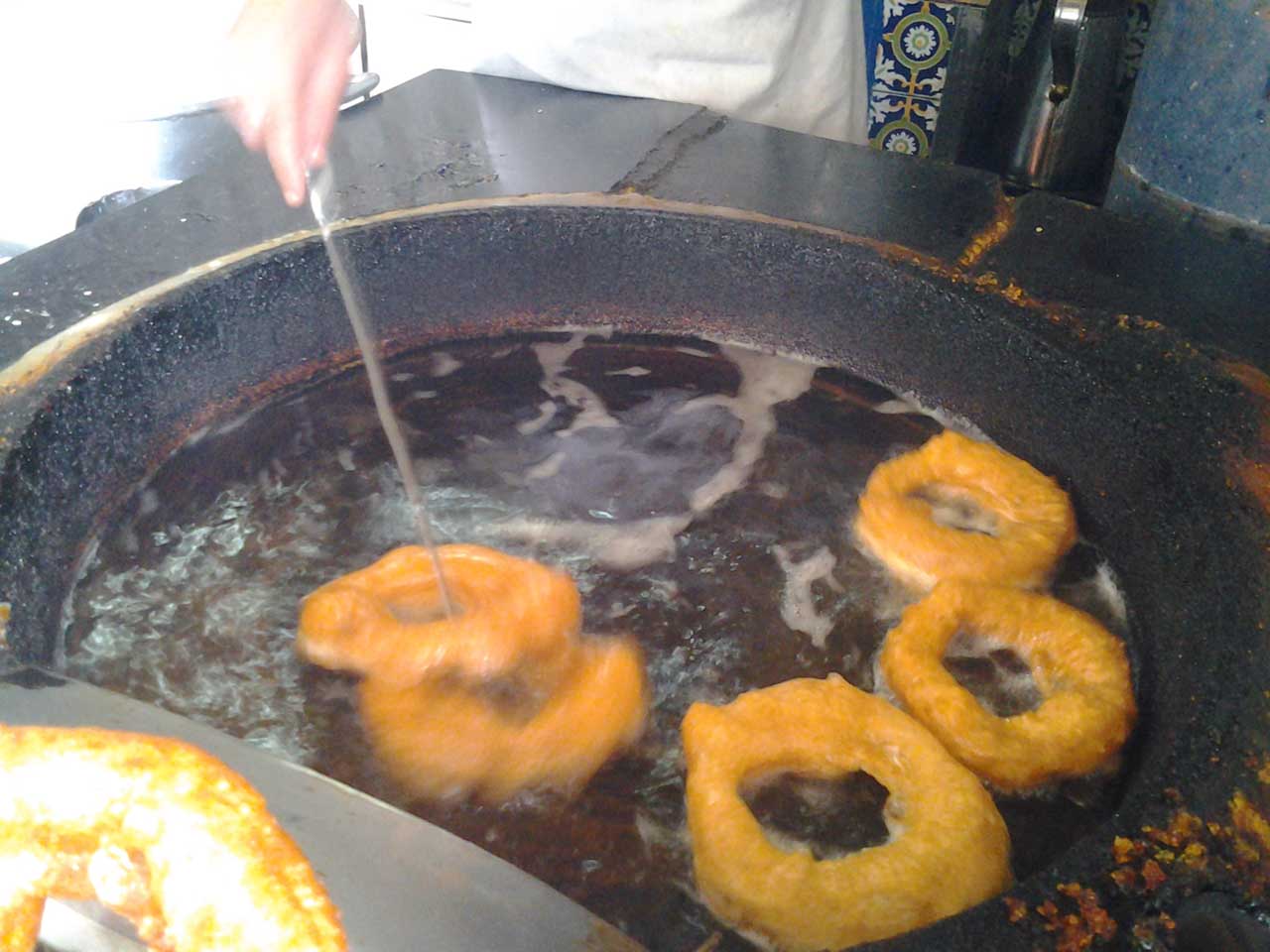
The traditional Tunisian doughnuts known as Bambalouni are very popular in the village of Sidi Bou Said. A dough made with flour, hot water, yeast, and salt is fried in hot oil until golden brown. Sugar is then sprinkled on top of the doughnuts.
Bambalouni is best served with coffee, either for breakfast or as a snack to be enjoyed at the end of the day.
Bambalouni
- Texture airy and chewy inside with a lightly crisp surface and a sugar finish.
- When mornings, late afternoons, and seaside stroll snack stops.
- Where fresh-fry stalls in Sidi Bou Said and busy coastal spots.

- El Jem Amphitheater 2026 Guide: Tickets, Hours, What to See, and How Long to Spend - January 13, 2026
- Where to Stay in Tunis in 2026: Best Hotels in Lac, Gammarth, Central Tunis and Sidi Bou Said - January 6, 2026
- Three Classic Tunisian Desserts You Must Try On Your Next Trip - December 9, 2025
- Eat Like a Local: 5 Essential Tunisian Dishes to Try - September 6, 2025
- Looking for Adventure in Tunisia? Here Are Some of the Best Outdoor Activities - July 1, 2023
- The National Bardo Museum – What You Need to Know - April 3, 2023
- Tee Off in the Top 7 Tunisia Golf Courses - February 19, 2023
- All About Tunisian Olive Oil - September 9, 2022
- El Haouaria: The Complete Guide - January 29, 2019
- Tunisia: A Destination You Don’t Need to Fly to from London - October 27, 2018