Mahdia, the low-key Tunisian peninsula town that retains many of its historical charms, draws the eye with reminders of its illustrious past, especially in the compact old quarter, or Medina.
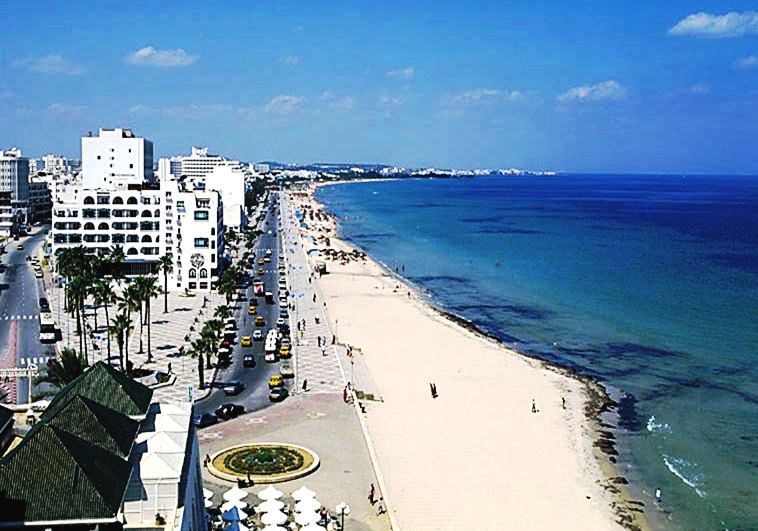
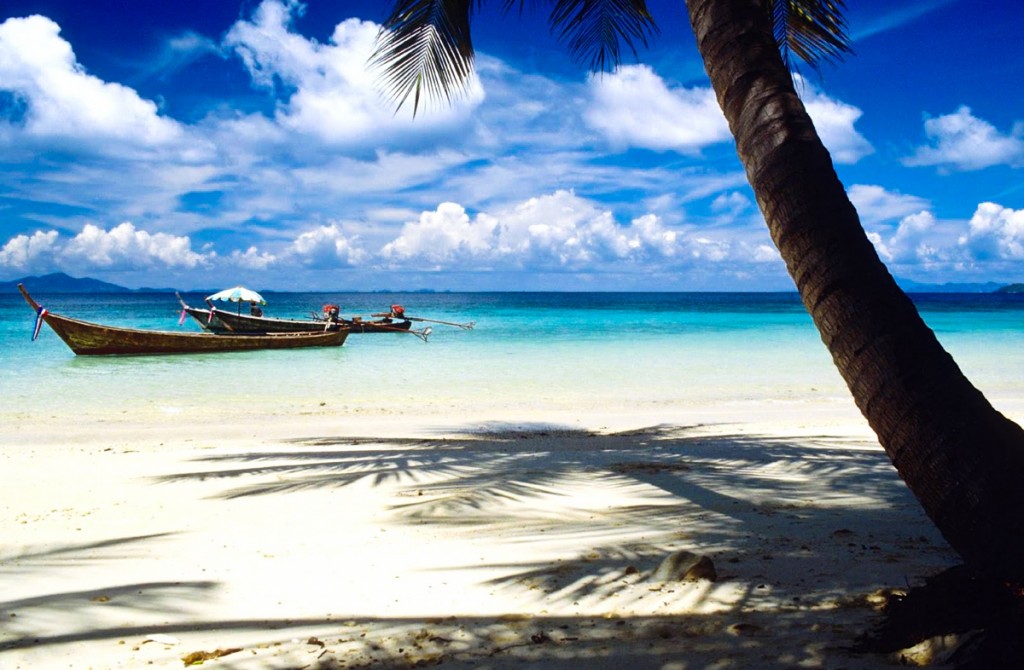
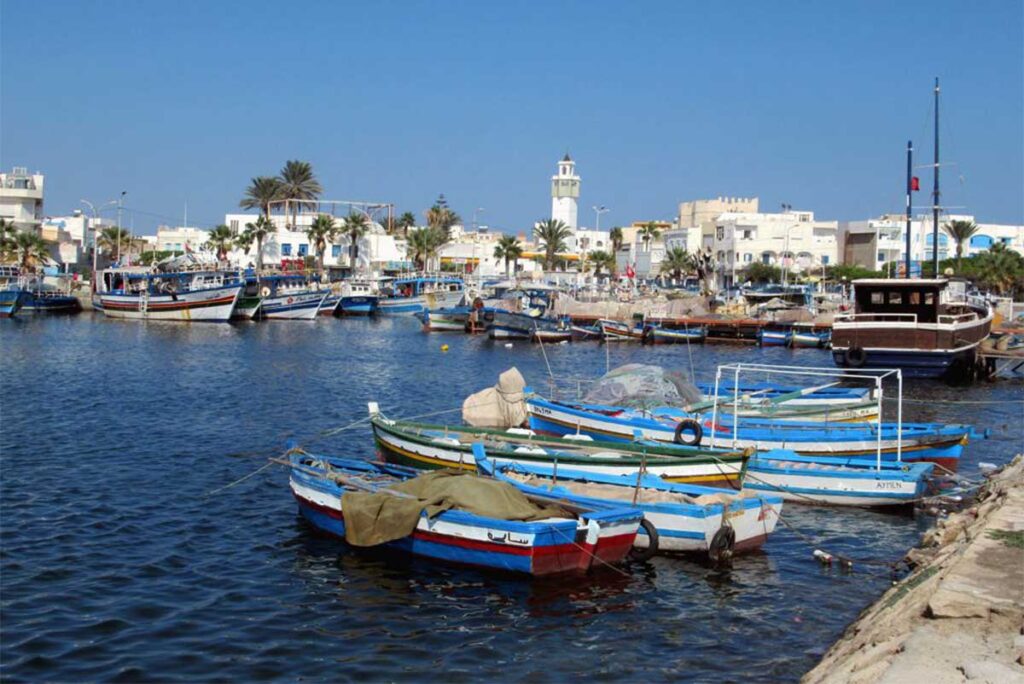
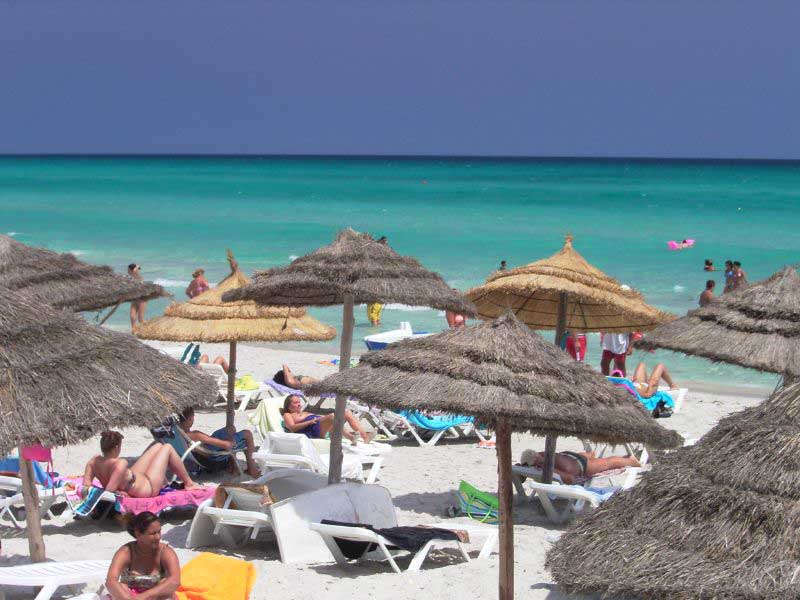
It’s a working fishing port, but boasts some of Tunisia’s best sand beaches along an azure coast – perfect for travellers seeking calm, not chaos.
Last updated: December 2025 (for 2026 planning)
Table of contents
- Mahdia in 2 Minutes: What It’s Like and Who It’s Best for
- The Old Town Walk: Skifa el Kahla, Medina Lanes, Port, Cemetery Views
- The 3 Must-See Sights
- Beaches and Water Time: What to do if You Are Not The “Museum Type”
- Where to Base Yourself in Mahdia (2 clear options)
- Easy Half-Day and Day Trips
- Practical 2026: Getting in, Getting Around, and How Long to Stay
- What to Eat in Mahdia
Mahdia in 2 Minutes: What It’s Like and Who It’s Best for
With a unique historical patina that includes authentic cultural exploration, rich history, and relaxing beach holidays, Mahdia is less crowded and less commercialized than other Tunisian resorts. The coastal town’s peaceful atmosphere makes it ideal as a quiet, laid-back base.
| Best for | Couples and families who want a relaxing holiday with beach time and historical charm, plus Roman and Islamic history enthusiasts. |
| Vibe | Less crowded and less commercialized than other Tunisian resorts - peaceful, quiet, laid-back base. |
| Layout | A small rocky peninsula on Tunisia's central coast - the historic Medina sits on the peninsula, with newer developments nearby. |
| Top sights | Skifa Kahla, Great Mosque, Borj el Kebir fortress, Mahdia Museum. |
| Beach notes | Fine golden sandy beaches, gently sloping into the sea - good for swimming, relaxing, and water sports. |
| Food to focus on | Fresh seafood - often served with local olive oil and spices. |
| Nightlife | Quiet in the evenings - teenagers or travelers looking for a vibrant nightlife could be disappointed. |
Mahdia perches on a small rocky peninsula jutting into the Mediterranean Sea on Tunisia’s central coast, offering panoramic views of the sea. On the peninsula, the historic Medina creates a walled old city with a fortress (Borj el Kebir) and traditional souks, diverging from newer developments nearby.

The Medina, the historic heart of Mahdia, is a maze of narrow, enchanting streets showcasing preserved traditional architecture. Extending from the heart are:
- The Skifa el Kahla (the historic entrance), the Great Mosque, and the imposing Borj el Kebir fortress are all rich in history.
- Fishing activities, authentic Tunisian culture, and other daily activities as locals go about their business.
- Beaches: Fine golden sandy beaches, gently sloping into the sea.
- Azure ocean water, famous for its clarity and turquoise shade, is a good place to swim, relax, or engage in water sports like snorkeling.
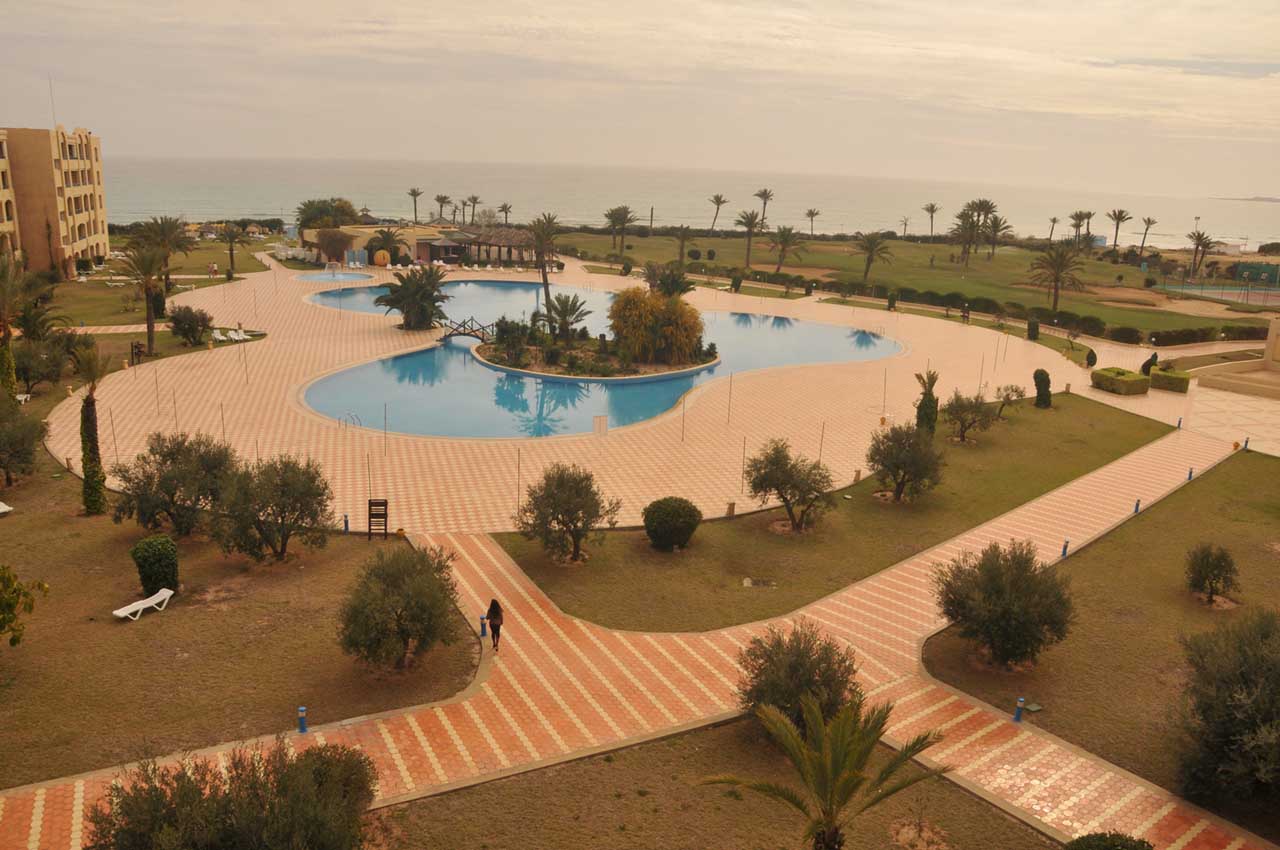
- Resorts line the beaches, offering dedicated, clean stretches. Public areas also provide access, but quality can vary.
- As a major fishing port, Mahdia offers excellent fresh seafood, often served with local olive oil and spices.
Mahdia is an excellent destination for:
- Couples and families who want a relaxing holiday that offers beach time and historical charm.
- Roman and Islamic history enthusiasts
- Anyone wanting to immerse themselves in authentic Tunisian coastal life in a less touristy environment.
- Spa lovers, many resorts offer extensive spa facilities.
- Teenagers or travelers looking for a vibrant nightlife could be disappointed – the city is quiet in the evenings.
The Old Town Walk: Skifa el Kahla, Medina Lanes, Port, Cemetery Views
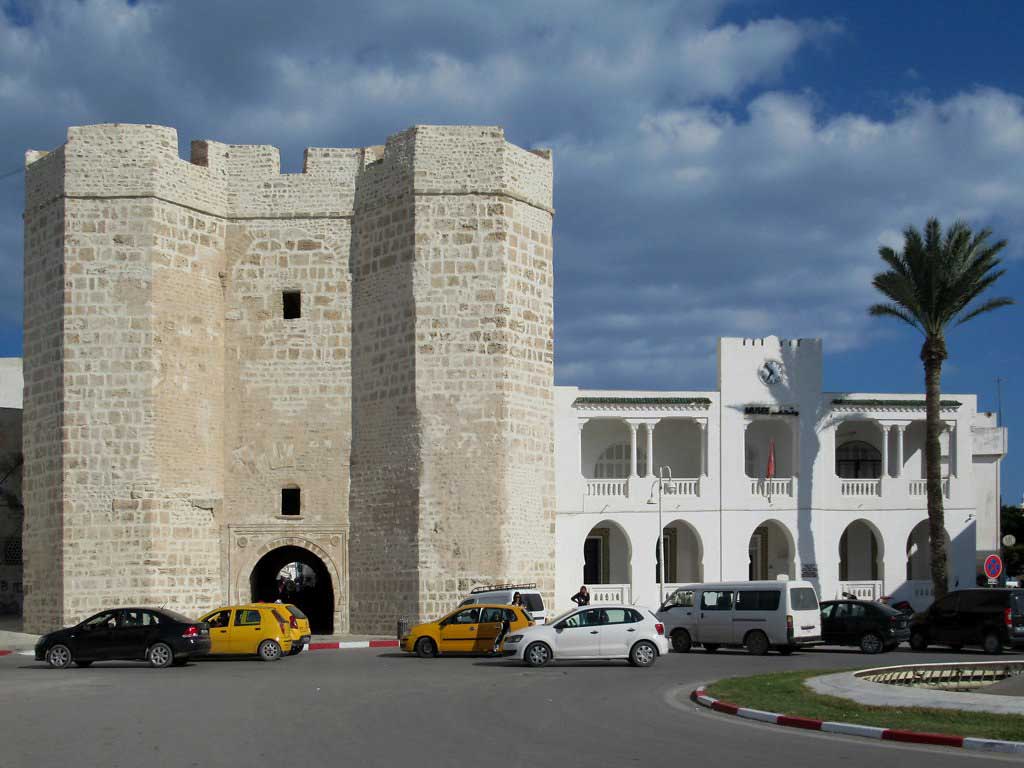
Mahdia’s unique traditions whisper from the moment you enter through its gates, the Skifa el Kahla, where houses are draped in embroidered tapestries, and women wear gold jewelry.
As the first capital of the great Fatimid dynasty, which would later rule Egypt and Syria, Mahdia itself is a tapestry of history.
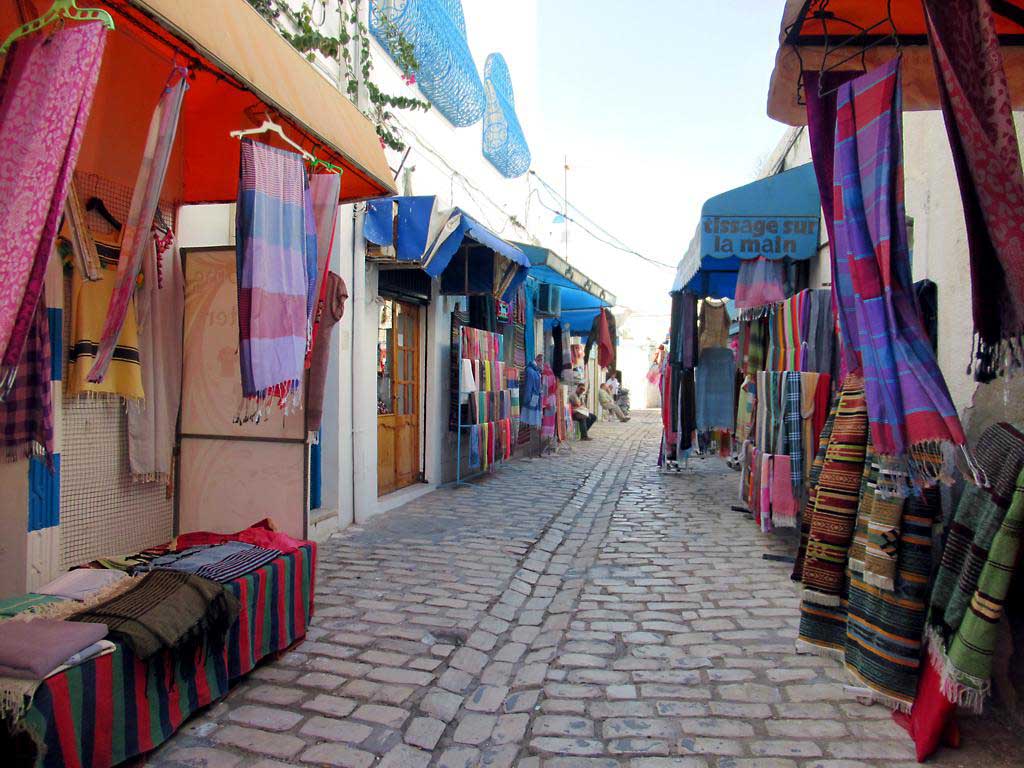
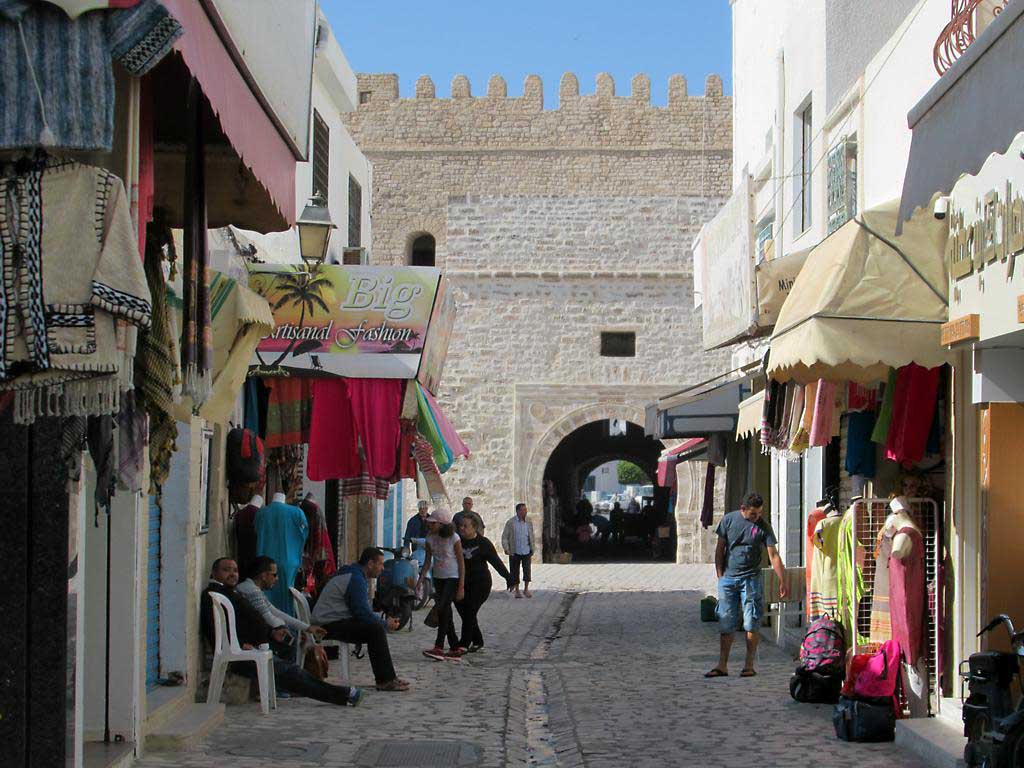
Along a narrow peninsula, surrounded by deep blue waters, as you pass through Skifa el Kahla into the medina lanes, the narrow, cobbled streets with whitewashed houses fascinate visitors with iconic green doors framed with carved stone.
Despite being a traditional neighborhood, the Medina is dotted with local shops, cafes, and a covered market (souk) for locals and visitors. Rest under a fig tree while you’re looking for the beautiful Grand Mosque and Cairo Square (Place du Caire).
Heading to the Port (Ancien Port Fatimide), you may notice a few fishing boats gliding by when you reach the tip of the peninsula.
This leads you to the ancient Punic and later Fatimid port, a semi-circular harbor cut into the rock that once accommodated dozens of boats. Nowadays, you can amble along the modern, large fishing harbor nearby.
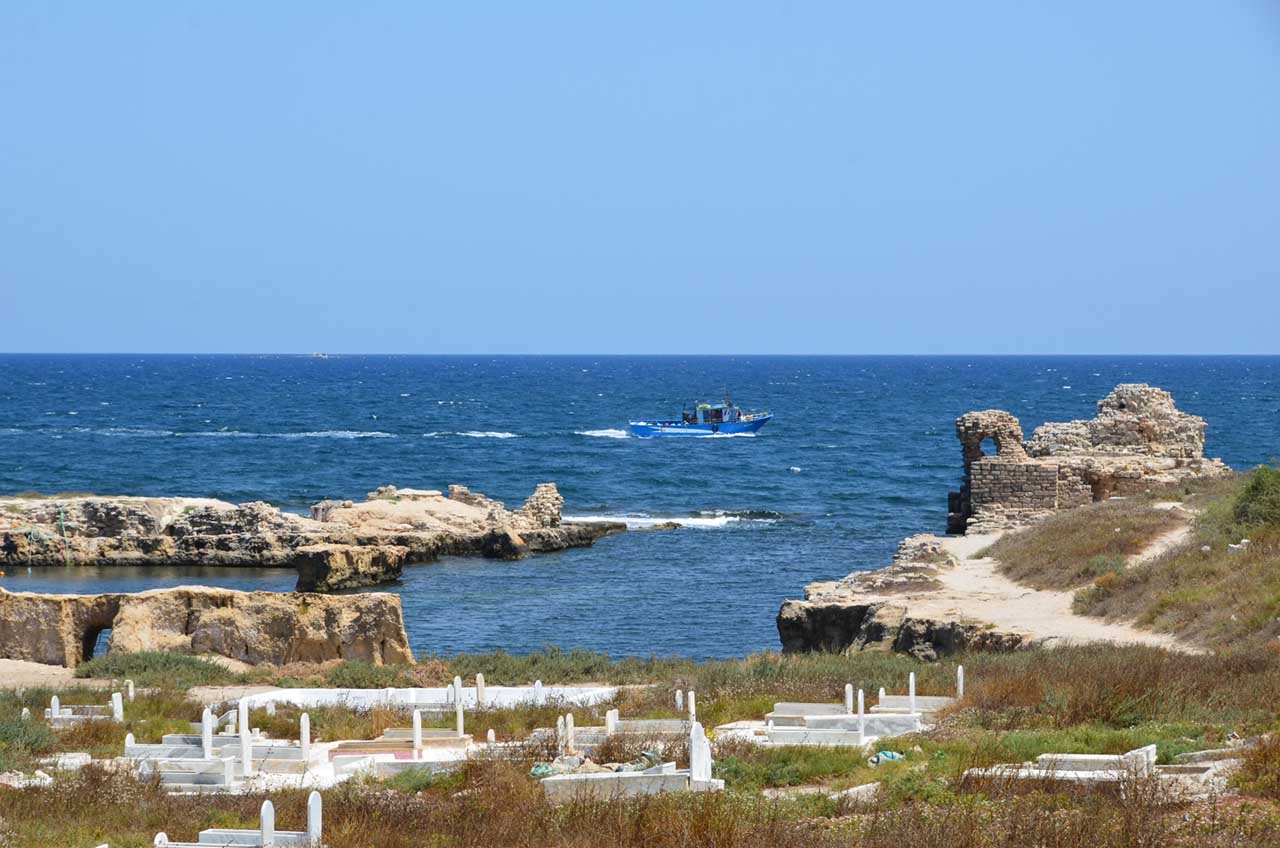
The route ends at the Cemetery Views at Mahdia Marine Cemetery (Cimetière Marin de Mahdia), a short walk from the port area. Simple white tombs slope gently towards the ocean, offering an incredible and unique view.
The 3 Must-See Sights
If you have time for just three things between the beaches and the culture, it’s worth the effort to visit:
Great Mosque (Fatimid)
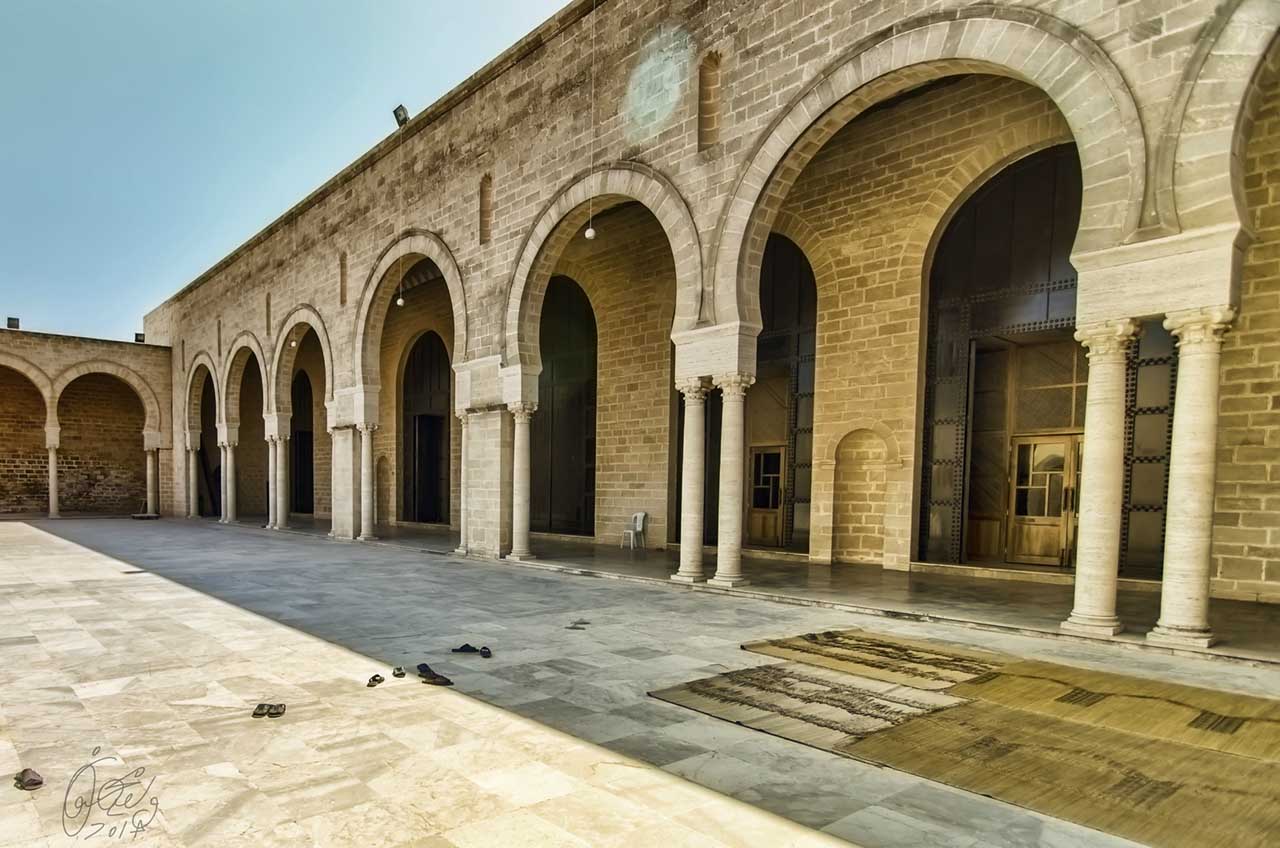
After most of the Fatimid-era city and its structures disappeared, the current Mosque, initially built by the Fatimid Imam in 916 AD, was reconstructed mainly by archaeologists in the 1960s. From the beautiful entrance, through the interior and impressive courtyard, the Mosque should be on every itinerary.
Borj el-Kebir (fort)
A 16th-century Ottoman fortress built on an older Fatimid site, the fort’s imposing military architecture contrasts with stunning panoramic views over the city and sea from its ramparts. It offers visitors a glimpse into the region’s past.
Mahdia Museum
A small museum located next to Skifa el Kahla, easy to find, spans two floors and features various artefacts, mosaics, coins, statues & other interesting items.
Beaches and Water Time: What to do if You Are Not The “Museum Type”
Museum time not your thing? No matter, there’s still plenty to do in Mahdia, like:
- Beachtime and sunbathing: Beach Clubs offer places with sunbeds, umbrellas, and food/drink service to really relax.
- Water activities such as scuba diving and water sports (jet skiing, parasailing, paddleboarding, kayaking) are available from the main beaches.
- Take a camel ride on the beach.
- Take a traditional felucca or a modern boat trip for fishing, snorkeling, or exploring nearby coastal spots, such as the Chebba islands.
- Treat yourself to some thalassotherapy – a holistic therapy using seawater, marine mud, algae, and the sea climate at one of the many resorts.
- Taste local cuisine, especially the fresh fish and Tunisian specialties at beachfront restaurants or local eateries.
- Step into a weaver’s workshop in the Medina, and haggle for a bargain in the Souks.
Where to Base Yourself in Mahdia (2 clear options)
- Option A: Stay in/near the Medina, the heart of Mahdia, for atmosphere. Being near the city centre gives easy access to the many attractions in Medina. Still, it allows you to feel immersed in the history and culture of the coastal town.
- Option B: stay in the beachfront hotel zone for pure beach + facilities. With in-house catering, spas, and activities, Mahdia’s resorts offer a one-stop beach holiday.
Easy Half-Day and Day Trips
Mahdia, El Jem, and Monastir are all historical destinations in Tunisia’s Sahel region. They are often visited together for their unique blend of Roman ruins, Islamic heritage, and Mediterranean charm.
From Mahdia, take a short trip to:
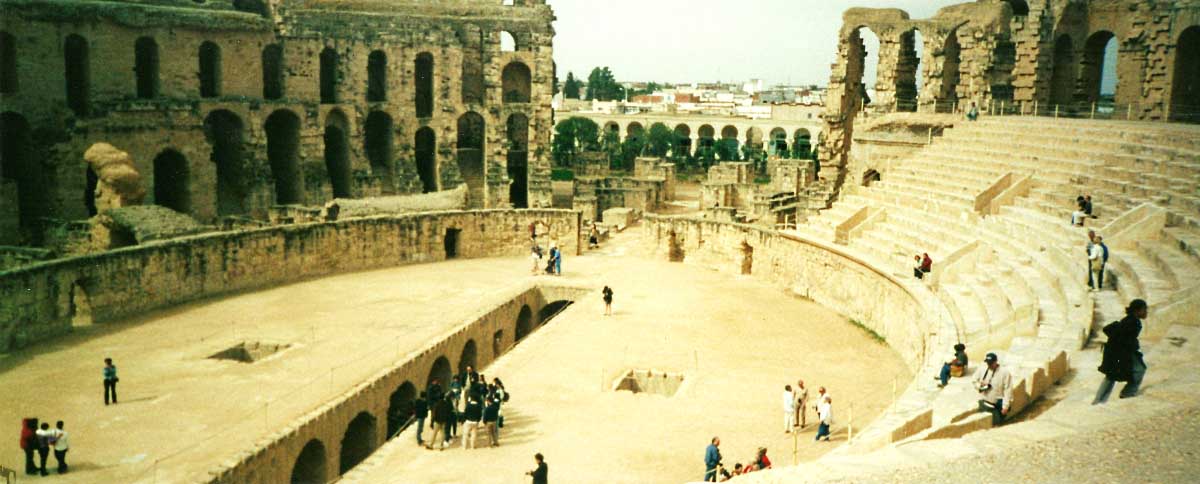
El Jem: Showcasing ancient history in the massive Roman Amphitheater, a UNESCO site that offers public access to the stands and underground passages.
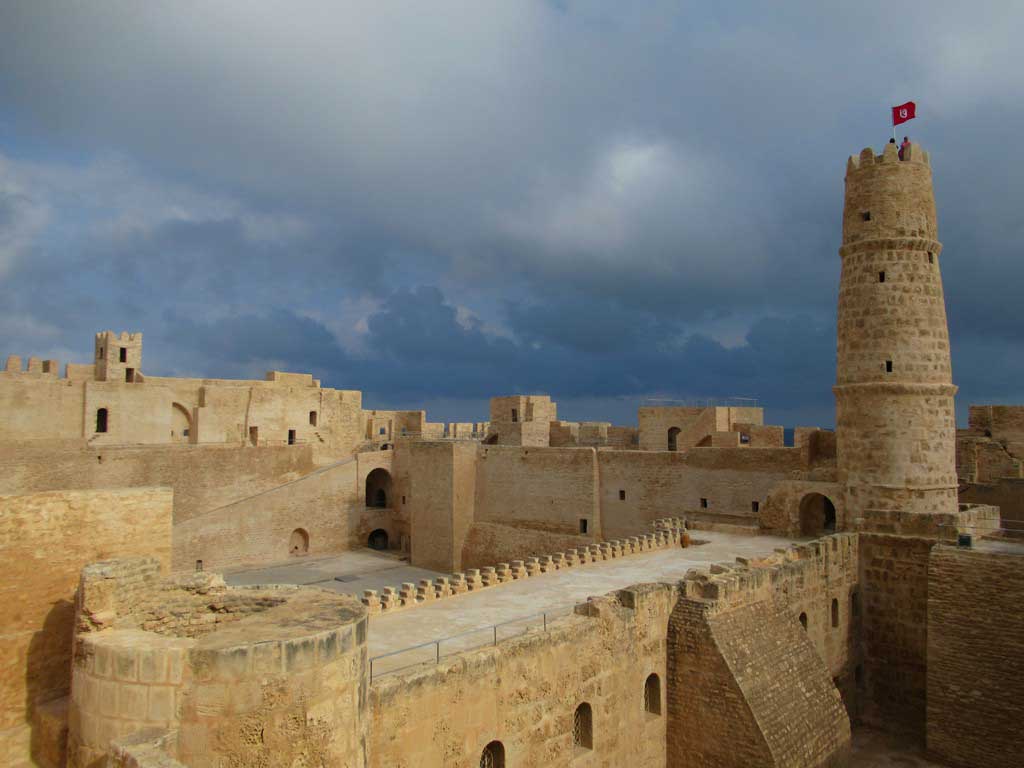
Monastir: Early Islamic fortifications such as the ancient Ribat fortress and the impressive Bourguiba Mosque (for Tunisia’s first president) are easily accessible from Mahdia. Visit the modern marina while you’re in town, too.
The train line, specifically the Sahel Metro (SNCFT), connects coastal towns like Moknine and Lemta to Sousse, offering affordable, efficient, and sustainable public transport, crucial for linking these vibrant markets and resorts to the regional hub, providing a reliable alternative to cars for commuters and tourists.
Moknine, a central inland market town known for its souks (markets) and crafts, is vital for commerce. The train links Moknine’s busy interior with Sousse’s coastal tourism and nearby beaches.
Lemta is a historically significant, charming fishing village and port, offering cultural appeal. The line makes it easy to access Sousse’s larger services and tourism, and it links Lemta’s unique atmosphere to Sousse’s resorts and historical sites. Local commuters and tourists use the line.
Practical 2026: Getting in, Getting Around, and How Long to Stay
Served by Monastir International Airport, 50 km away, Mahdia is accessible by plane, or a regional train line gives easy access to Sousse, passing through the villages of Moknine and Lemta. In Tunisia, including Mahdia, louage (shared taxis with fixed routes) and regular taxis are available to transport tourists.
For a quick trip, 1 night is for transit or seeing one main thing, but 2-3 nights allow deeper exploration. On a 2-3 night stay:
| Day | Plan |
|---|---|
| Day 1 | Arrival, spend the day on the beach, visit local food outlets, and visit at least one main sightseeing spot. |
| Day 2 | Spend the day in the Medina, and from there, walk along the peninsula to enjoy the many historical sites as well as the panoramic view. |
| Day 3 | Explore deeper, revisit favorites, or discover hidden gems. |
What to Eat in Mahdia
As a fishing port, Mahdia has abundant fresh fish. Choose a refreshing octopus salad for a light meal, followed by the delicious specialty dessert, the “brik de Mahdia,” a triangle of puff pastry filled with almonds.
In 2026, Mahdia works because you get to cover rich history and culture, golden beaches along an azure sea, and many enjoyable moments – all within a short space of time over a limited distance. Include these captivating prospects for a diverse day in Mahdia:
- Old Town walk
- Half a day on the beach
- El Jem day trip